
The Earth’s Grand Tapestry: A Journey Through Natural Wonders
The world is a masterpiece painted by time and nature, a vast canvas showcasing breathtaking natural attractions that inspire awe and wonder. From towering mountains to hidden caves, from vibrant coral reefs to sprawling deserts, these wonders offer a glimpse into the raw, untamed beauty of our planet. Embark on a journey with us as we explore some of the most spectacular natural attractions, each a testament to the Earth’s enduring power and artistry.
The Himalayas: Roof of the World
The Himalayas, a colossal mountain range stretching across five countries, are synonymous with grandeur. Home to Mount Everest, the world’s highest peak, these mountains are a symphony of snow-capped summits, deep valleys, and ancient glaciers. The sheer scale of the Himalayas is humbling, a reminder of the Earth’s tectonic forces and the relentless sculpting of time. Trekking through these mountains offers not only stunning vistas but also a profound connection with nature’s raw power.
The Andes: South America’s Spine
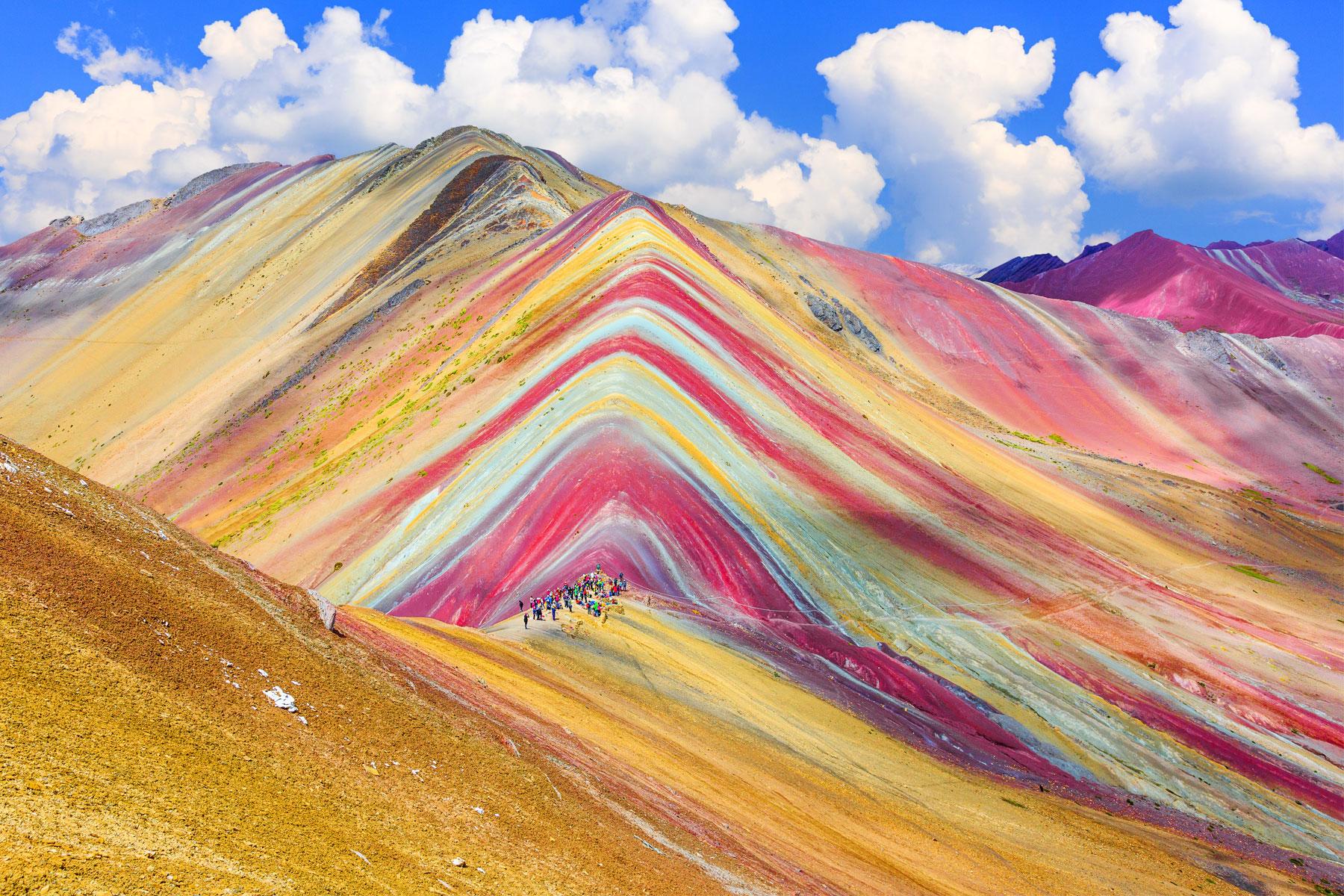
Spanning over 7,000 kilometers, the Andes mountains form the backbone of South America. From the arid Atacama Desert to the lush Amazon rainforest, the Andes encompass a diverse range of ecosystems. The snow-capped peaks of the Andes, like Aconcagua, the highest mountain outside of Asia, stand as silent guardians, while the valleys and plateaus harbor unique flora and fauna. The Andes are a testament to the Earth’s ability to create diverse landscapes within a single mountain range.
The Canadian Rockies: Wilderness Untamed
The Canadian Rockies, a rugged and pristine mountain range, epitomize the untamed beauty of North America. With turquoise lakes, dense forests, and towering peaks, the Rockies offer a sanctuary for wildlife and a haven for outdoor enthusiasts. The iconic Lake Louise, with its emerald waters reflecting the surrounding peaks, is a postcard-perfect example of the Rockies’ allure. The sheer vastness of the Canadian Rockies allows for true wilderness experiences, where one can truly feel immersed in nature.
The Waitomo Glowworm Caves, New Zealand: A Starry Underworld
Deep within the limestone hills of New Zealand lies a magical realm: the Waitomo Glowworm Caves. Thousands of glowworms, Arachnocampa luminosa, illuminate the cave’s ceiling, creating a breathtaking spectacle reminiscent of a starry night. A boat ride through the caves offers an ethereal experience, as the glowworms’ bioluminescence reflects off the still waters, creating an otherworldly atmosphere. This natural wonder is a testament to the delicate balance of life in subterranean ecosystems.
The Son Doong Cave, Vietnam: A Hidden World
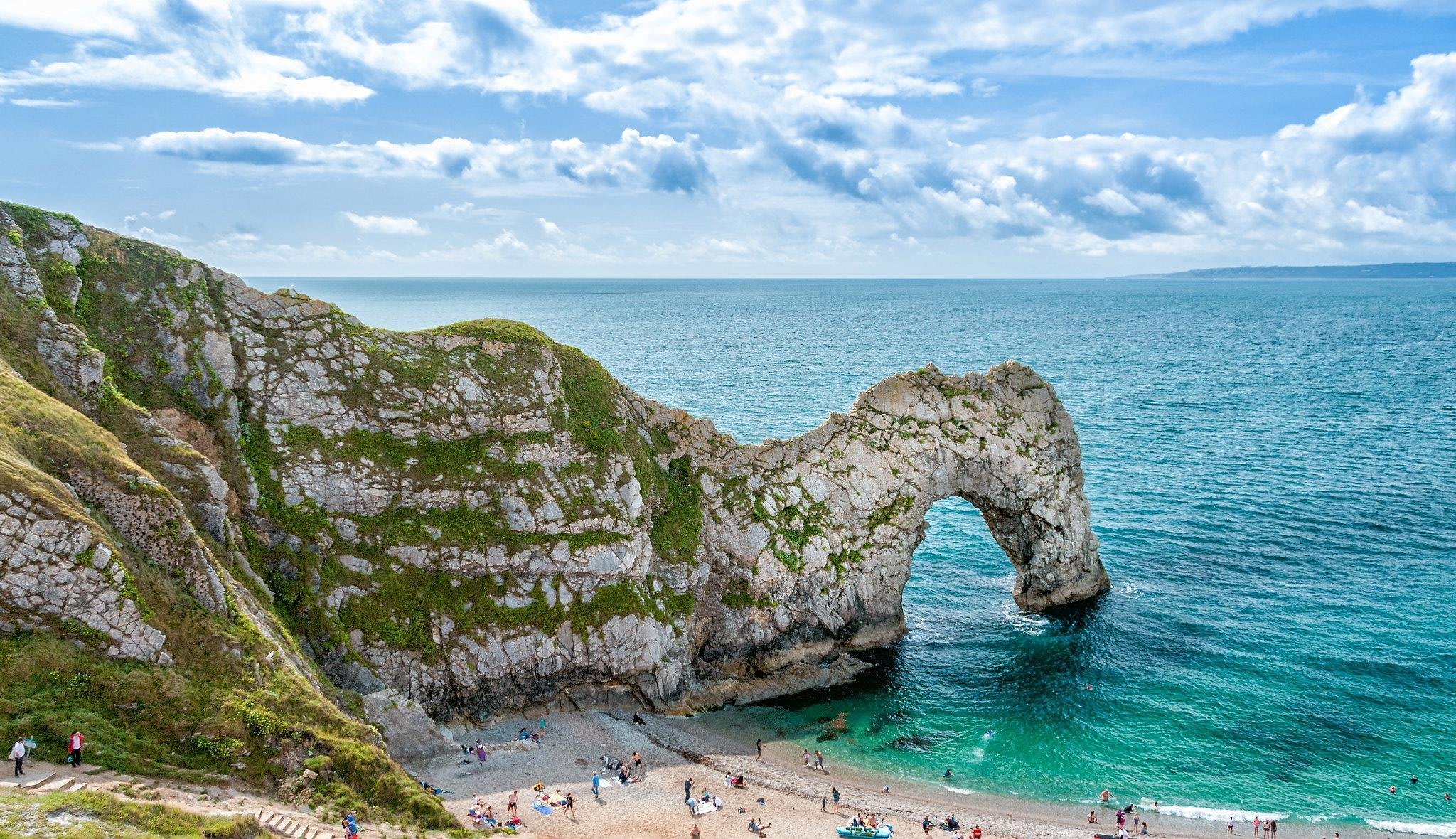
Discovered relatively recently, the Son Doong Cave in Vietnam is the world’s largest known cave passage by volume. Its colossal chambers, underground rivers, and even its own microclimate make it a world within a world. The cave’s sheer size is staggering, with sections large enough to accommodate skyscrapers. Stalactites and stalagmites, formed over millions of years, adorn the cave’s interior, creating a surreal landscape. The Son Doong Cave is a reminder of the hidden wonders that still lie beneath the Earth’s surface.
Carlsbad Caverns, USA: A Subterranean Wonderland
Carlsbad Caverns, located in New Mexico, USA, is a vast network of limestone caves adorned with intricate formations. The Big Room, one of the largest cave chambers in the world, is a testament to the power of water and time. Stalactites, stalagmites, and other speleothems create a surreal landscape, showcasing the artistry of nature. The flight of thousands of bats from the cave entrance at dusk is a spectacle in itself, adding to the allure of this natural wonder.
The Great Barrier Reef, Australia: A Coral Paradise
The Great Barrier Reef, the world’s largest coral reef system, is a vibrant underwater city teeming with life. Home to thousands of species of fish, corals, and other marine organisms, the reef is a biodiversity hotspot. Its intricate coral structures, vibrant colors, and diverse marine life make it a diver’s paradise. However, climate change and pollution threaten this fragile ecosystem, highlighting the need for conservation efforts.
Victoria Falls, Zambia and Zimbabwe: The Smoke that Thunders
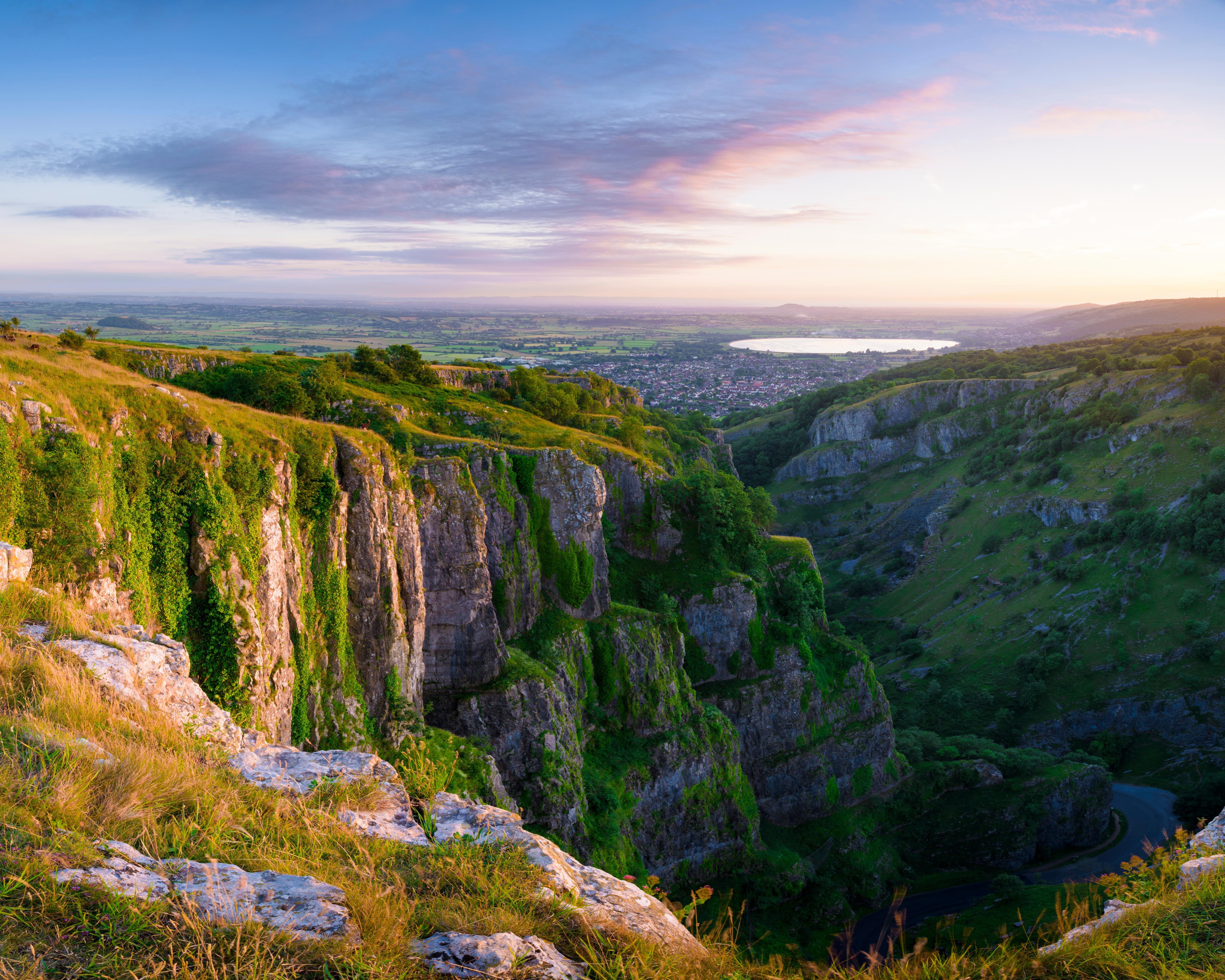
Victoria Falls, located on the Zambezi River, is one of the world’s most spectacular waterfalls. Known as “Mosi-oa-Tunya,” or “The Smoke that Thunders,” the falls create a deafening roar as the water plunges into the gorge below. The mist from the falls creates a perpetual rainbow, adding to the ethereal beauty of the scene. The sheer power and scale of Victoria Falls are a testament to the Earth’s hydrological forces.
The Maldives: Island Jewels in the Indian Ocean
The Maldives, a chain of coral islands in the Indian Ocean, are a tropical paradise renowned for their crystal-clear waters, white-sand beaches, and vibrant coral reefs. The islands’ unique geography, formed by volcanic activity and coral growth, creates a stunning archipelago. The Maldives’ underwater world is a kaleidoscope of colors and life, making it a popular destination for snorkeling and diving. However, rising sea levels pose a significant threat to these low-lying islands.
The Sahara Desert, North Africa: A Sea of Sand
The Sahara Desert, the world’s largest hot desert, stretches across much of North Africa. Its vast expanse of sand dunes, rocky plateaus, and barren landscapes creates a sense of awe and isolation. Despite its harsh conditions, the Sahara is home to unique flora and fauna adapted to the extreme environment. The Sahara’s stark beauty and ancient history make it a captivating destination for those seeking adventure.
The Grand Canyon, USA: A Geological Masterpiece
The Grand Canyon, carved by the Colorado River over millions of years, is a geological masterpiece. Its layered rock formations, vibrant colors, and immense scale offer a glimpse into the Earth’s history. Hiking or rafting through the canyon provides a profound connection with the natural world. The Grand Canyon’s sheer size and intricate details are a testament to the power of erosion and the passage of time.
The Atacama Desert, Chile: A Martian Landscape
The Atacama Desert, one of the driest places on Earth, is a surreal landscape reminiscent of Mars. Its salt flats, sand dunes, and volcanic peaks create a stark and otherworldly beauty. The Atacama’s clear skies make it an ideal location for astronomical observation. Despite its harsh conditions, the desert is home to unique flora and fauna adapted to the extreme aridity. The Atacama Desert’s unique beauty and scientific significance make it a captivating destination.
The Amazon Rainforest, South America: Lungs of the Planet
The Amazon Rainforest, the world’s largest tropical rainforest, is a biodiversity hotspot teeming with life. Its dense canopy, lush vegetation, and intricate ecosystems make it a vital part of the Earth’s ecosystem. The Amazon is home to millions of species of plants and animals, many of which are found nowhere else on Earth. However, deforestation and climate change threaten this vital ecosystem.
The Redwood Forests, USA: Giants of the West Coast
The Redwood Forests of California are home to the world’s tallest trees, the coast redwoods. These towering giants, some reaching over 300 feet in height, are a testament to the longevity and resilience of nature. Walking among these ancient trees evokes a sense of awe and wonder. The Redwood Forests’ tranquil atmosphere and majestic trees create a sanctuary for both wildlife and humans.
The Daintree Rainforest, Australia: Ancient and Diverse
The Daintree Rainforest, located in Queensland, Australia, is one of the oldest rainforests on Earth. Its ancient flora and diverse fauna make it a living museum of natural history. The Daintree’s lush vegetation, cascading waterfalls, and pristine rivers create a magical atmosphere. Exploring this rainforest offers a glimpse into the Earth’s past and the intricate web of life.
These natural attractions, each unique and awe-inspiring, remind us of the Earth’s incredible beauty and the importance of preserving these treasures for future generations. They are a testament to the power of nature to create landscapes that inspire wonder and awe, and they offer a profound connection with the natural world.


