Unveiling Vietnam’s Natural Tapestry: A Guide to Responsible Nature tourism
Vietnam, a land of breathtaking contrasts, extends far beyond its bustling cities and historical landmarks. Its natural landscapes, from the soaring peaks of the north to the lush deltas of the south, offer an unparalleled opportunity for immersive nature tourism. This article delves into the diverse ecosystems and experiences available, emphasizing responsible practices for preserving these precious environments.
A Symphony of Landscapes: Exploring Vietnam’s Natural Wonders
Vietnam’s geographical diversity creates a mosaic of habitats, each with its own unique flora and fauna. From verdant rainforests to coral reefs, the country presents a captivating array of natural attractions.
The Majestic North: Mountains, Valleys, and Ethnic Diversity
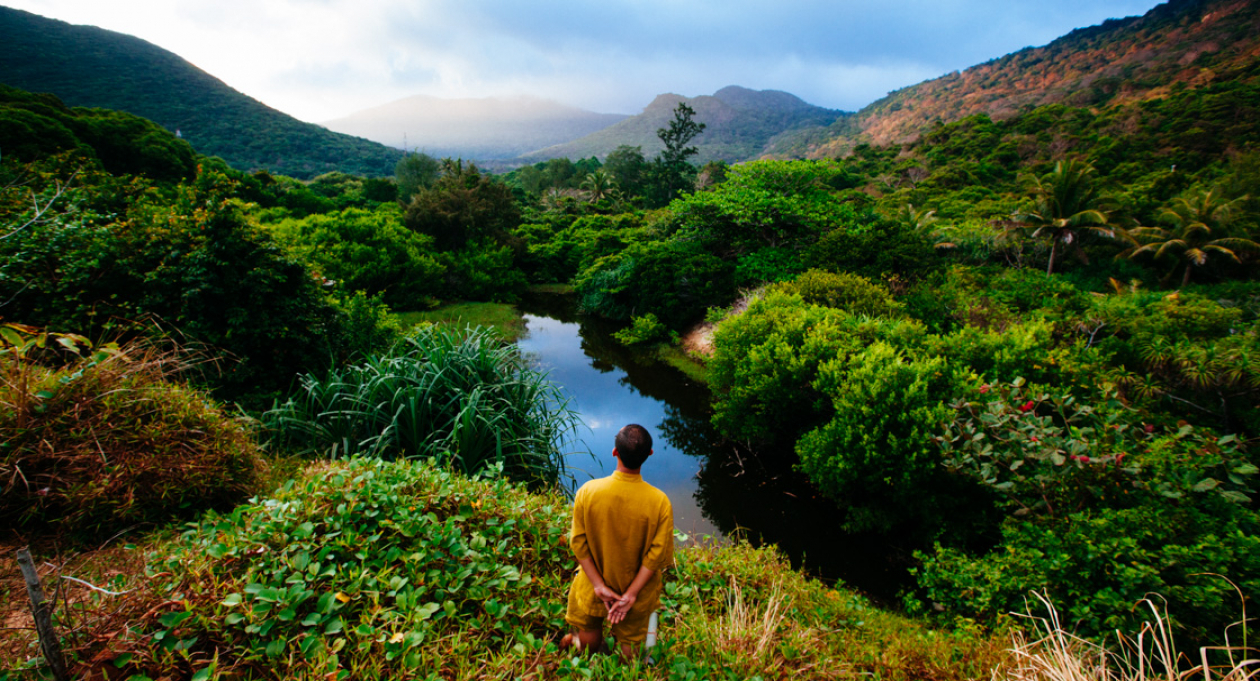
Breathtaking nature of Vietnam takes visitors on thrilling journey
Hoang Lien Son Mountain Range (Sapa):
Home to Fansipan, Indochina’s highest peak, this region offers dramatic mountain scenery, terraced rice fields, and vibrant ethnic minority cultures. Trekking through Sapa’s valleys provides opportunities to witness traditional lifestyles and connect with nature.
Responsible tourism here involves supporting local homestays, respecting cultural traditions, and minimizing environmental impact by staying on designated trails.
Ha Giang Geopark:
A UNESCO Global Geopark, Ha Giang boasts karst landscapes, deep canyons, and winding mountain passes. The region’s remote beauty and cultural richness make it a haven for adventurous travelers.
Sustainable practices are crucial in this fragile ecosystem, including responsible waste disposal and supporting local businesses that prioritize environmental protection.
Ba Be National Park:
Featuring serene lakes, waterfalls, and lush forests, Ba Be National Park offers a tranquil escape. Boat trips on the lakes, kayaking, and hiking are popular activities.
Conservation efforts focus on protecting the park’s biodiversity and promoting ecotourism initiatives that benefit local communities.
Central Vietnam: Caves, Coastlines, and Biodiversity Hotspots
Phong Nha-Ke Bang National Park:
A UNESCO World Heritage Site, Phong Nha-Ke Bang is renowned for its extensive cave systems, including Son Doong, the world’s largest cave. Exploring these subterranean wonders requires careful planning and adherence to park regulations.
Responsible cave tourism involves minimizing disturbance to cave formations, supporting local guides, and contributing to conservation efforts.
Bach Ma National Park:
A biodiversity hotspot, Bach Ma National Park is home to a wide variety of flora and fauna, including rare primate species. Hiking trails lead to waterfalls, viewpoints, and lush rainforests.
Birdwatching, hiking, and camping are popular activities. Visitors are encouraged to respect wildlife and avoid feeding or disturbing animals.
Cham Islands (Cu Lao Cham):
A marine protected area, the Cham Islands offer pristine beaches, coral reefs, and diverse marine life. Snorkeling, diving, and island hopping are popular activities.
Sustainable tourism practices are essential for protecting the islands’ fragile marine ecosystem, including avoiding single-use plastics and supporting local initiatives that promote reef conservation.
Southern Vietnam: Deltas, Mangroves, and Wildlife Sanctuaries
Mekong Delta:
A vast network of waterways, the Mekong Delta is a vibrant agricultural region with floating markets, orchards, and mangrove forests. Boat trips provide opportunities to experience the delta’s unique culture and natural beauty.
Responsible tourism in the Mekong Delta involves supporting local homestays, respecting local customs, and minimizing environmental impact by avoiding excessive boat traffic and pollution.
Can Gio Mangrove Biosphere Reserve:
A UNESCO Biosphere Reserve, Can Gio is a vital ecosystem that protects Ho Chi Minh City from storm surges. Boat trips through the mangroves provide opportunities to observe wildlife, including monkeys and birds.
Conservation efforts focus on protecting the mangroves and promoting sustainable tourism practices that benefit local communities.
Cat Tien National Park:
One of Vietnam’s most important biodiversity hotspots, Cat Tien National Park is home to a wide variety of wildlife, including gibbons, elephants, and deer. Hiking, birdwatching, and wildlife spotting are popular activities.
Responsible wildlife tourism involves respecting animal habitats, avoiding feeding or disturbing animals, and supporting conservation initiatives.
As tourism in Vietnam continues to grow, it is crucial to prioritize responsible practices that minimize environmental impact and benefit local communities.
Minimizing Environmental Impact
Reduce Waste:
Avoid single-use plastics, bring reusable water bottles, and dispose of waste responsibly.
Conserve Water and Energy:
Use water and energy efficiently, and support accommodations that prioritize sustainable practices.
Respect Wildlife:
Avoid feeding or disturbing animals, and maintain a safe distance.
Stay on Designated Trails:
Minimize erosion and protect fragile ecosystems by staying on designated trails.
Support Local Conservation Efforts:
Contribute to organizations that work to protect Vietnam’s natural heritage.
Supporting Local Communities
Choose Local Guides and Tour Operators:
Support businesses that prioritize sustainable practices and benefit local communities.
Stay in Homestays and Guesthouses:
Experience local culture and support family-run businesses.
Purchase Local Products:
Support local artisans and businesses that use sustainable materials.
Respect Local Customs and Traditions:
Dress appropriately, ask permission before taking photos, and learn about local customs.
Practice Responsible Travel Etiquette:
Avoid loud noises, respect privacy, and be mindful of your impact on local communities.
Embracing Sustainable Experiences
Breathtaking nature of Vietnam takes visitors on thrilling journey
Vietnam offers a range of sustainable tourism experiences that allow travelers to connect with nature while minimizing their impact.
Ecotourism Initiatives
Community-based tourism:
Engage with local communities and learn about their traditional lifestyles.
Agritourism:
Visit farms and learn about sustainable agriculture practices.
Wildlife sanctuaries and rescue centers:
Support organizations that protect endangered species.
National park volunteer programs:
Contribute to conservation efforts by participating in volunteer programs.
Adventure and Exploration
Trekking and hiking:
Explore Vietnam’s diverse landscapes on foot.
Kayaking and canoeing:
Discover hidden waterways and explore coastal areas.
Cycling:
Explore rural areas and connect with local communities.
Birdwatching and wildlife spotting:
Observe Vietnam’s diverse flora and fauna.
A Call to Action: Protecting Vietnam’s Natural Treasures
Vietnam’s natural beauty is a precious resource that must be protected for future generations. By embracing responsible tourism practices, travelers can contribute to the conservation of these irreplaceable landscapes. Choosing sustainable tour operators, minimizing environmental impact, and supporting local communities are all vital steps in ensuring that Vietnam’s natural heritage remains intact. The opportunity to experience the magnificence of the country’s diverse ecosystems is a privilege, and it is our collective responsibility to ensure that these wonders continue to inspire and amaze for years to come.