
Unveiling Nature’s Embrace: Eco-tourism Gems Near Vadodara
Vadodara, the cultural capital of Gujarat, is often lauded for its historical monuments and vibrant urban life. However, a short drive away lies a treasure trove of natural wonders, offering a refreshing escape into the heart of eco-tourism. This region, blessed with diverse ecosystems, presents opportunities to reconnect with nature, learn about conservation, and experience the tranquility of rural Gujarat.
Here’s a comprehensive guide to the captivating eco-tourism destinations near Vadodara:
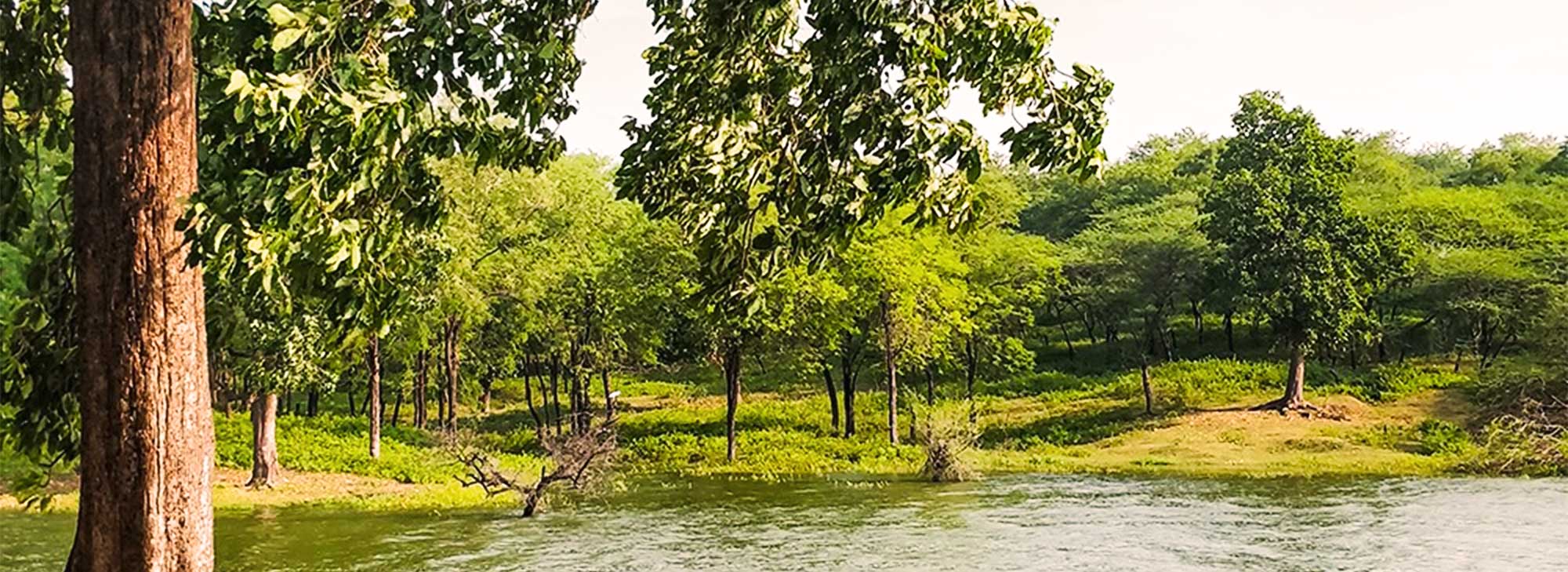
Jambughoda Wildlife Sanctuary, a mere 70 kilometers from Vadodara, is a haven for nature enthusiasts. Spanning over 130 square kilometers, this sanctuary boasts a rich biodiversity, making it a prime destination for eco-tourism.
Exploring the Sanctuary’s Biodiversity
Jambughoda is home to a variety of wildlife, including leopards, sloth bears, hyenas, and numerous species of deer, such as the four-horned antelope (Chousingha). Birdwatchers will be delighted by the diverse avian population, which includes eagles, owls, and various migratory birds. The sanctuary’s flora is equally impressive, with dense forests of teak, mahua, and bamboo providing a lush green canopy.
Engaging in Eco-Friendly Activities

Nature Trails and Treks: Embark on guided nature trails to explore the sanctuary’s diverse ecosystems. These trails offer opportunities to observe wildlife, learn about local flora, and enjoy the tranquility of the forest.
Sustainable Tourism Practices
The Jambughoda Wildlife Sanctuary promotes sustainable tourism by encouraging visitors to respect the environment, minimize their impact, and support local communities. Visitors are advised to avoid littering, using plastic, and disturbing wildlife.
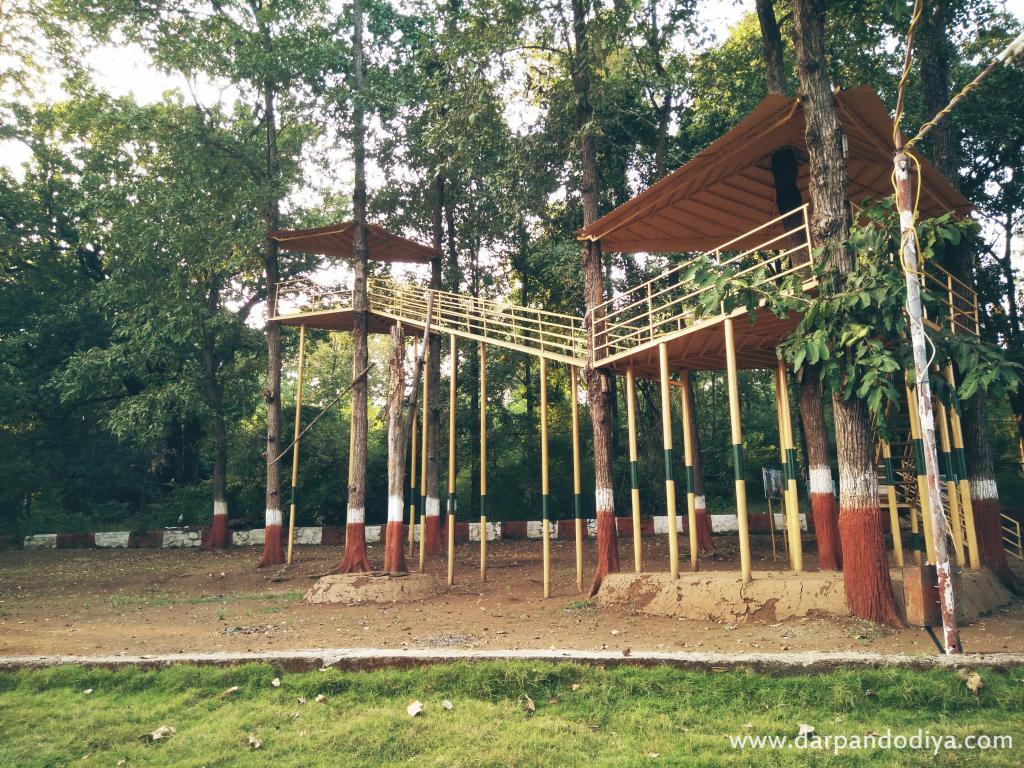
Located approximately 120 kilometers from Vadodara, the Ratanmahal Sloth Bear Sanctuary is a unique eco-tourism destination, primarily known for its sloth bear population.
Witnessing the Sloth Bear’s Natural Habitat
The sanctuary’s rugged terrain and dense forests provide an ideal habitat for sloth bears. Visitors can embark on guided safaris to observe these fascinating creatures in their natural environment. The best time to spot sloth bears is during the early morning or late evening.
Exploring the Sanctuary’s Diverse Ecosystems
Besides sloth bears, the sanctuary is home to leopards, hyenas, and various species of deer. The diverse flora includes bamboo forests, dry deciduous forests, and grasslands. The sanctuary also offers opportunities for birdwatching and nature walks.
Supporting Local Communities
The Ratanmahal Sloth Bear Sanctuary works closely with the local tribal communities to promote sustainable tourism and conservation. Visitors can support these communities by purchasing local handicrafts and participating in cultural experiences.
Kadana Dam, situated on the Mahi River, approximately 90 kilometers from Vadodara, offers a serene water retreat and a variety of eco-tourism activities.
Enjoying Water-Based Activities
The vast reservoir created by the dam provides opportunities for boating, fishing, and kayaking. Visitors can also enjoy scenic views of the surrounding hills and forests.
Exploring the Surrounding Natural Beauty
The area around Kadana Dam is home to diverse flora and fauna. Birdwatchers can spot various waterbirds, including migratory species. The surrounding hills offer opportunities for trekking and nature walks.
Promoting Responsible Tourism
Visitors are encouraged to respect the natural environment, avoid littering, and minimize their impact on the water resources. Local authorities are working to promote sustainable tourism practices in the area.
Polo Forest, located approximately 150 kilometers from Vadodara, is a hidden gem that combines historical ruins with natural beauty.
Exploring Ancient Ruins
The forest is home to ancient temples and other architectural ruins, dating back to the 10th century. These ruins offer a glimpse into the region’s rich history and cultural heritage.
Immersing in the Natural Environment
The Polo Forest is surrounded by dense forests, hills, and rivers. Visitors can enjoy trekking, birdwatching, and camping. The forest is particularly beautiful during the monsoon season, when the lush greenery comes alive.
Supporting Eco-Tourism Initiatives
Local communities and organizations are working to promote eco-tourism in the Polo Forest. Visitors can support these initiatives by participating in guided tours and purchasing local products.
Dev Dam, a relatively lesser-known destination, is located near Chhota Udaipur, approximately 100 kilometers from Vadodara. This dam offers a peaceful retreat for nature lovers.
Experiencing Tranquil Surroundings
The dam is surrounded by hills and forests, providing a serene environment for relaxation and nature walks. Visitors can enjoy scenic views of the reservoir and the surrounding landscape.
Engaging in Birdwatching and Nature Photography
The area around Dev Dam is home to a variety of bird species, making it a great spot for birdwatching. Nature photographers can capture stunning images of the dam, the surrounding landscape, and the diverse wildlife.
Promoting Sustainable Rural Tourism
Local communities are working to develop sustainable rural tourism initiatives in the area. Visitors can support these initiatives by staying in local homestays and participating in cultural experiences.
While primarily known for its historical and architectural significance, Champaner-Pavagadh Archaeological Park, a UNESCO World Heritage Site, also offers opportunities for eco-tourism.
Exploring Historical and Natural Landscapes
The park encompasses a vast area, including historical monuments, temples, and natural landscapes. Pavagadh Hill, a part of the park, is home to diverse flora and fauna.
Trekking and Nature Walks on Pavagadh Hill
Visitors can trek to the summit of Pavagadh Hill, enjoying scenic views and exploring the natural beauty of the area. The hill is home to various species of plants and animals.
Understanding the Interplay of Culture and Nature
Champaner-Pavagadh Archaeological Park highlights the interplay between culture and nature. The historical monuments are integrated into the natural landscape, showcasing the region’s rich heritage.
Respect Wildlife: Maintain a safe distance from animals and avoid disturbing their natural behavior.
By embracing responsible eco-tourism practices, visitors can contribute to the conservation of these natural treasures and support the sustainable development of local communities near Vadodara. The region’s diverse ecosystems and rich cultural heritage offer a unique and enriching experience for nature enthusiasts and travelers seeking an authentic connection with the heart of Gujarat.


