
The Untamed Allure: Exploring the Natural Heart of tourism
Tourism, in its essence, is a human desire to explore, experience, and understand the world beyond our immediate surroundings. While cultural landmarks and urban landscapes hold undeniable appeal, it is the natural world that often captivates the soul most profoundly. The allure of untouched landscapes, the vibrant ecosystems, and the sheer power of nature’s artistry drive a significant and ever-growing segment of the tourism industry. This article delves into the various facets of natural tourism, examining its forms, impacts, and the crucial balance between appreciation and preservation.
The Diverse Tapestry of Natural Tourism
Natural tourism, also known as ecotourism or nature-based tourism, encompasses a broad spectrum of activities, each offering unique encounters with the natural world.
Wildlife Tourism: Encounters with the Wild
Wildlife tourism focuses on observing and interacting with animals in their natural habitats. This can range from safari adventures in African savannas to whale-watching expeditions in coastal regions. The thrill of witnessing majestic creatures in their element is a powerful draw for many travelers.
Adventure Tourism: Embracing the Elements
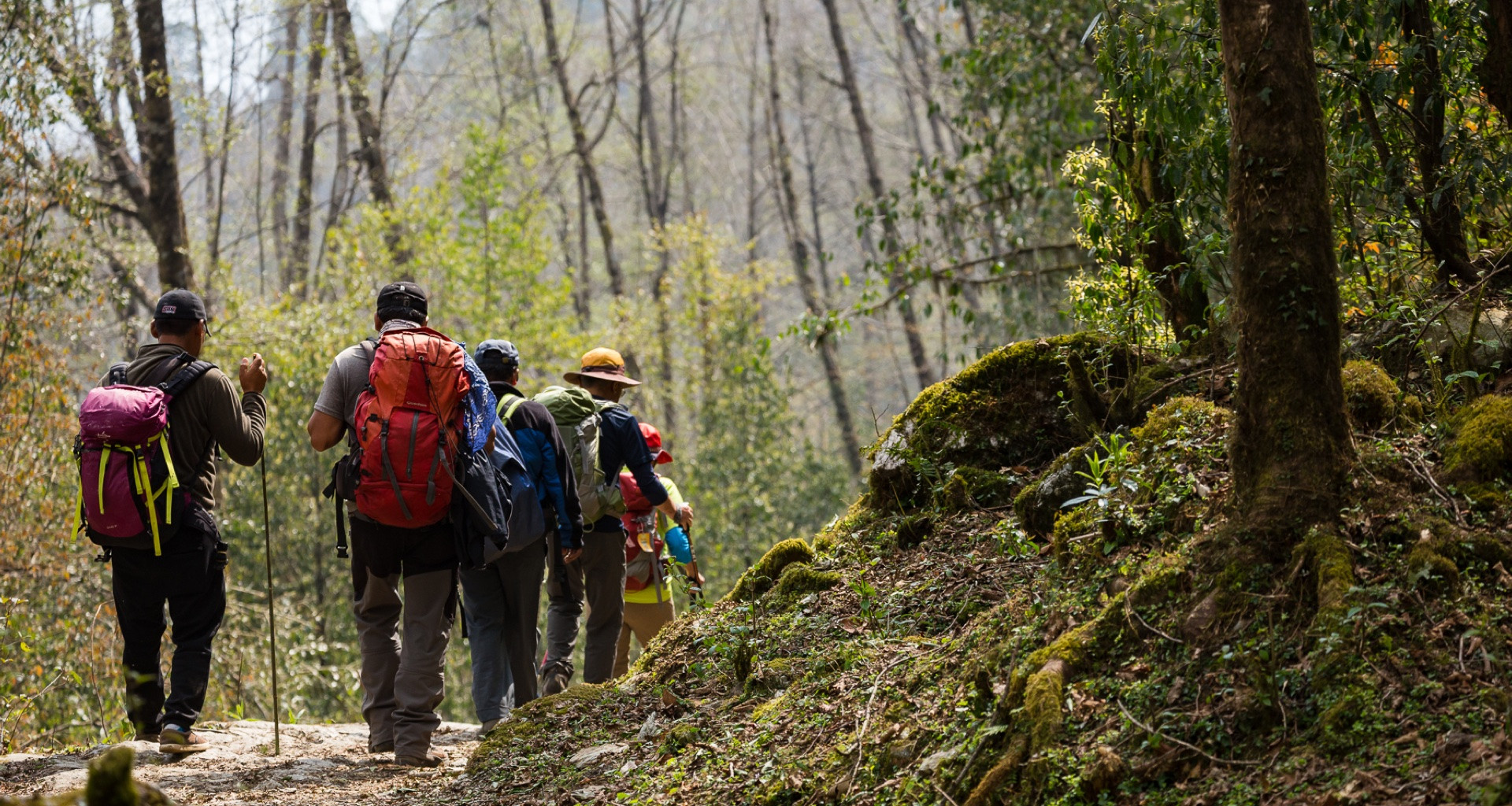
Adventure tourism involves engaging in activities that challenge physical and mental limits while immersed in natural environments. This includes activities like hiking, rock climbing, kayaking, whitewater rafting, and mountain biking.
Ecotourism: Sustainable Travel with a Conscience
Ecotourism is a subset of natural tourism that emphasizes responsible travel practices and environmental conservation. It aims to minimize negative impacts on the environment and contribute to the well-being of local communities.
Geotourism: Unveiling the Earth’s Stories
Geotourism focuses on the geological and geographical features of a region, such as mountains, canyons, volcanoes, and glaciers. It seeks to understand the Earth’s history and processes through exploration and education.
The Impacts of Natural Tourism: A Double-Edged Sword
While natural tourism offers numerous benefits, it also presents potential challenges that must be carefully managed.
Positive Impacts: Conservation and Community Development
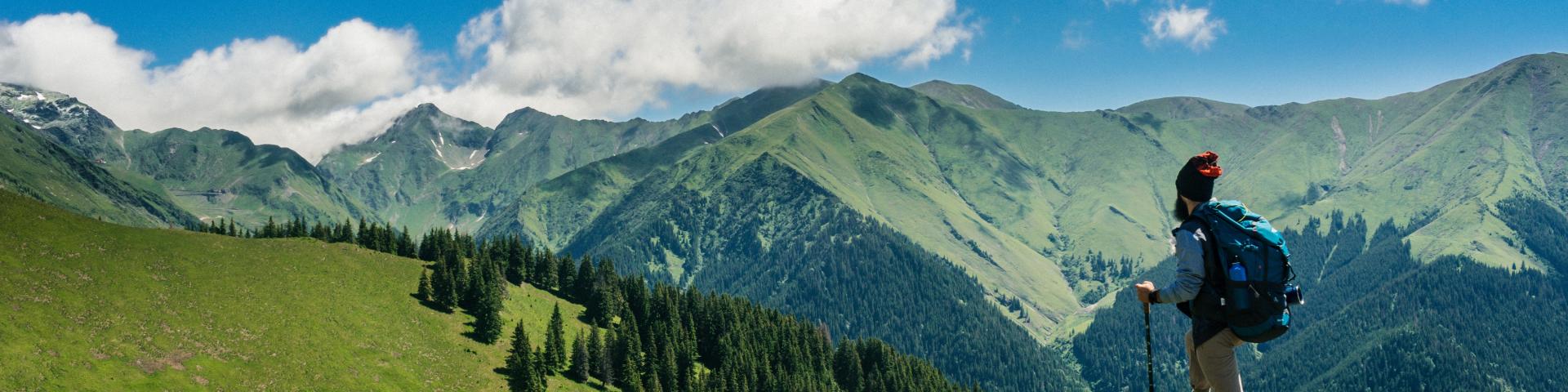
Natural tourism can generate significant revenue for conservation efforts, funding park management, wildlife protection, and habitat restoration.
Negative Impacts: Environmental Degradation and Cultural Disruption
Increased tourist traffic can lead to environmental degradation, including habitat destruction, pollution, and erosion.
Balancing Appreciation and Preservation: The Path to Sustainable Natural Tourism
The key to ensuring the long-term viability of natural tourism lies in striking a balance between appreciation and preservation. This requires a concerted effort from all stakeholders, including tourists, tour operators, governments, and local communities.
Responsible Tourist Behavior: Leaving No Trace
Tourists must adopt responsible travel practices, such as minimizing waste, conserving water and energy, and respecting local customs and traditions.
Sustainable Tourism Practices: Minimizing Footprints

Tour operators must implement sustainable tourism practices, such as reducing carbon emissions, using eco-friendly accommodations, and supporting local conservation initiatives.
Community Involvement: Empowering Local Voices
Local communities must be actively involved in the planning and management of natural tourism.
Education and Awareness: Fostering Environmental Stewardship
Educating tourists about the natural and cultural values of destinations is essential for promoting responsible behavior.
The Future of Natural Tourism: A Call for Responsible Exploration
Natural tourism has the potential to be a powerful force for conservation and community development. However, realizing this potential requires a commitment to responsible and sustainable practices. As the demand for nature-based experiences continues to grow, it is crucial that we prioritize the protection of our planet’s natural treasures. By embracing ethical guidelines, minimizing our environmental footprint, and empowering local communities, we can ensure that future generations have the opportunity to experience the untamed allure of the natural world.


