
Embracing Emeralds and Azure: Unveiling the Treasures of Thailand’s Nature tourism
Thailand, a land synonymous with vibrant culture, delectable cuisine, and warm hospitality, also boasts an extraordinary natural heritage. Beyond the bustling cityscapes and ancient temples, a tapestry of lush rainforests, pristine beaches, and dramatic mountain ranges awaits, beckoning travelers to immerse themselves in the country’s breathtaking natural beauty. Nature tourism in Thailand has blossomed, offering diverse experiences that cater to adventurers, wildlife enthusiasts, and those seeking tranquility amidst stunning landscapes.
The northern region of Thailand, dominated by the imposing Himalayas, presents a dramatic contrast to the tropical south. Here, verdant valleys, cascading waterfalls, and traditional hill tribe villages create a captivating panorama.
Chiang Mai’s Enchanted Forests
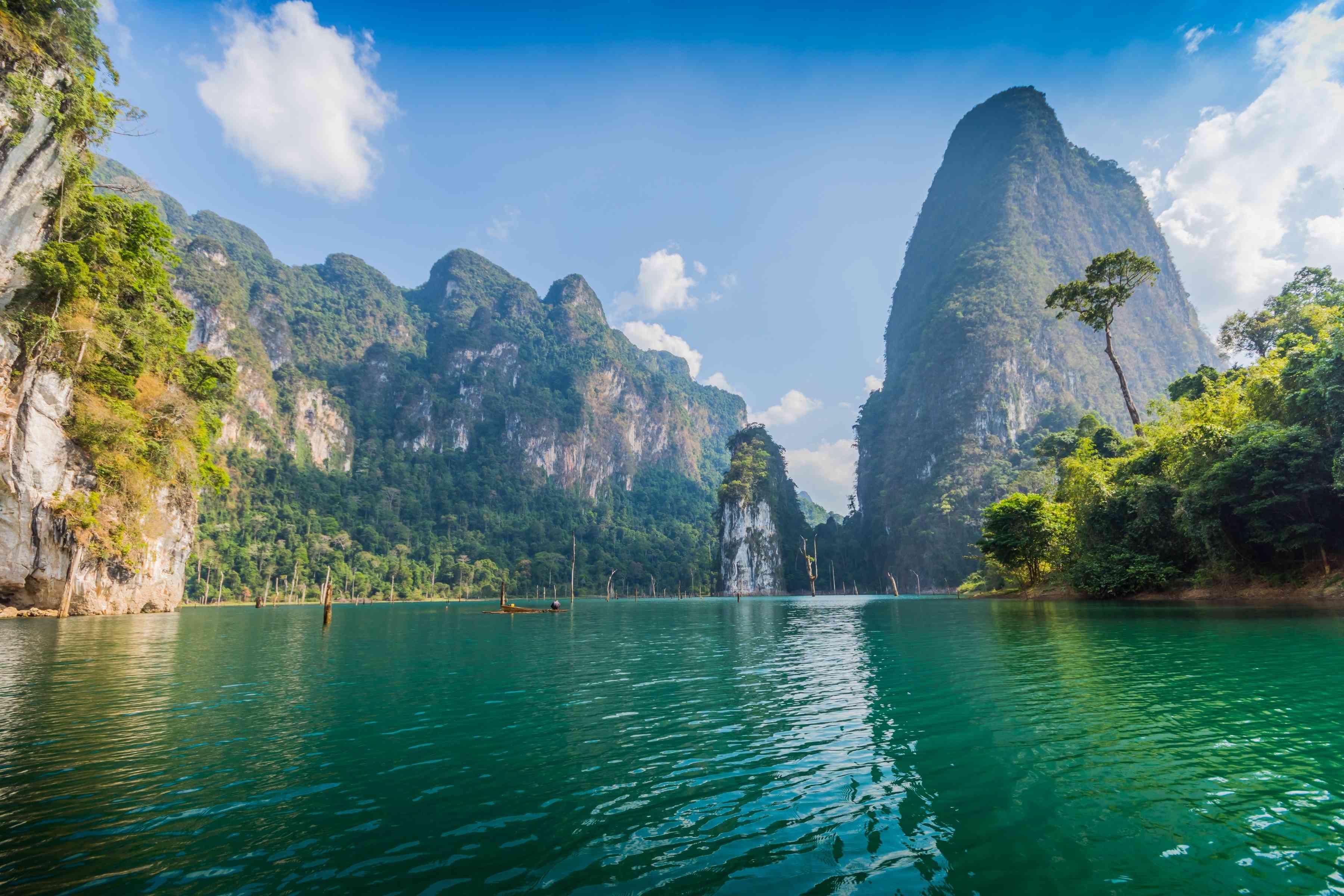
Chiang Mai, the “Rose of the North,” serves as a gateway to numerous natural wonders. Trekking through the Doi Inthanon National Park, home to Thailand’s highest peak, offers panoramic views and the chance to witness rare flora and fauna. The park’s numerous waterfalls, including Wachirathan and Sirithan, provide refreshing respite from the tropical heat.
Pai’s Serene Valleys and Hot Springs
The laid-back town of Pai, nestled in a picturesque valley, attracts travelers seeking tranquility and natural beauty. The region is renowned for its hot springs, including the Tha Pai Hot Springs, where visitors can soak in mineral-rich waters surrounded by lush greenery. The Pai Canyon, a miniature version of the Grand Canyon, offers breathtaking sunset views.
Hill Tribe Encounters and Cultural Immersion
The northern highlands are home to various hill tribes, each with its unique culture and traditions. Engaging with these communities provides a valuable opportunity to learn about their sustainable lifestyles and traditional crafts. Responsible tourism initiatives promote cultural exchange and support local economies.
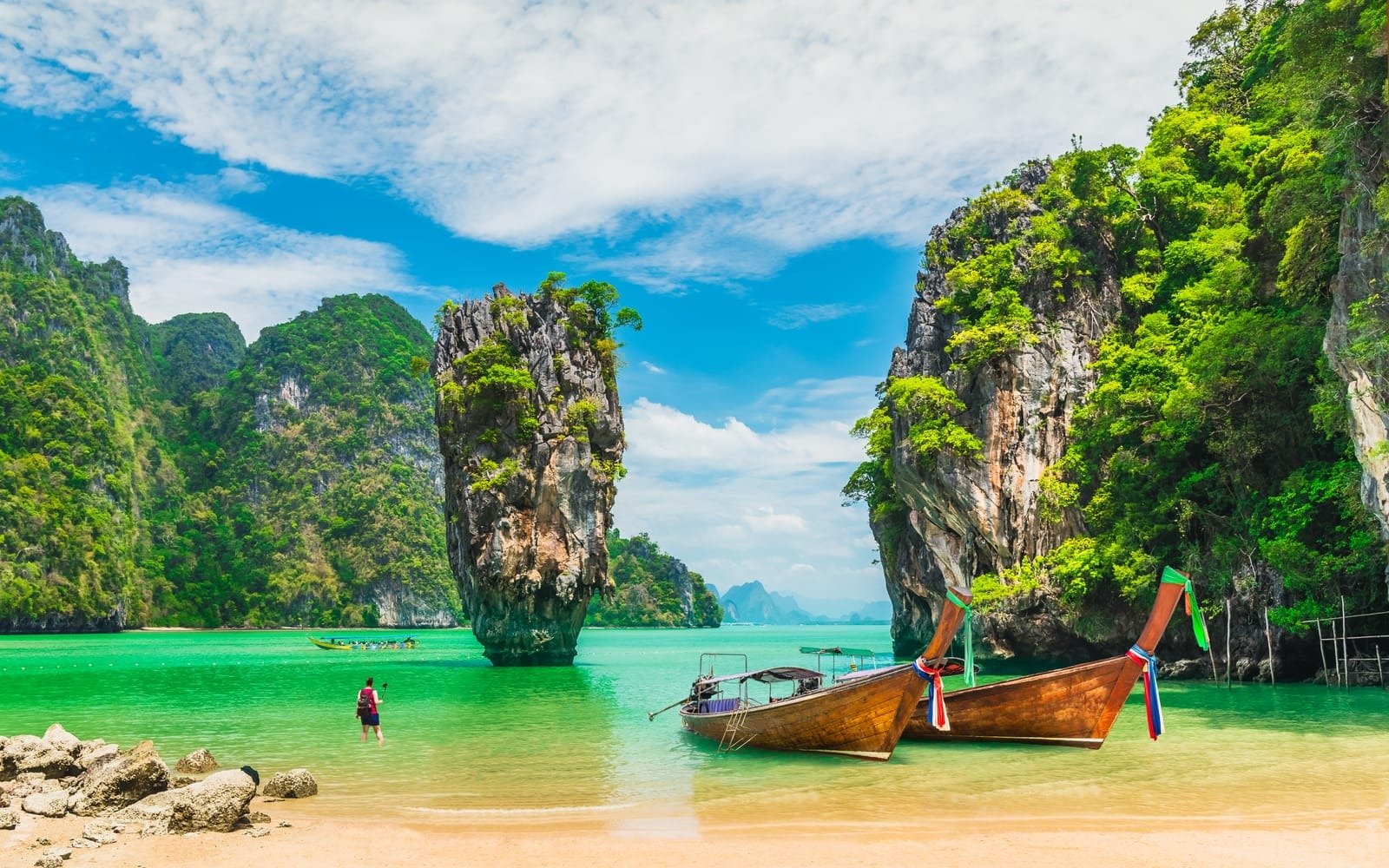
Thailand’s southern region, fringed by the Andaman Sea and the Gulf of Thailand, is a paradise for beach lovers and marine enthusiasts. From world-renowned islands to hidden coves, the south offers a diverse range of coastal experiences.
Phuket’s Pristine Beaches and Underwater Worlds
Phuket, Thailand’s largest island, is famed for its stunning beaches, including Patong, Kata, and Karon. Beyond the bustling resorts, the island offers opportunities for snorkeling and diving in the vibrant coral reefs of the Similan and Surin Islands National Parks. These parks are renowned for their diverse marine life, including sea turtles, manta rays, and whale sharks.
Krabi’s Limestone Cliffs and Emerald Waters
Krabi, with its dramatic limestone cliffs and emerald-green waters, is a haven for rock climbers and kayakers. Railay Beach, accessible only by boat, is a world-renowned climbing destination. The region’s numerous islands, including Phi Phi Islands, offer opportunities for snorkeling, diving, and island hopping. Maya Bay, made famous by the film “The Beach,” has undergone restoration efforts to protect its fragile ecosystem.
Koh Samui’s Tranquil Beaches and Tropical Retreats
Koh Samui, known for its luxurious resorts and tranquil beaches, offers a more relaxed atmosphere. The island’s interior is covered in lush rainforest, home to waterfalls and hiking trails. Ang Thong National Marine Park, a cluster of 42 islands, is a must-visit for kayaking and snorkeling.
Koh Lanta’s Laid-Back Charm and Marine Diversity
Koh Lanta, a quieter alternative to Phuket and Koh Samui, boasts long stretches of sandy beaches and a relaxed atmosphere. The island is surrounded by numerous dive sites, offering opportunities to explore vibrant coral reefs and diverse marine life.
The central plains of Thailand, traversed by the Chao Phraya River, offer a mix of cultural and natural attractions. From ancient ruins to wildlife sanctuaries, the region provides a glimpse into Thailand’s rich history and diverse ecosystems.
Ayutthaya’s Historical Park and River Cruises
Ayutthaya, the former capital of Siam, is a UNESCO World Heritage Site. Exploring the ancient ruins by bicycle or boat offers a fascinating glimpse into Thailand’s past. The Chao Phraya River, which flows through the city, provides opportunities for scenic river cruises.
Khao Yai National Park’s Wildlife Encounters
Khao Yai National Park, a UNESCO World Heritage Site, is one of Thailand’s most popular national parks. Home to diverse wildlife, including elephants, tigers, and gibbons, the park offers opportunities for hiking, birdwatching, and wildlife spotting. The park’s numerous waterfalls, including Haew Narok and Haew Suwat, are also major attractions.
Erawan National Park’s Cascading Waterfalls
Erawan National Park, located in Kanchanaburi Province, is renowned for its seven-tiered Erawan Falls. The turquoise waters of the falls cascade down limestone cliffs, creating a series of natural pools perfect for swimming. The park also features hiking trails and caves.
As nature tourism in Thailand continues to grow, it is crucial to prioritize responsible practices that minimize environmental impact and benefit local communities.
Supporting Sustainable Tourism Operators
Choosing tour operators that adhere to sustainable practices, such as minimizing waste, respecting wildlife, and supporting local businesses, is essential.
Minimizing Environmental Impact
Practicing responsible tourism habits, such as avoiding single-use plastics, respecting wildlife habitats, and staying on designated trails, helps protect Thailand’s natural environment.
Engaging with Local Communities
Supporting local businesses and engaging with local communities promotes cultural exchange and provides economic benefits to the region.
Respecting Wildlife and Natural Habitats
Maintaining a respectful distance from wildlife, avoiding feeding animals, and not disturbing natural habitats ensures the well-being of Thailand’s diverse ecosystems.
Nature tourism in Thailand offers an unparalleled opportunity to explore the country’s diverse landscapes, encounter unique wildlife, and immerse oneself in rich cultural traditions. By embracing responsible tourism practices, travelers can contribute to the preservation of Thailand’s natural treasures for future generations. The emerald jungles, azure waters and breath taking vistas that Thailand contains, will leave lasting memories on any traveler.


