
The Blossoming Path: Sustainable Eco-tourism Facilities Leading the Way
Eco-tourism, a sector once considered a niche pursuit, has blossomed into a powerful force shaping the travel industry. As global awareness of environmental degradation grows, travelers are increasingly seeking experiences that minimize their impact and contribute positively to local communities and ecosystems. This shift has spurred the development of innovative and sustainable eco-tourism facilities worldwide, each striving to balance the allure of immersive nature experiences with the imperative of environmental preservation.
This article explores the multifaceted landscape of eco-tourism facilities, examining their diverse approaches, challenges, and successes in fostering responsible travel.
Building with Nature: Architectural Harmony and Minimal Impact
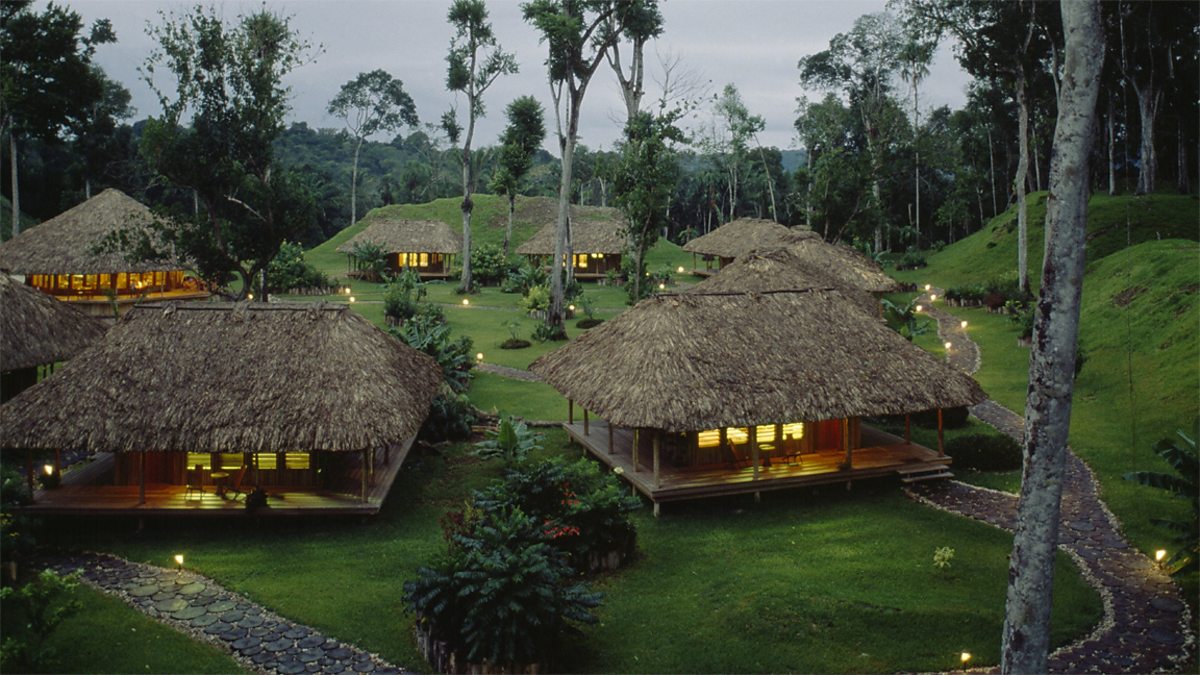
The foundation of a truly sustainable eco-tourism facility lies in its architecture and construction. Traditional building practices often disrupt natural habitats and consume vast amounts of resources. Modern eco-lodges and resorts, however, are embracing innovative solutions that prioritize harmony with the environment.
Locally Sourced and Sustainable Materials
Many eco-facilities are constructed using locally sourced, renewable, and recycled materials. Bamboo, sustainably harvested timber, rammed earth, and recycled plastics are increasingly common, reducing the carbon footprint associated with transportation and manufacturing. These materials often blend seamlessly with the natural surroundings, creating a sense of place and minimizing visual impact.
Passive Design and Energy Efficiency

Passive design principles, which leverage natural elements like sunlight and wind, are integral to minimizing energy consumption. Buildings are oriented to maximize natural ventilation and daylight, reducing the need for artificial lighting and air conditioning. Solar panels, wind turbines, and micro-hydropower systems provide renewable energy sources, further reducing reliance on fossil fuels.
Water Conservation and Waste Management
Water scarcity is a growing concern in many regions. Eco-facilities are implementing water-saving measures like rainwater harvesting, greywater recycling, and low-flow fixtures. Composting toilets and constructed wetlands are used to treat wastewater naturally, minimizing pollution. Solid waste is meticulously sorted and recycled, with a focus on reducing single-use plastics and promoting a circular economy.
Empowering Communities: Socio-Economic Sustainability
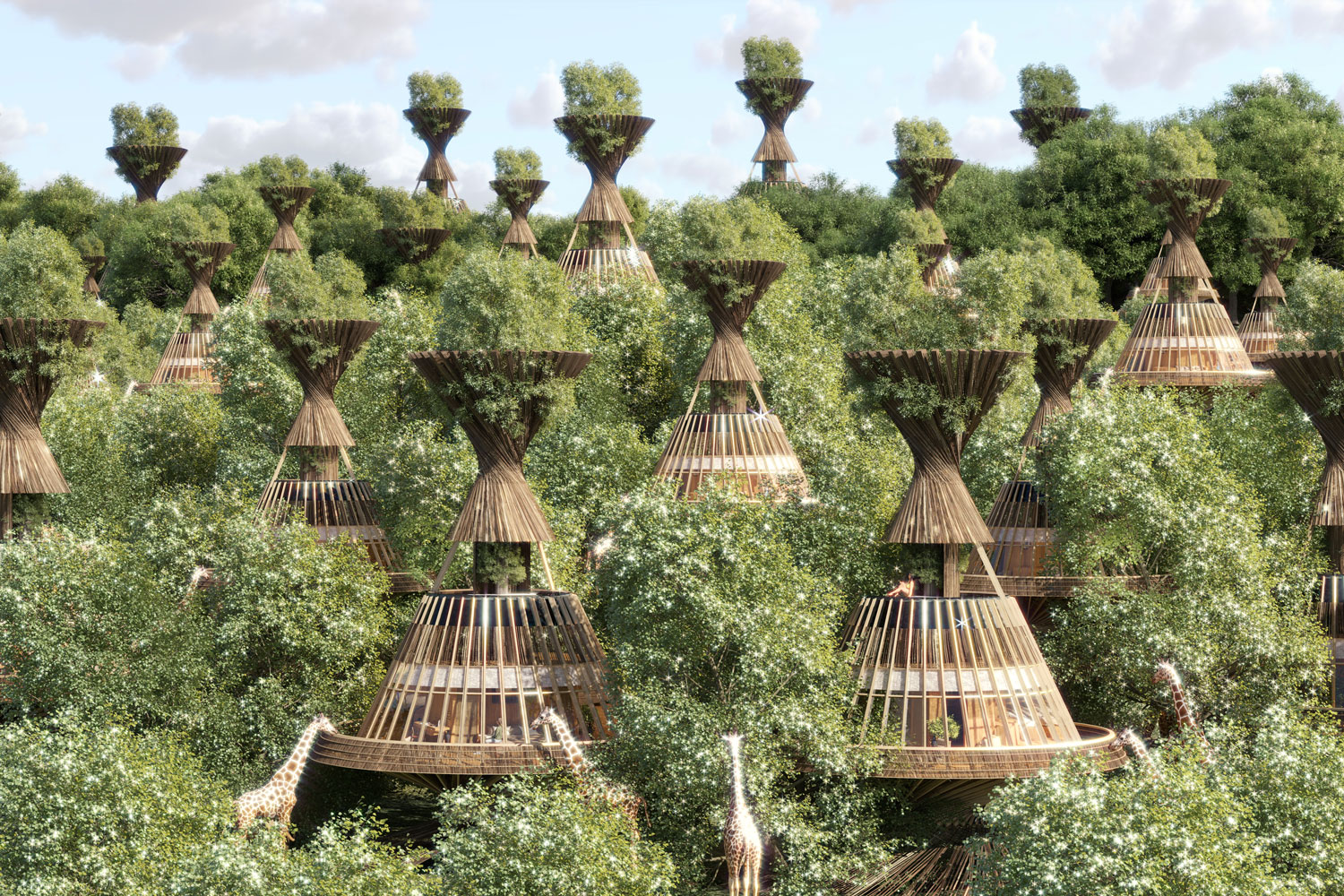
Eco-tourism’s potential to benefit local communities is a crucial aspect of its sustainability. Responsible facilities prioritize community engagement and empowerment, ensuring that tourism revenue contributes to local livelihoods and cultural preservation.
Community Ownership and Management
In many successful eco-tourism ventures, local communities are directly involved in ownership and management. This ensures that profits stay within the community and that tourism activities are aligned with local values and priorities. Community-based tourism initiatives often provide training and employment opportunities for local residents, fostering economic development and reducing reliance on unsustainable practices.
Cultural Preservation and Education
Eco-facilities play a vital role in preserving and promoting local cultures. They offer opportunities for visitors to learn about traditional practices, crafts, and knowledge systems. Cultural performances, guided tours led by local experts, and workshops on traditional skills are common features. By fostering cultural exchange, eco-tourism can help to revitalize and safeguard indigenous cultures.
Fair Trade and Local Sourcing
Eco-facilities prioritize sourcing goods and services from local suppliers, supporting local economies and reducing the environmental impact of long-distance transportation. Fair trade practices ensure that local producers receive fair prices for their products, promoting equitable economic development.
Protecting Nature: Conservation and Restoration
The primary goal of eco-tourism is to minimize its impact on the natural environment and, ideally, contribute to its conservation and restoration.
Habitat Restoration and Reforestation
Many eco-facilities are actively involved in habitat restoration and reforestation projects. They may plant native trees, restore degraded wetlands, or remove invasive species. These efforts help to enhance biodiversity, improve ecosystem resilience, and sequester carbon.
Wildlife Conservation and Monitoring
Eco-facilities located in wildlife-rich areas often contribute to conservation efforts by supporting research and monitoring programs. They may employ wildlife rangers, provide funding for anti-poaching initiatives, and educate visitors about wildlife conservation.
Responsible Wildlife Viewing and Interaction
Eco-tourism promotes responsible wildlife viewing and interaction, minimizing disturbance to animals and their habitats. Guidelines are established to ensure that visitors maintain a safe distance from wildlife, avoid feeding animals, and respect their natural behaviors.
Minimizing Carbon Footprint and Offsetting
Eco-facilities strive to minimize their carbon footprint through energy efficiency, renewable energy, and reduced consumption. They may also offer carbon offsetting programs, allowing visitors to compensate for their travel emissions by investing in projects that reduce greenhouse gas emissions.
The Challenges and Future of Eco-Tourism
Despite its growing popularity and positive impacts, eco-tourism faces several challenges.
Greenwashing and Misleading Claims
The term “eco-tourism” is often misused by businesses that prioritize profit over sustainability. This can lead to greenwashing, where misleading claims are made about the environmental credentials of a facility or activity. Rigorous certification programs and transparent reporting are essential to combat greenwashing.
Balancing Tourism and Conservation
The increasing popularity of eco-tourism can lead to overcrowding and environmental degradation in sensitive areas. Careful planning, visitor management, and capacity limits are necessary to balance tourism with conservation goals.
Ensuring Equitable Benefits for Local Communities
Ensuring that local communities receive a fair share of the benefits from eco-tourism requires ongoing dialogue, collaboration, and capacity building. Transparent revenue sharing mechanisms and community-based decision-making are essential.
Technological Advancements and Innovation
Technological advancements are playing an increasingly important role in enhancing the sustainability of eco-tourism facilities. Smart energy management systems, advanced water treatment technologies, and innovative building materials are helping to reduce environmental impact. Virtual reality and augmented reality technologies can also be used to provide immersive educational experiences while minimizing physical impact on sensitive environments.
The Future of Eco-Tourism
The future of eco-tourism lies in its ability to adapt to evolving environmental challenges and traveler expectations. As climate change intensifies and biodiversity loss accelerates, the need for responsible and sustainable travel experiences will only grow. Eco-tourism facilities that prioritize community empowerment, environmental conservation, and innovation will be best positioned to thrive in this evolving landscape.
The journey towards a truly sustainable tourism industry is ongoing. By embracing the principles of eco-tourism, we can create a future where travel enriches both our lives and the planet we call home. The combined efforts of forward-thinking facilities, responsible travelers, and committed communities will pave the way for a more sustainable and equitable world.


