
South Africa’s Symphony of Stone and Sky: A Journey Through Natural Wonders
South Africa, a land of stark contrasts and breathtaking beauty, holds within its borders a treasure trove of natural wonders. From the thunderous roar of waterfalls to the silent majesty of ancient mountains, the country’s diverse landscapes offer a symphony of experiences for the intrepid traveler. This journey delves into some of the most captivating natural marvels that grace this southern African gem.
The Crown Jewel of Cape Town
Towering over the vibrant city of Cape Town, Table Mountain is an iconic landmark, a flat-topped sentinel that has captivated visitors for centuries. Its distinctive shape, often shrouded in a “tablecloth” of clouds, makes it instantly recognizable. This natural wonder is more than just a scenic backdrop; it’s a biodiversity hotspot, home to a remarkable array of fynbos, the unique vegetation of the Cape Floral Kingdom.
Ascending to Panoramic Views

Whether you choose to hike one of its many trails or take the scenic cableway, reaching the summit of Table Mountain is an unforgettable experience. The panoramic views from the top are simply breathtaking, encompassing the city, the coastline, and the surrounding mountains. The mountain’s diverse flora and fauna, including the elusive dassie, add another layer of wonder to this natural masterpiece.
A Mountain Range of Myth and Legend
The Drakensberg, meaning “Dragon Mountains” in Afrikaans, is a majestic mountain range that stretches for over 1,000 kilometers along the eastern escarpment of South Africa. Its dramatic peaks, deep valleys, and cascading waterfalls create a landscape of unparalleled beauty. The Drakensberg is a haven for hikers, climbers, and nature enthusiasts, offering a multitude of trails and opportunities for adventure.
Amphitheatre’s Dramatic Cliffs
One of the most iconic features of the Drakensberg is the Amphitheatre, a towering cliff face that stretches for over five kilometers. Its sheer cliffs, punctuated by waterfalls and forested ravines, create a spectacle that is both awe-inspiring and humbling. The Tugela Falls, the world’s second-highest waterfall, plunges from the Amphitheatre’s edge, adding to the drama of this magnificent natural wonder.
A Landscape of Contrasts
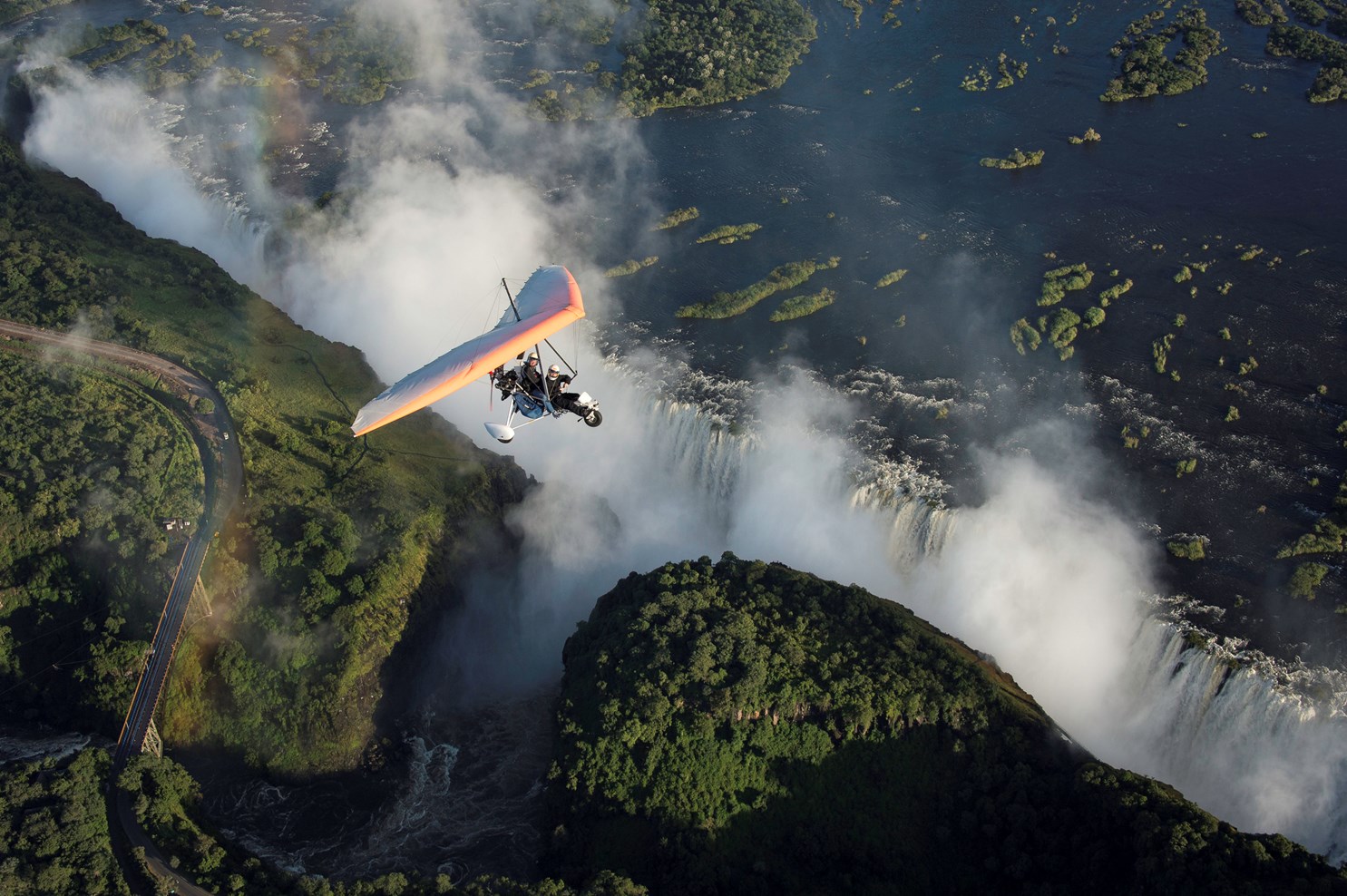
The Blyde River Canyon, located in Mpumalanga province, is one of the largest canyons in the world, and arguably one of the greenest. Unlike the arid canyons of the American Southwest, the Blyde River Canyon is lush and verdant, with subtropical vegetation clinging to its steep slopes. The canyon’s dramatic rock formations, including the iconic Three Rondavels, create a landscape of breathtaking beauty.
God’s Window: A Panoramic Vista
One of the most popular viewpoints in the Blyde River Canyon is God’s Window, where visitors can enjoy panoramic views of the canyon and the surrounding Lowveld. The view stretches for miles, encompassing rolling hills, forested valleys, and the distant plains. The canyon’s diverse flora and fauna, including rare bird species and elusive primates, add to the allure of this natural wonder.
A Rugged Coastal Paradise
The Wild Coast, a stretch of coastline in the Eastern Cape, is a place of untamed beauty, where rolling hills meet the crashing waves of the Indian Ocean. Its rugged cliffs, secluded beaches, and traditional Xhosa villages create a unique and captivating atmosphere. The Wild Coast is a haven for hikers, surfers, and those seeking a connection with nature.
Hole in the Wall: A Natural Arch
One of the most iconic landmarks on the Wild Coast is the Hole in the Wall, a natural arch that stands majestically in the sea. The arch, formed by the relentless pounding of the waves, is a testament to the power of nature. The Wild Coast’s diverse marine life, including dolphins, whales, and sharks, adds to the allure of this coastal paradise.
A Labyrinth of Limestone
The Cango Caves, located in the Swartberg Mountains of the Western Cape, are a series of spectacular limestone caves that have been sculpted by water over millions of years. Its chambers are adorned with stalactites, stalagmites, and other fascinating formations, creating a subterranean wonderland. The caves are a popular tourist attraction, offering guided tours that reveal the history and geology of this natural marvel.
The Grand Hall: A Cathedral of Stone
One of the most impressive chambers in the Cango Caves is the Grand Hall, a vast cavern adorned with towering stalactites and stalagmites. The hall’s acoustics are remarkable, making it a popular venue for concerts and events. The caves’ diverse formations, including the “Dripping Madonna” and “Lot’s Wife,” are a testament to the creative power of nature.
A Desert in Bloom
The Namaqualand region, located in the Northern Cape, is a semi-desert landscape that transforms into a floral wonderland during the spring flower season. After the winter rains, the arid landscape bursts into a riot of color, with millions of wildflowers carpeting the plains. The Namaqualand flower season is a spectacle that attracts visitors from around the world.
A Tapestry of Color
The Namaqualand flower season is a testament to the resilience of nature. The region’s diverse flora, including daisies, succulents, and aloes, creates a tapestry of color that stretches as far as the eye can see. The flowers attract a variety of pollinators, including bees, butterflies, and birds, creating a vibrant ecosystem.
A Geological Marvel
The Bourke’s Luck Potholes, located along the Blyde River Canyon, are a series of cylindrical potholes that have been sculpted by the swirling waters of the Treur River. The potholes, formed by the abrasive action of sand and pebbles carried by the river, are a testament to the power of erosion.
A Kaleidoscope of Color
The Bourke’s Luck Potholes are a kaleidoscope of color, with the swirling waters reflecting the hues of the surrounding rocks and vegetation. The potholes’ diverse shapes and sizes, ranging from small pools to large cylinders, create a fascinating geological landscape. The potholes are a popular tourist attraction, offering walkways and viewing platforms that provide stunning views of this natural wonder.
A Force of Nature
The Augrabies Falls, located on the Orange River in the Northern Cape, are a series of powerful waterfalls that plunge into a deep gorge. The falls, named after the Khoi word “Aukoerebis,” meaning “place of great noise,” are a testament to the power of water. The Augrabies Falls are a spectacular sight, especially during the rainy season when the river is in full flow.
Moonbows and Desert Landscapes
The Augrabies Falls National Park offers a variety of hiking trails and viewpoints that provide stunning views of the falls and the surrounding desert landscape. The park is also home to a diverse array of wildlife, including klipspringer, springbok, and black eagles. The falls are known for the rare phenomenon of moonbows, which occur when moonlight refracts through the mist of the falls.
South Africa’s natural wonders are a testament to the country’s diverse landscapes and rich biodiversity. From the towering peaks of the Drakensberg to the subterranean wonders of the Cango Caves, these natural marvels offer a symphony of experiences for the traveler seeking adventure and connection with nature. The country’s commitment to conservation ensures that these treasures will continue to inspire and amaze for generations to come.


