
Embracing the Emerald Embrace: Eco-tourism Adventures Near Saputara
Saputara, Gujarat’s sole hill station, is a haven of verdant landscapes and tranquil vistas. While its established attractions draw crowds, the surrounding region offers a wealth of eco-tourism experiences for those seeking a deeper connection with nature. This article delves into the diverse opportunities for sustainable travel near Saputara, highlighting the importance of responsible tourism and the unique ecosystems that thrive in this region.
Saputara is nestled within the Dang district, a region characterized by its dense forests, cascading waterfalls, and rich tribal heritage. The Dang forests, primarily deciduous, are a vital biodiversity hotspot, home to a variety of flora and fauna. Exploring these forests responsibly is the cornerstone of eco-tourism in this area.
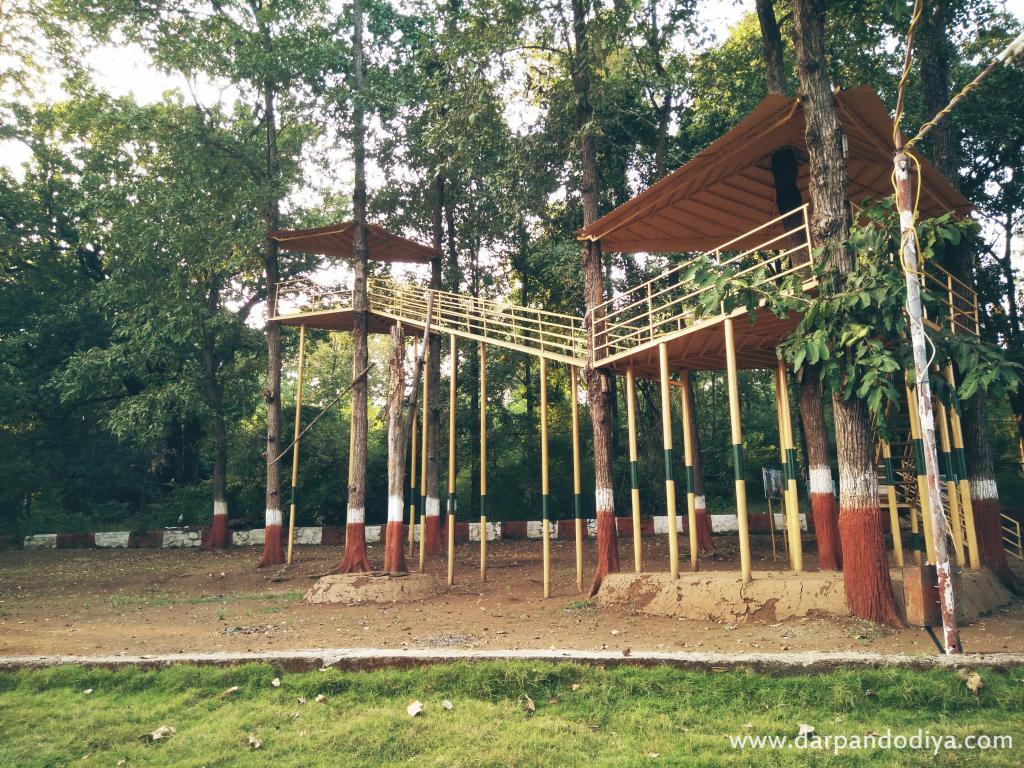
Trekking and Hiking Through Untouched Trails:
The undulating terrain surrounding Saputara offers numerous trekking and hiking opportunities. From gentle strolls through shaded trails to challenging ascents, there’s something for every level of adventurer.
The Purna Wildlife Sanctuary Exploration:
A short drive from Saputara, the Purna Wildlife Sanctuary presents an unparalleled opportunity to witness the region’s diverse wildlife. Home to leopards, hyenas, wild boars, and a plethora of avian species, the sanctuary offers guided safaris and nature walks. These experiences are conducted with a focus on minimizing disturbance to the animals and their habitat.
The Vanil Van Eco-Campsite Experience:
For an immersive experience, consider a stay at the Vanil Van Eco-Campsite. Located deep within the Dang forests, this campsite operates on sustainable principles, utilizing solar energy and promoting waste reduction. Visitors can participate in activities like birdwatching, nature walks, and interactions with local tribal communities.
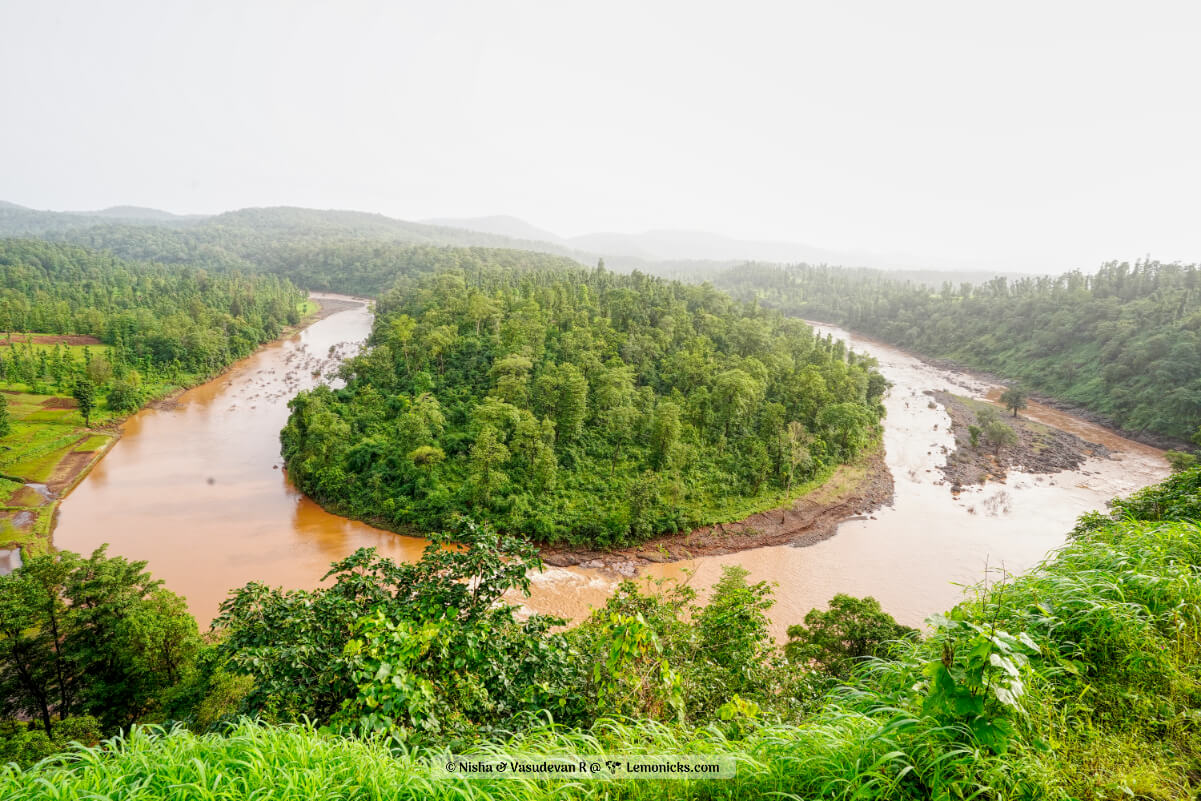
The monsoon season transforms the landscape around Saputara, bringing life to numerous waterfalls and streams. These water bodies are not only visually stunning but also play a crucial role in the region’s ecosystem.
Gira Falls: A Cascading Spectacle:
Gira Falls, a magnificent waterfall plunging from a height of approximately 30 meters, is a popular attraction. However, responsible tourism dictates that visitors should avoid littering and maintain a safe distance from the falls.
The Unexplored Beauty of Unai Hot Springs:
Unai, a small village near Saputara, is known for its natural hot springs. Believed to possess medicinal properties, these springs offer a unique opportunity for relaxation. Local communities have developed sustainable practices around the springs, ensuring their preservation.
The Saputara Lake’s Ecosystem:
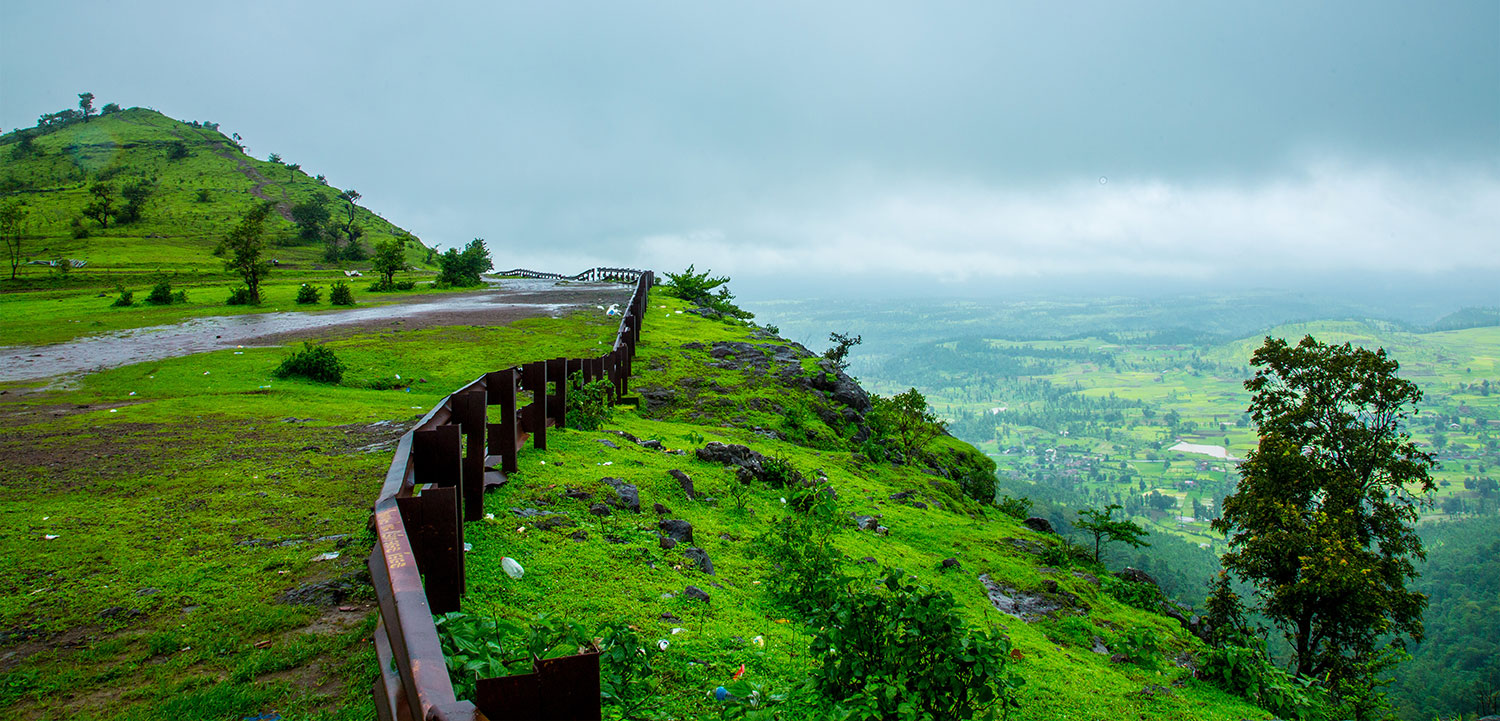
While a popular tourist spot, Saputara Lake also serves as an important ecosystem. Responsible boating practices and waste management are essential to maintain the lake’s health.
The Dang district is home to several tribal communities, including the Bhils, Warlis, and Konkanas. Their rich cultural heritage, deeply intertwined with nature, offers a unique perspective on sustainable living.
Village Homestays: Experiencing Authentic Tribal Life:
Several villages near Saputara offer homestay experiences, allowing visitors to immerse themselves in the local culture. These homestays provide an opportunity to learn about traditional farming practices, folk art, and tribal customs.
Visiting Tribal Markets: Supporting Local Artisans:
The weekly tribal markets, known as “haats,” are vibrant hubs of activity. These markets showcase the craftsmanship of local artisans, offering a range of handmade products, including bamboo crafts, pottery, and traditional textiles. Supporting these artisans directly contributes to the local economy.
Understanding Tribal Forest Management Practices:
The tribal communities of Dang have a deep understanding of forest management, utilizing traditional knowledge to sustainably harvest resources. Learning about these practices can provide valuable insights into conservation efforts.
Eco-tourism is not just about visiting natural sites; it’s about minimizing our impact on the environment and contributing to the well-being of local communities.
Choosing Eco-Friendly Accommodation:
Opt for accommodations that prioritize sustainability, such as eco-lodges or homestays that utilize renewable energy, conserve water, and minimize waste.
Supporting Local Businesses and Guides:
Engage with local guides and businesses that adhere to responsible tourism practices. This ensures that tourism benefits the local economy and supports conservation efforts.
Minimizing Waste and Plastic Usage:
Carry reusable water bottles, bags, and containers to reduce plastic waste. Dispose of waste responsibly and avoid littering.
Respecting Wildlife and Natural Habitats:
Maintain a safe distance from wildlife, avoid feeding animals, and refrain from disturbing their natural habitats. Stay on designated trails and avoid venturing into sensitive areas.
Learning About Local Culture and Traditions:
Engage with local communities respectfully, learn about their customs and traditions, and support their efforts to preserve their cultural heritage.
Eco-tourism plays a crucial role in raising awareness about the importance of conservation. By experiencing the beauty of nature firsthand, visitors are more likely to appreciate its value and support efforts to protect it.
Participating in Tree Plantation Drives:
Several organizations in the region organize tree plantation drives to restore degraded forest areas. Participating in these initiatives can contribute to reforestation efforts.
Supporting Local Conservation Organizations:
Contribute to local organizations that work towards wildlife conservation and environmental protection.
Educating Others About Eco-Tourism:
Share your experiences with friends and family, and encourage them to adopt responsible tourism practices.
The future of eco-tourism near Saputara depends on the collective efforts of tourists, local communities, and government agencies. By embracing sustainable practices, respecting local cultures, and supporting conservation initiatives, we can ensure that this beautiful region remains a haven for nature lovers for generations to come. The delicate balance of the ecosystem and the rich cultural heritage of the Dang people must be preserved. By choosing eco-tourism, we’re not just taking a vacation, we’re investing in a more sustainable and responsible future. This area offers an escape into nature, and a chance to truly connect with the earth. By embracing responsible travel, we can ensure that the emerald embrace of Saputara and its surrounding regions continues to thrive.


