
Odisha’s Untapped Emerald: A Deep Dive into Eco-tourism
Odisha, a state nestled on India’s eastern coast, is a treasure trove of natural wonders. Beyond its renowned temples and rich cultural heritage, lies a realm of pristine ecosystems, offering unparalleled opportunities for eco-tourism. From mangrove forests teeming with wildlife to serene beaches and verdant hills, Odisha presents a unique blend of adventure and tranquility, all while promoting sustainable travel practices. This article delves into the diverse facets of Odisha’s eco-tourism potential, exploring its key destinations, initiatives, and the challenges it faces.
Odisha’s commitment to eco-tourism is rooted in its recognition of the delicate balance between environmental preservation and economic development. The state government, in collaboration with local communities and NGOs, has been actively promoting sustainable tourism practices, aiming to minimize the ecological footprint while maximizing the benefits for local populations. This approach not only safeguards the state’s natural resources but also empowers communities through livelihood opportunities linked to conservation.
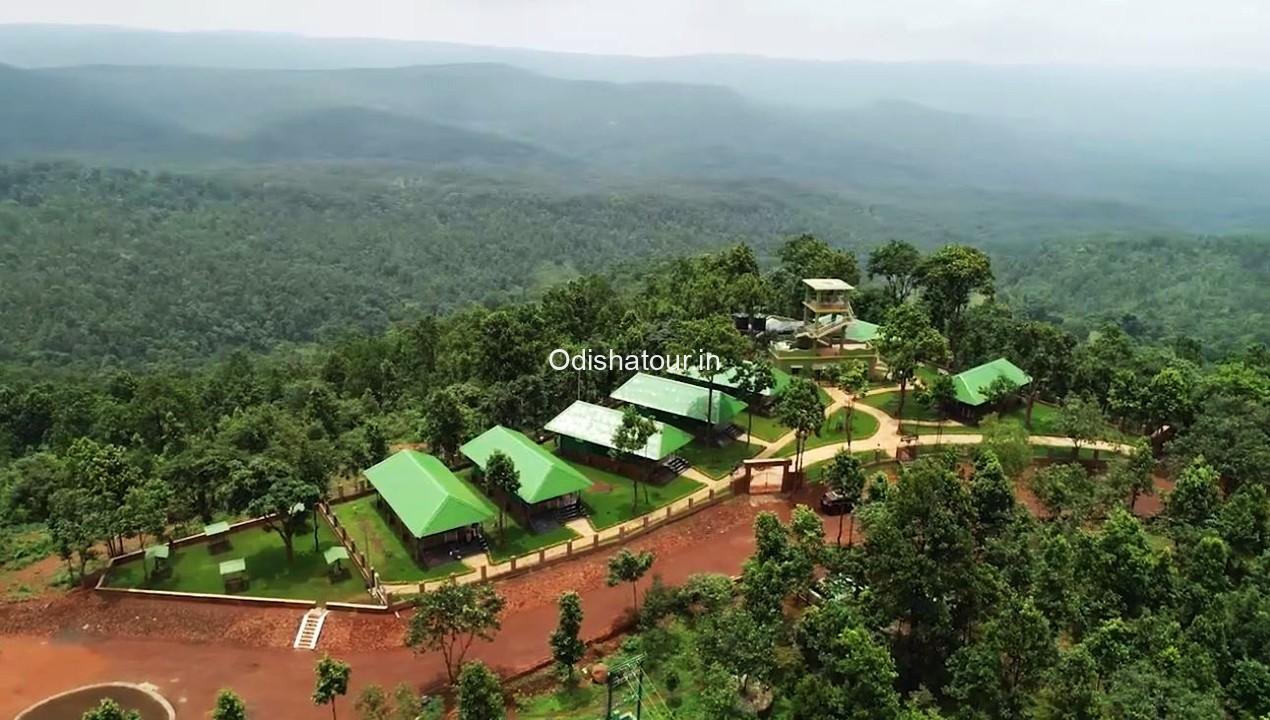
Bhitarkanika National Park: A Mangrove Wonderland
Bhitarkanika National Park, a Ramsar wetland of international importance, stands as a prime example of Odisha’s ecological richness. Spanning over 672 square kilometers, this mangrove ecosystem is home to India’s second-largest mangrove forest, offering a sanctuary for diverse flora and fauna.
Saltwater Crocodiles: Apex Predators of the Mangroves
The park is renowned for its large population of saltwater crocodiles, the largest reptiles on earth. Visitors can embark on boat safaris along the creeks and rivers, witnessing these magnificent creatures in their natural habitat.
Olive Ridley Turtles: A Mass Nesting Spectacle
Gahirmatha Beach, located within Bhitarkanika, is the world’s largest nesting site for Olive Ridley sea turtles. Every year, thousands of these endangered turtles arrive on the beach for mass nesting, known as “arribada,” creating a mesmerizing spectacle.
Birdwatching Paradise: Avian Diversity
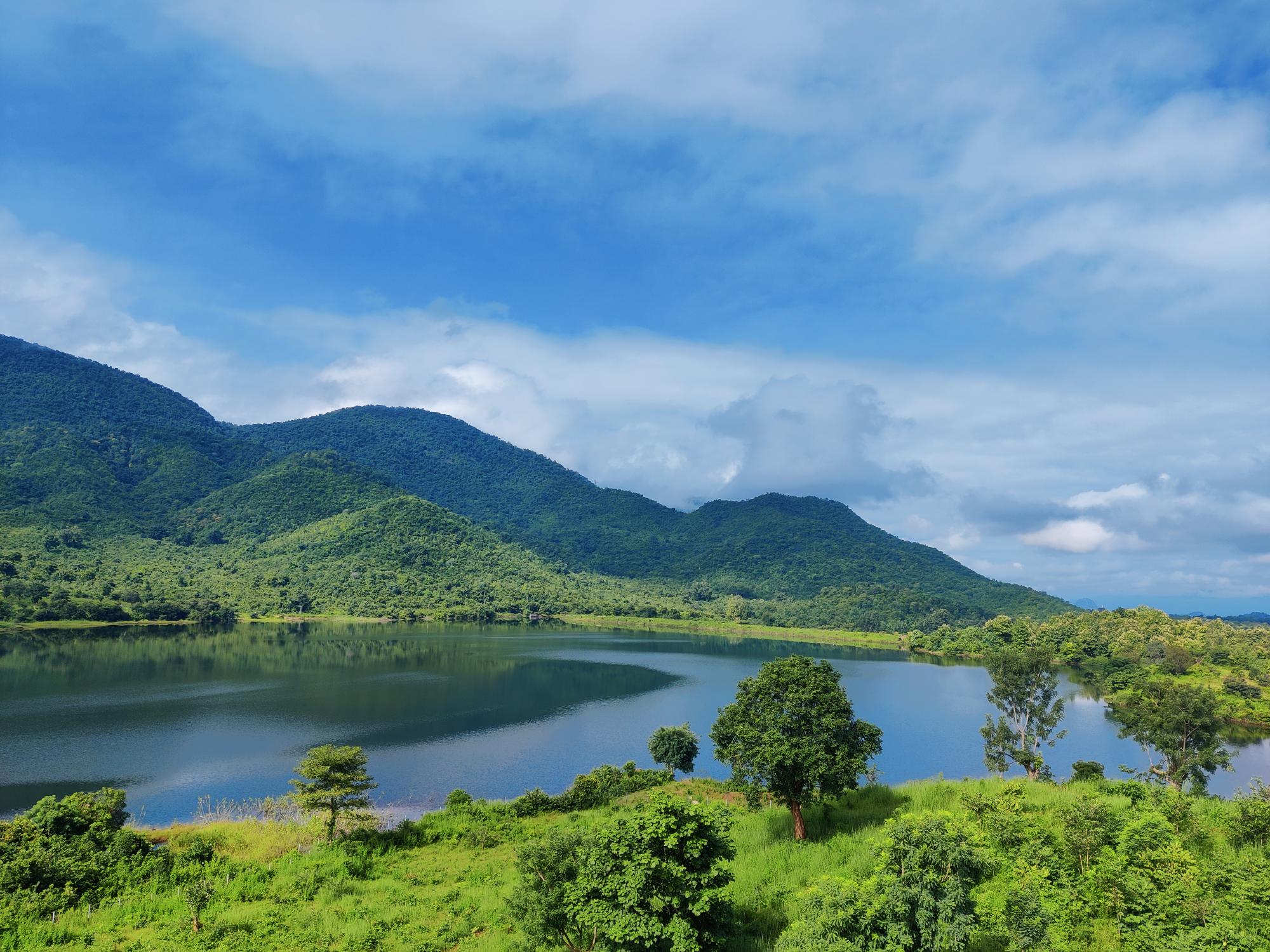
Bhitarkanika is a haven for birdwatchers, boasting over 215 species of birds, including migratory waterfowls, kingfishers, and eagles. The park’s diverse habitats, ranging from mangroves to mudflats, provide ideal conditions for avian life.
Chilika Lake: Asia’s Largest Brackish Water Lagoon
Chilika Lake, another Ramsar site, is a sprawling lagoon dotted with islands and rich in biodiversity. It is a vital habitat for migratory birds, including flamingos, pelicans, and terns.
Irrawaddy Dolphins: A Unique Aquatic Encounter
Chilika is one of the few places in the world where Irrawaddy dolphins can be spotted. Boat safaris offer the chance to witness these gentle creatures in their natural environment.
Islands of Chilika: Natural and Cultural Heritage
The lake’s islands, such as Nalabana Bird Sanctuary and Kalijai Temple Island, offer unique experiences, combining natural beauty with cultural significance.
Beaches of Odisha: Serenity and Sustainability
Odisha’s coastline is adorned with pristine beaches, offering a tranquil escape from urban life. Eco-tourism initiatives focus on promoting responsible beach tourism, emphasizing cleanliness, waste management, and community involvement.
Puri and Konark: Beyond the Temples
While renowned for their temples, Puri and Konark also offer opportunities for eco-tourism. Beach clean-up drives, turtle conservation programs, and awareness campaigns are integral to promoting sustainable tourism in these areas.
Chandipur Beach: A Vanishing Wonder
Chandipur Beach is unique for its “vanishing” phenomenon, where the sea recedes several kilometers during low tide, revealing the seabed. This natural spectacle attracts tourists and offers opportunities for marine exploration.
Simlipal National Park: A Biodiversity Hotspot
Simlipal National Park, a UNESCO Biosphere Reserve, is a vast expanse of forests, waterfalls, and meadows, home to a rich array of flora and fauna.
Royal Bengal Tigers and Asian Elephants: Majestic Inhabitants
Simlipal is a tiger reserve, providing habitat for the majestic Royal Bengal tiger. The park also boasts a significant population of Asian elephants, adding to its wildlife appeal.
Waterfalls and Scenic Landscapes: Natural Splendor
The park is dotted with picturesque waterfalls, such as Joranda and Barehipani, and offers breathtaking views of the Eastern Ghats.
Satkosia Gorge Sanctuary: A Riverine Paradise
Satkosia Gorge Sanctuary, situated along the Mahanadi River, is a haven for nature enthusiasts. The gorge’s deep forests, rocky cliffs, and riverine ecosystems support a diverse range of wildlife.
Gharial and Freshwater Turtles: Aquatic Conservation
Satkosia is a crucial habitat for endangered gharials and freshwater turtles. Conservation efforts focus on protecting these species and their habitats.
Debrigarh Wildlife Sanctuary: A Historic Haven
Debrigarh Wildlife Sanctuary, located near the Hirakud Dam, is known for its scenic beauty and historical significance. The sanctuary played a role in the Sambalpur Revolt of 1857.
Dry Deciduous Forests: Diverse Flora and Fauna
Debrigarh’s dry deciduous forests provide habitat for a variety of wildlife, including leopards, sloth bears, and deer.
Daringbadi: Odisha’s Kashmir
Daringbadi, a hill station in the Kandhamal district, is known for its cool climate and scenic landscapes. The region’s coffee plantations, pine forests, and waterfalls offer a refreshing escape.
Tribal Culture and Traditions: Indigenous Heritage
Kandhamal is home to various tribal communities, offering opportunities for cultural tourism. Visitors can learn about their unique traditions, customs, and art forms.
Community-Based Eco-Tourism: Empowering Local Populations
Odisha’s eco-tourism initiatives emphasize community participation, ensuring that local communities benefit from tourism activities. This approach promotes sustainable livelihoods and fosters a sense of ownership in conservation efforts.
Eco-Development Committees: Grassroots Conservation
Eco-development committees, comprising local residents, play a crucial role in managing eco-tourism activities and implementing conservation measures.
Homestays and Local Guides: Authentic Experiences
Homestays and local guides provide visitors with authentic experiences, allowing them to immerse themselves in the local culture and environment.
Awareness Campaigns and Education Programs: Promoting Responsible Tourism
The state government and NGOs conduct awareness campaigns and education programs to promote responsible tourism practices among tourists and local communities.
Balancing Tourism and Conservation: Sustainable Growth
One of the key challenges is to balance the growth of tourism with the need to conserve natural resources. Sustainable tourism practices, such as limiting tourist numbers and promoting eco-friendly infrastructure, are crucial.
Infrastructure Development: Enhancing Accessibility
Improving infrastructure, such as roads and accommodation facilities, is essential to enhance accessibility to eco-tourism destinations. However, development must be carried out in a sustainable manner, minimizing environmental impact.
Awareness and Marketing: Promoting Odisha’s Eco-Tourism Potential
Raising awareness about Odisha’s eco-tourism potential among domestic and international tourists is crucial. Effective marketing strategies and promotional campaigns can help attract more visitors.
Climate Change Impacts: Adapting to Changing Environments
Climate change poses a significant threat to Odisha’s ecosystems, including coastal areas and forests. Adapting to these changes through conservation measures and sustainable development practices is essential.
Odisha’s eco-tourism sector holds immense potential for sustainable development, offering a unique blend of natural beauty, cultural heritage, and wildlife encounters. By prioritizing conservation, community involvement, and responsible tourism practices, Odisha can ensure that its natural treasures are preserved for future generations. The state’s commitment to eco-tourism not only safeguards its ecosystems but also empowers local communities, fostering a harmonious relationship between people and nature. Through continued efforts and collaborative initiatives, Odisha can emerge as a leading eco-tourism destination, showcasing the beauty and importance of sustainable travel.


