
Navigating Aotearoa’s Green Heart: A Deep Dive into Eco-tourism in New Zealand
New Zealand, or Aotearoa in Māori, stands as a beacon of pristine natural beauty. From towering snow-capped mountains and shimmering fjords to lush rainforests and geothermal wonders, its landscapes are a testament to the power of nature. This inherent beauty, coupled with a growing global awareness of environmental responsibility, has propelled eco-tourism to the forefront of New Zealand’s travel industry. But what exactly does eco-tourism mean in the context of Aotearoa, and how can travelers ensure their journeys are truly sustainable? Let’s delve into the intricacies of this vital sector.
Eco-tourism, at its core, is about responsible travel to natural areas that conserves the environment and improves the well-being of local people. In New Zealand, this translates to a commitment to:
Protecting Native Flora and Fauna
New Zealand’s unique biodiversity, including iconic species like the kiwi, kea, and tuatara, is under constant threat from introduced pests and habitat loss. Eco-tourism initiatives play a crucial role in conservation efforts, often involving:
Pest Control: Supporting tours that contribute to or actively participate in predator trapping and eradication programs.
Respecting Māori Culture and Values
The Māori worldview, deeply intertwined with the natural world, emphasizes the concept of “kaitiakitanga” – guardianship and stewardship of the environment. Eco-tourism operators are increasingly incorporating Māori cultural perspectives, ensuring:
Authentic Cultural Experiences: Engaging with Māori guides who share their knowledge of local history, traditions, and ecological wisdom.
Minimizing Environmental Impact

Reducing the carbon footprint and minimizing waste are paramount in eco-tourism. This involves:
Sustainable Transportation: Opting for public transport, cycling, or walking whenever possible. Choosing eco-certified tour operators that utilize fuel-efficient vehicles or electric boats.
Contributing to Local Communities
Eco-tourism should benefit the communities that host it, providing economic opportunities and fostering cultural exchange. This can be achieved by:
Supporting Local Businesses: Choosing locally owned accommodations, restaurants, and tour operators.
New Zealand offers a plethora of eco-tourism experiences across its North and South Islands. Here are a few highlights:
North Island: Geothermal Wonders and Cultural Immersion
Rotorua: A Geothermal Wonderland
Rotorua is renowned for its geothermal activity, with bubbling mud pools, steaming geysers, and vibrant silica terraces. Eco-tourism opportunities include:
Visiting geothermal parks that prioritize conservation and cultural preservation.
Waitomo Caves: Glowworms and Underground Adventures
The Waitomo Caves are famous for their mesmerizing glowworm displays. Eco-tourism initiatives focus on:
Minimizing disturbance to the fragile cave ecosystem.
Great Barrier Island: A Sanctuary of Biodiversity
Great Barrier Island, a designated Dark Sky Sanctuary, is a haven for nature lovers. Eco-tourism experiences include:
Hiking through pristine forests and observing native birdlife.
South Island: Alpine Landscapes and Marine Encounters
Fiordland National Park: Fjords and Rainforests
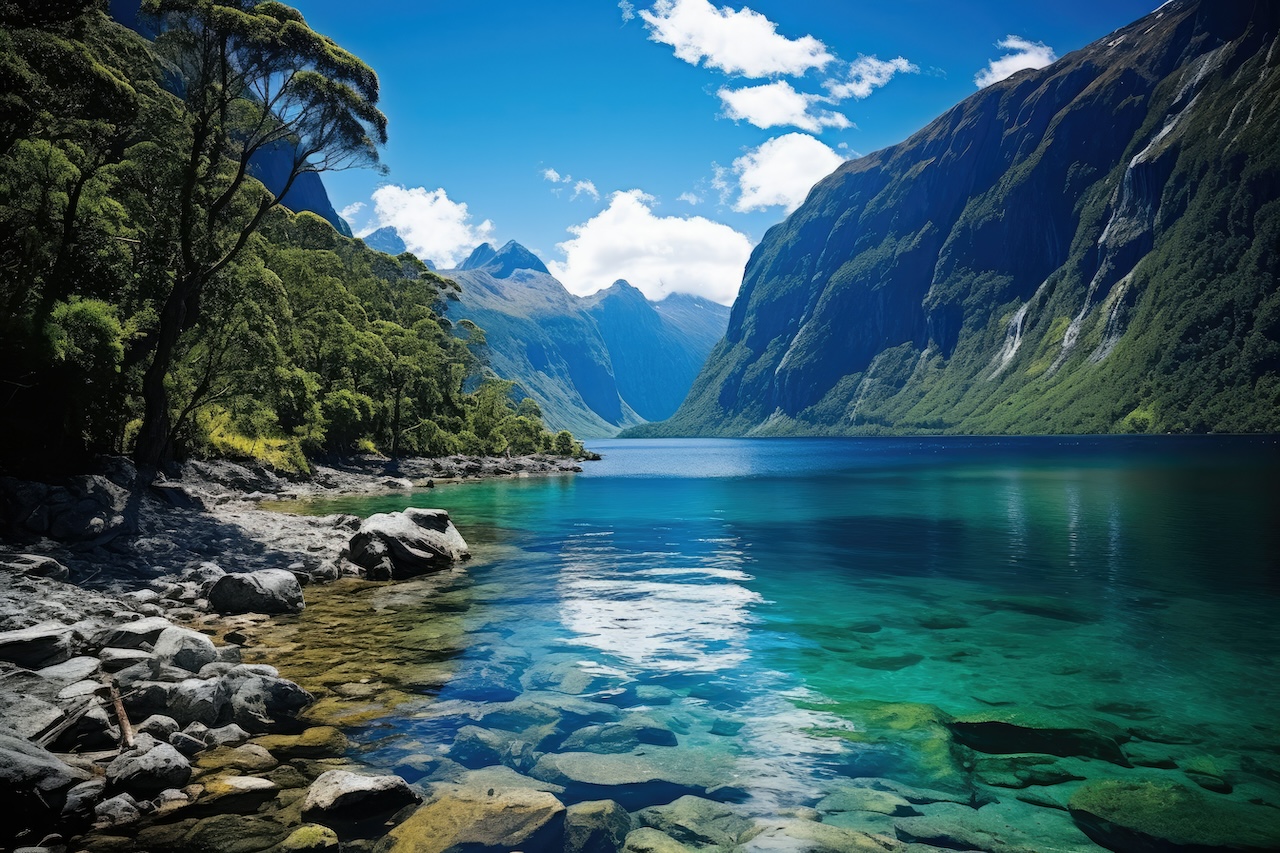
Fiordland National Park, a UNESCO World Heritage Site, boasts dramatic fjords, towering waterfalls, and lush rainforests. Eco-tourism activities include:
Kayaking or cruising through Milford Sound or Doubtful Sound.
Kaikōura: Whale Watching and Marine Conservation
Kaikōura is a prime destination for whale watching and marine wildlife encounters. Eco-tourism initiatives focus on:
Responsible whale and dolphin watching practices that minimize disturbance.
Abel Tasman National Park: Golden Beaches and Coastal Trails
Abel Tasman National Park is known for its golden beaches, turquoise waters, and coastal trails. Eco-tourism experiences include:
Kayaking or walking along the Abel Tasman Coast Track.
Stewart Island/Rakiura: A Birdwatcher’s Paradise
Stewart Island, or Rakiura, is a sanctuary for native birdlife, including kiwi and kākāpō. Eco-tourism initiatives focus on:
Supporting predator control programs that protect endangered bird species.
To ensure your journey to Aotearoa is truly sustainable, consider these tips:
Plan Ahead and Do Your Research
Choose eco-certified tour operators and accommodations.
Travel Responsibly
Minimize your carbon footprint by choosing sustainable transportation options.
Support Local Communities
Purchase locally made products and services.
Be a Conscious Consumer
Choose products that are made from sustainable materials.
Eco-tourism is not just a trend in New Zealand; it’s a fundamental part of the country’s identity. As awareness of environmental issues continues to grow, so will the demand for responsible and sustainable travel experiences. By embracing the principles of eco-tourism, travelers can contribute to the preservation of Aotearoa’s natural and cultural heritage, ensuring that future generations can also experience the magic of this extraordinary land.
By making conscious choices and embracing the spirit of kaitiakitanga, visitors can play a vital role in safeguarding New Zealand’s natural treasures and supporting the communities that call it home. The journey towards a truly sustainable tourism industry is ongoing, but with collective effort and a shared commitment to environmental responsibility, Aotearoa can continue to shine as a global leader in eco-tourism.


