
The Untamed Heart of Southeast Asia: Exploring Eco-tourism in Laos
Laos, a landlocked nation nestled in the heart of Southeast Asia, is a treasure trove of natural beauty and cultural richness. Often overlooked by the bustling tourist trails of its neighbors, Laos offers a unique and authentic experience for travelers seeking a deeper connection with nature and local communities. In recent years, eco-tourism has emerged as a crucial component of Laos’s sustainable development, offering visitors the chance to explore its pristine landscapes while contributing to the preservation of its fragile ecosystems and the well-being of its people.
Eco-tourism in Laos goes beyond simply visiting natural attractions. It embodies a commitment to responsible travel, emphasizing minimal environmental impact, cultural sensitivity, and direct benefits for local communities. This approach aims to:

Protect Natural Resources: Conserve Laos’s biodiversity, including its lush rainforests, cascading waterfalls, and diverse wildlife.
Laos boasts a diverse range of natural attractions, offering ample opportunities for eco-tourism adventures.
The Majestic Waterfalls of Luang Prabang
Luang Prabang, a UNESCO World Heritage city, is not only renowned for its cultural significance but also for its stunning natural surroundings. The Kuang Si Falls, with its turquoise pools and cascading tiers, are a must-see. Visitors can trek through the surrounding forest, swim in the refreshing waters, and learn about the local flora and fauna. The Tad Sae Waterfalls offer a different experience, with elephant encounters and boat trips adding to the adventure. Responsible elephant tourism is a key factor in the development of ecotourism in Laos.
The Biodiversity Hotspot of Phou Hin Poun National Protected Area
.jpg "image.title")
This vast protected area in central Laos is a haven for wildlife enthusiasts. It encompasses limestone karst landscapes, dense forests, and the famous Kong Lor Cave, a spectacular underground river system. Trekking, kayaking, and caving are popular activities, allowing visitors to immerse themselves in the region’s natural beauty. The area is home to rare species, and the local communities are actively involved in conservation efforts.
The Mekong River: A Lifeline of Laos
The Mekong River, flowing through the heart of Laos, is a vital artery for transportation, trade, and sustenance. Eco-tourism initiatives along the Mekong focus on responsible river cruises, homestays in riverside villages, and wildlife spotting. Visitors can observe Irrawaddy dolphins, explore remote islands, and learn about the traditional fishing practices of local communities.
Northern Laos: Trekking and Cultural Immersion
The northern provinces of Laos, such as Phongsaly and Luang Namtha, offer excellent trekking opportunities. Visitors can explore remote villages, stay with ethnic minority communities, and learn about their unique customs and traditions. Eco-tourism projects in these areas prioritize community-based tourism, ensuring that local people directly benefit from tourism activities.
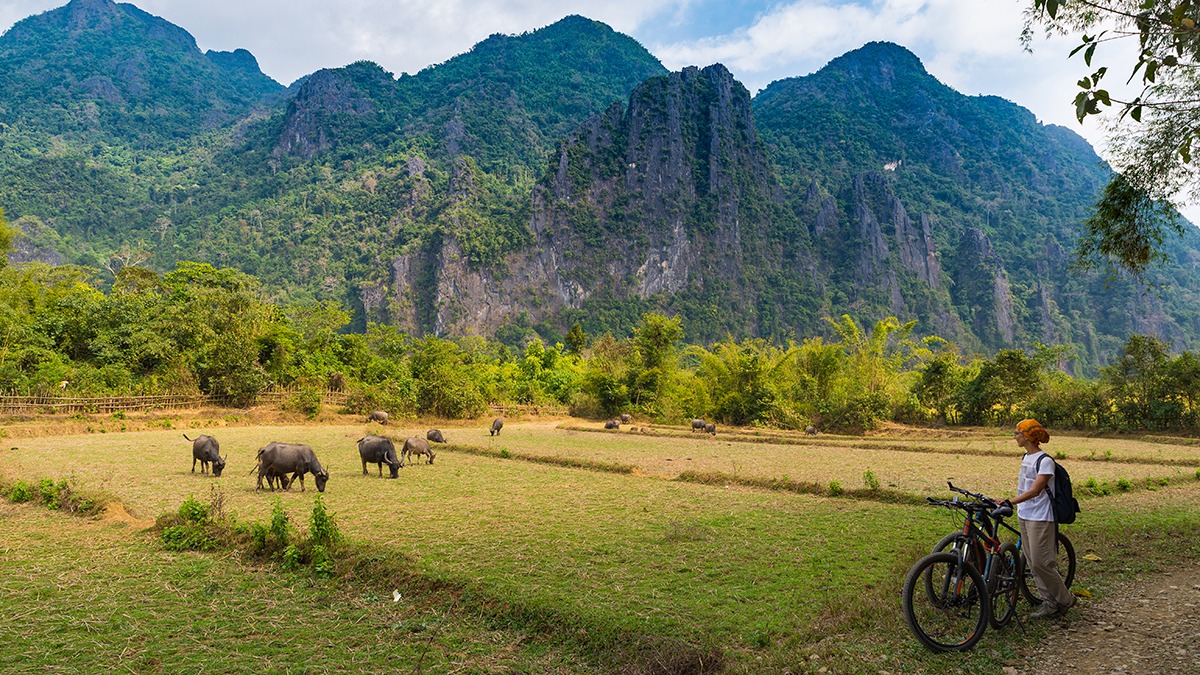
Community-based tourism (CBT) is a cornerstone of eco-tourism in Laos. It involves local communities in all aspects of tourism development, from planning and management to guiding and accommodation. CBT initiatives aim to:
Provide Economic Opportunities
CBT projects create jobs and generate income for local communities, reducing poverty and promoting sustainable livelihoods. Homestays, guided tours, and handicrafts production are some of the ways communities benefit from tourism.
Preserve Cultural Heritage
CBT empowers communities to showcase their unique cultural traditions, such as traditional music, dance, and crafts. This helps to preserve cultural heritage and prevent its erosion due to modernization.
Promote Environmental Stewardship
CBT encourages communities to become stewards of their natural resources. Local people are actively involved in conservation efforts, such as forest protection and waste management.
Laos is home to a diverse range of wildlife, including elephants, gibbons, and bears. However, wildlife tourism must be conducted responsibly to ensure the well-being of animals and the preservation of their habitats.
Ethical Elephant Encounters
Elephant tourism is a popular activity in Laos, but it is crucial to choose ethical operators that prioritize the welfare of elephants. Responsible elephant sanctuaries offer opportunities to observe elephants in their natural habitat, without riding or other harmful activities.
Gibbon Experiences
The Bokeo Nature Reserve is a sanctuary for endangered gibbons. Visitors can participate in gibbon trekking tours, observing these fascinating primates in their natural environment. The reserve also supports conservation efforts and provides economic opportunities for local communities.
Supporting Conservation Efforts
Visitors can contribute to wildlife conservation by supporting organizations that work to protect endangered species and their habitats. Donations, volunteer work, and responsible tourism practices are all ways to make a positive impact.
Despite its potential, eco-tourism in Laos faces several challenges, including:
Infrastructure Development
Limited infrastructure, such as roads and transportation, can hinder access to remote areas and limit tourism development.
Capacity Building
There is a need for more training and capacity building for local communities in tourism management and service delivery.
Environmental Management
Effective environmental management is crucial to minimize the impact of tourism on fragile ecosystems.
However, there are also significant opportunities for the growth of eco-tourism in Laos:
Increasing Demand for Sustainable Travel
The growing demand for sustainable travel presents an opportunity for Laos to position itself as a leading eco-tourism destination.
Government Support
The Lao government is increasingly recognizing the importance of eco-tourism for sustainable development and is implementing policies to support its growth.
Collaboration and Partnerships
Collaboration between government agencies, NGOs, and local communities is essential for the successful development of eco-tourism.
To ensure a positive and sustainable travel experience, visitors should follow these tips:
Choose responsible tour operators that prioritize environmental and social responsibility.
Eco-tourism holds immense potential for Laos, offering a pathway to sustainable development and the preservation of its natural and cultural heritage. By embracing responsible tourism practices, visitors can contribute to the well-being of local communities and the protection of Laos’s unique environment. As Laos continues to develop its eco-tourism sector, it can serve as a model for other countries in the region, demonstrating the power of sustainable travel to create positive change.


