
“`html
Kansas: A Tapestry of Natural Wonders
Kansas: A Tapestry of Natural Wonders
Kansas, often perceived as a flat expanse of golden wheat fields, holds a surprising diversity of natural features. Beyond the iconic plains, the state boasts rolling hills, rugged canyons, crystal-clear springs, and unique geological formations. This article delves into the captivating natural landscapes that make Kansas a hidden gem for nature enthusiasts.
The Majestic Flint Hills
Perhaps the most prominent and cherished natural feature of Kansas is the Flint Hills. This expansive region, stretching across the eastern portion of the state, is characterized by its tallgrass prairie ecosystem, a remnant of a once-vast landscape. The Flint Hills are named for the abundant flint rock found just beneath the surface, which has shaped the region’s topography and vegetation. The rolling hills, interspersed with limestone outcroppings and deep ravines, create a visually stunning landscape.
Tallgrass Prairie: A Living Legacy
The heart of the Flint Hills lies in its tallgrass prairie. This unique ecosystem, dominated by grasses like big bluestem, indiangrass, and switchgrass, once covered millions of acres across North America. Today, the Flint Hills represent the largest remaining intact expanse of tallgrass prairie in the world. The prairie’s biodiversity is remarkable, supporting a wide array of plant and animal species, including bison, prairie chickens, and numerous wildflowers. The Konza Prairie Biological Station, a research facility managed by Kansas State University and The Nature Conservancy, provides invaluable insights into the ecology of this precious ecosystem.
Limestone Outcroppings and Waterways
The Flint Hills’ geology plays a crucial role in shaping its landscape. Limestone outcroppings, often exposed along hillsides and stream banks, create unique habitats for various plants and animals. The region’s waterways, such as the Cottonwood River and its tributaries, carve through the hills, forming scenic valleys and providing vital water resources. These streams support diverse aquatic life and offer opportunities for recreational activities like fishing and kayaking.
The Smoky Hills Region
Moving westward, the landscape transitions into the Smoky Hills region, characterized by its rolling hills, sandstone formations, and scenic vistas. This area, named for the hazy appearance of the hills in the morning, offers a different perspective on Kansas’s natural beauty.
Sandstone Formations: Sculpted by Time
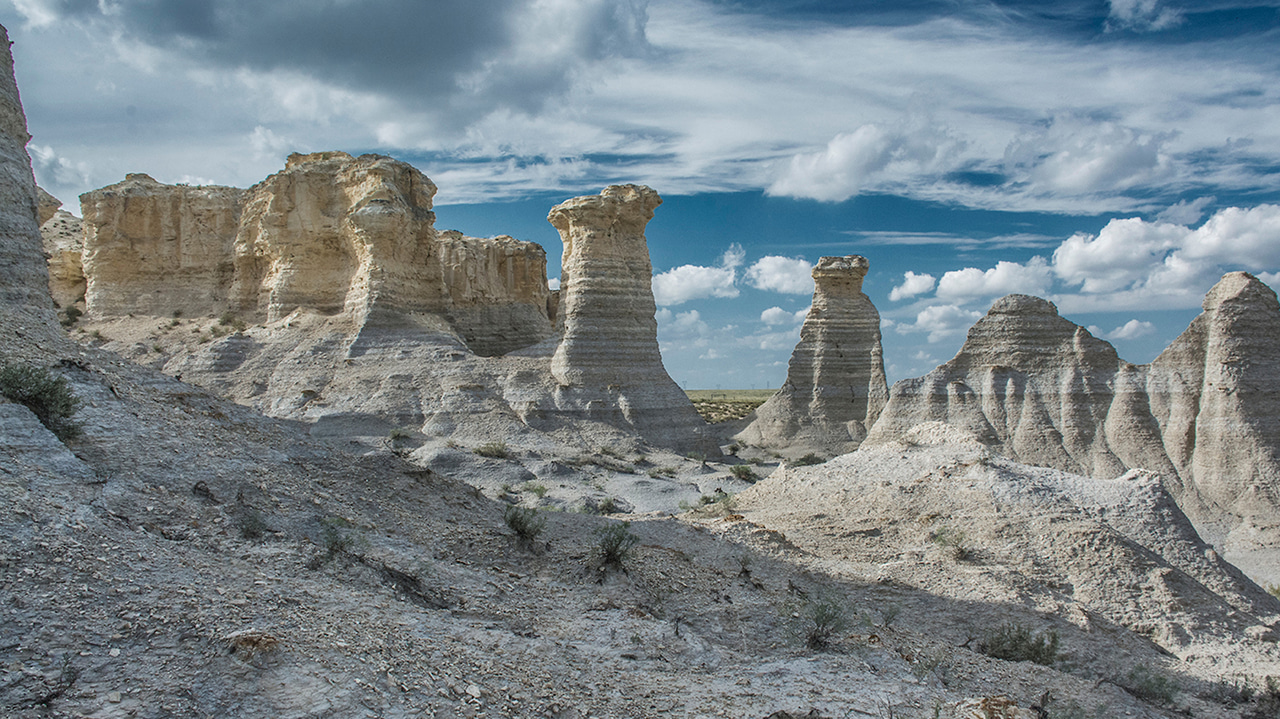
The Smoky Hills are renowned for their unique sandstone formations, sculpted by wind and water over millions of years. These formations, often resembling hoodoos and buttes, create a surreal and captivating landscape. Mushroom Rock State Park, with its iconic mushroom-shaped rocks, is a prime example of this geological artistry. The sandstone cliffs and canyons provide habitats for various wildlife and offer opportunities for hiking and exploring.
Cedar Bluff Reservoir: An Oasis in the Plains
Amidst the rolling hills of the Smoky Hills region lies Cedar Bluff Reservoir, a man-made lake that has become a vital water resource and recreational destination. The reservoir’s clear waters and scenic shoreline attract anglers, boaters, and campers. The surrounding bluffs and canyons offer hiking trails and opportunities for wildlife viewing. Cedar Bluff State Park provides facilities for camping, picnicking, and other outdoor activities, making it a popular destination for nature lovers.
The Red Hills Region
In the southwestern corner of Kansas, the Red Hills region presents a dramatic contrast to the state’s other landscapes. This area, characterized by its red shale and sandstone formations, rugged canyons, and sparse vegetation, evokes a sense of the American Southwest.
Gypsum Hills: A Colorful Landscape
The Gypsum Hills, a subset of the Red Hills, are particularly striking. These hills, named for the white gypsum deposits interbedded with the red shale, create a colorful and textured landscape. The contrast between the red earth and the white gypsum, combined with the sparse vegetation, creates a visually stunning panorama. The area’s canyons and cliffs offer opportunities for hiking and exploring, revealing hidden springs and unique geological features.
Cimarron National Grassland: A High Plains Ecosystem
Within the Red Hills region lies the Cimarron National Grassland, a vast expanse of shortgrass prairie managed by the U.S. Forest Service. This grassland, characterized by its sparse vegetation and arid climate, supports a unique assemblage of plants and animals adapted to the harsh conditions. The Cimarron River, which flows through the grassland, provides vital water resources and supports riparian habitats. The grassland offers opportunities for hiking, horseback riding, and wildlife viewing, providing a glimpse into the resilient ecosystems of the High Plains.
Springs and Waterways

Despite its reputation for arid landscapes, Kansas is home to numerous springs and waterways that provide vital water resources and support diverse ecosystems. These springs, often hidden gems tucked away in canyons and valleys, offer refreshing oases in the state’s varied landscapes.
Big Springs Ranch: A Haven of Water
Big Springs Ranch, located in the Flint Hills, is a testament to the importance of springs in Kansas. This ranch, named for its numerous springs, supports a lush riparian ecosystem along the banks of the Cottonwood River. The springs provide a constant source of fresh water, supporting diverse plant and animal life. The ranch’s scenic beauty and ecological significance make it a valuable natural resource.
The Arikaree River: A Hidden Waterway
In the northwestern corner of Kansas, the Arikaree River, a tributary of the Republican River, flows through a remote and scenic landscape. This river, often overlooked in discussions of Kansas’s natural features, supports a unique riparian ecosystem along its banks. The Arikaree River’s clear waters and sandy banks provide habitats for various aquatic species and offer opportunities for fishing and kayaking. The surrounding bluffs and canyons offer hiking trails and scenic vistas.
Unique Geological Features
Kansas’s geological history has left behind a legacy of unique formations and features that add to the state’s natural charm. From ancient fossils to unusual rock formations, these geological wonders offer insights into the state’s past and present.
Monument Rocks: Chalk Pyramids of the Plains
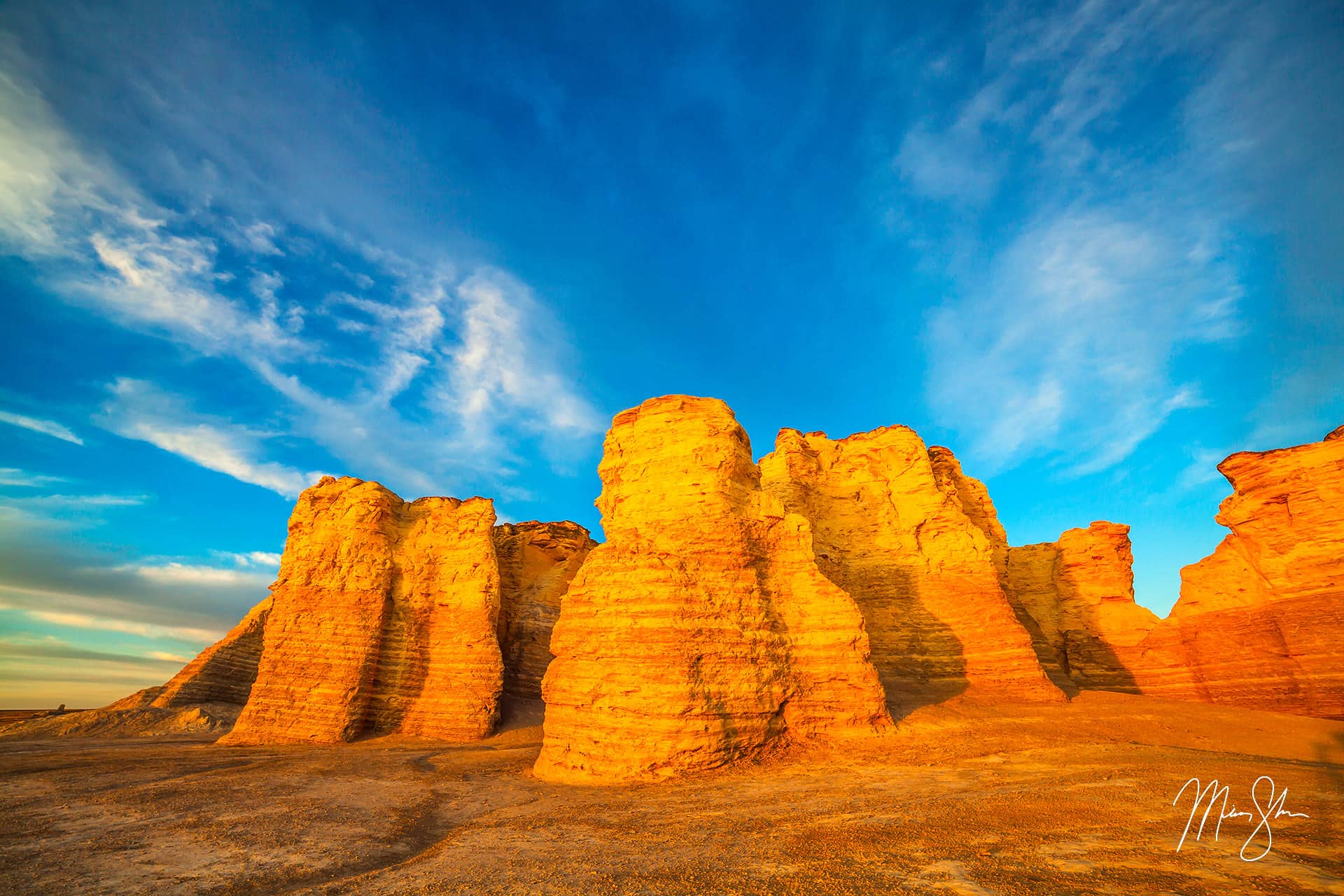
Monument Rocks, also known as the Chalk Pyramids, are a striking example of Kansas’s unique geological formations. These towering chalk formations, sculpted by wind and water over millions of years, rise dramatically from the plains. The rocks, which contain numerous fossils of marine organisms, provide a glimpse into Kansas’s ancient past when the region was covered by a vast inland sea. Monument Rocks are a designated National Natural Landmark and a popular destination for photographers and nature enthusiasts.
The Spherical Concretions of Rock City
Rock City, located near Minneapolis, Kansas, is another geological wonder. This site features numerous spherical concretions, formed by the precipitation of minerals around a central nucleus. These concretions, which range in size from a few inches to several feet in diameter, create a surreal and captivating landscape. The origin of these formations has been a subject of scientific debate, adding to their intrigue. Rock City is a designated National Natural Landmark and a popular tourist attraction.
Conclusion
Kansas, often underestimated for its natural beauty, offers a diverse array of landscapes that are both captivating and ecologically significant. From the rolling hills of the Flint Hills to the rugged canyons of the Red Hills, the state’s natural features provide habitats for a wide variety of plants and animals. The springs, waterways, and unique geological formations add to the state’s natural charm, making Kansas a hidden gem for nature enthusiasts. By exploring these natural wonders, we can gain a deeper appreciation for the beauty and resilience of Kansas’s landscapes.
“`


