
India’s Untamed Beauty: A Journey Through Natural tourism
India, a land of vibrant cultures and ancient history, also boasts a breathtaking tapestry of natural wonders. From the snow-capped peaks of the Himalayas to the sun-kissed beaches of the south, the country offers a diverse range of experiences for the nature enthusiast. This article explores the rich landscape of natural tourism in India, highlighting some of its most captivating destinations and experiences.
The Himalayas, the world’s highest mountain range, dominate India’s northern landscape. They offer a plethora of opportunities for trekking, mountaineering, and spiritual retreats.
Ladakh: A High-Altitude Desert Wonderland

Ladakh, often referred to as “Little Tibet,” is a high-altitude desert region known for its dramatic landscapes, pristine lakes, and ancient monasteries. The stark beauty of the barren mountains, punctuated by vibrant blue skies and shimmering lakes like Pangong Tso and Tso Moriri, is simply mesmerizing. Trekking routes like the Chadar Trek, which involves walking on the frozen Zanskar River, offer unparalleled adventure.
Uttarakhand: The Land of Gods
Uttarakhand, nestled in the foothills of the Himalayas, is a haven for nature lovers and spiritual seekers. The region is home to numerous pilgrimage sites, including the Char Dham (Gangotri, Yamunotri, Kedarnath, and Badrinath), and offers opportunities for white-water rafting on the Ganges, wildlife spotting in Jim Corbett National Park, and trekking to stunning viewpoints like Valley of Flowers National Park.
Himachal Pradesh: A Hill Station Paradise
Himachal Pradesh, with its lush green valleys, snow-capped peaks, and charming hill stations like Shimla, Manali, and Dharamshala, is a popular destination for those seeking respite from the heat and bustle of city life. The region offers opportunities for paragliding, skiing, and trekking, as well as exploring picturesque villages and ancient temples.
Sikkim and Darjeeling: Tea Gardens and Mountain Views
Sikkim and Darjeeling, located in the eastern Himalayas, are renowned for their tea gardens, Buddhist monasteries, and breathtaking views of Kanchenjunga, the world’s third-highest peak. Trekking routes like the Goecha La trek offer stunning panoramic views of the Himalayas.
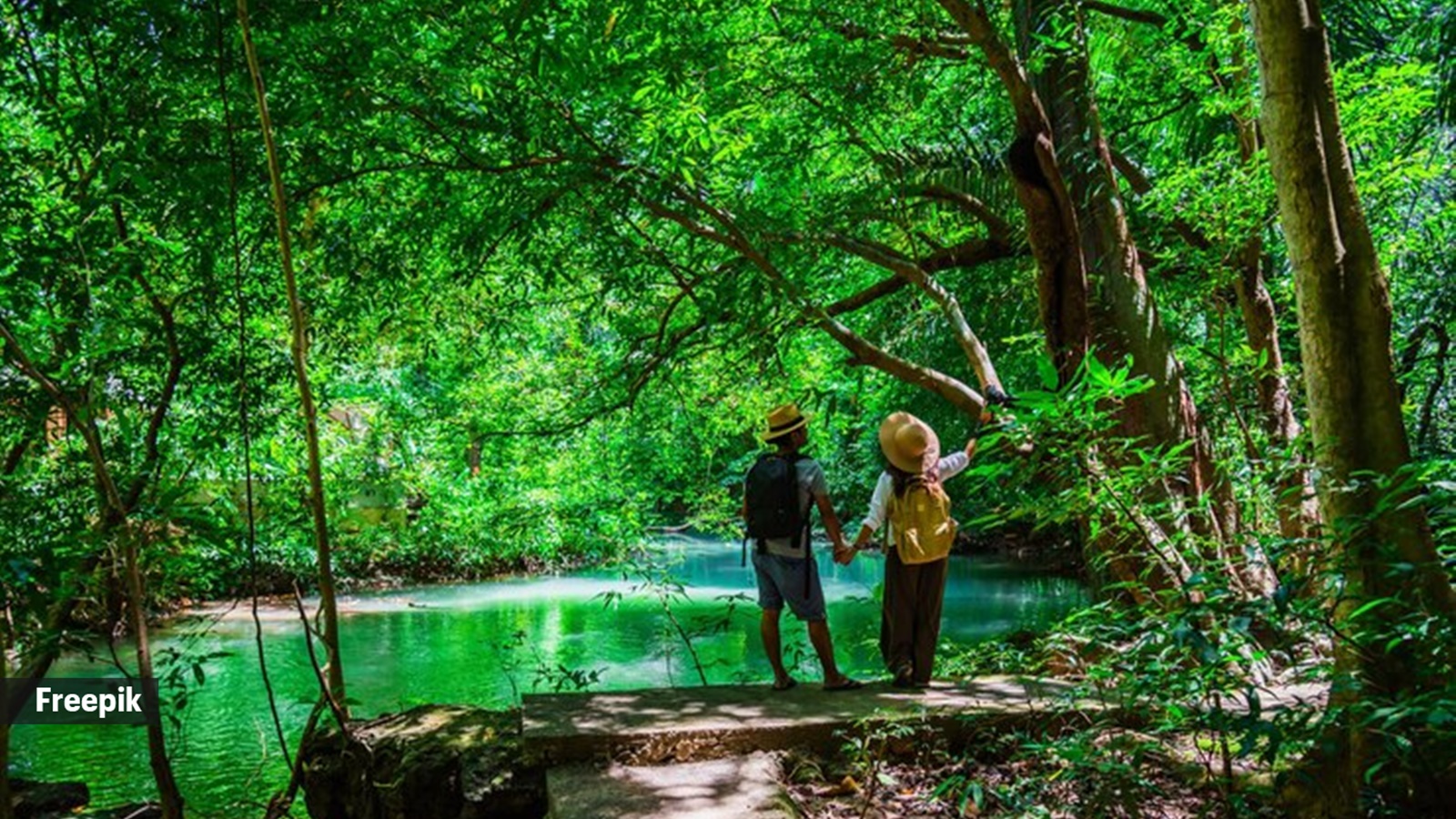
The Western Ghats, a mountain range running parallel to India’s western coast, is a UNESCO World Heritage Site and one of the world’s eight “hottest hotspots” of biological diversity.
Kerala: Backwaters and Spice Plantations
Kerala, known as “God’s Own Country,” is famous for its serene backwaters, lush green landscapes, and spice plantations. Houseboat cruises along the backwaters of Alleppey and Kumarakom offer a unique and relaxing experience. The region is also home to numerous wildlife sanctuaries and national parks, including Periyar National Park, known for its elephant and tiger populations.
Karnataka: Coffee Plantations and Waterfalls
Karnataka, with its rolling hills, coffee plantations, and cascading waterfalls, is a nature lover’s paradise. The hill stations of Coorg and Chikmagalur offer stunning views and opportunities for trekking and birdwatching. The Jog Falls, one of India’s highest waterfalls, is a must-see.
Maharashtra: Hill Stations and Coastal Beauty
Maharashtra, with its diverse landscape, offers a mix of hill stations, beaches, and wildlife sanctuaries. The hill stations of Mahabaleshwar and Lonavala offer respite from the city heat, while the beaches of Alibaug and Ganpatipule offer opportunities for relaxation and water sports. The Tadoba-Andhari Tiger Reserve is a haven for wildlife enthusiasts.
Goa: Beaches and Biodiversity
While famous for its beaches, Goa also possesses areas of significant natural beauty. The Bhagwan Mahaveer Sanctuary and Mollem National Park host a large variety of wildlife. The western ghats that border Goa also contain waterfalls and hiking trails.
India’s vast plains and plateaus offer a diverse range of natural experiences, from wildlife safaris to desert landscapes.
Rajasthan: Desert Landscapes and Wildlife
Rajasthan, known as the “Land of Kings,” is famous for its desert landscapes, forts, and palaces. The Thar Desert offers opportunities for camel safaris and exploring traditional villages. The Ranthambore National Park is a renowned tiger reserve.
Madhya Pradesh: Tiger Reserves and Ancient Caves
Madhya Pradesh, located in the heart of India, is home to numerous tiger reserves, including Bandhavgarh, Kanha, and Pench. The region also boasts ancient caves, such as the Bhimbetka rock shelters, which are a UNESCO World Heritage Site.
Gujarat: Salt Flats and Wildlife Sanctuaries
Gujarat, located on India’s western coast, is known for its salt flats, wildlife sanctuaries, and ancient temples. The Rann of Kutch, a vast salt desert, is a unique and surreal landscape. The Gir National Park is the last refuge of the Asiatic lion.
Odisha: Coastal Wetlands and Wildlife
Odisha, located on India’s eastern coast, is home to diverse ecosystems, including coastal wetlands, mangrove forests, and wildlife sanctuaries. The Chilika Lake, Asia’s largest brackish water lagoon, is a haven for migratory birds. The Bhitarkanika National Park is known for its mangrove forests and saltwater crocodiles.
India’s islands, located in the Bay of Bengal and the Arabian Sea, offer a tropical paradise of pristine beaches, coral reefs, and lush greenery.
Andaman and Nicobar Islands: Coral Reefs and Beaches
The Andaman and Nicobar Islands, located in the Bay of Bengal, are known for their pristine beaches, coral reefs, and lush rainforests. The islands offer opportunities for scuba diving, snorkeling, and exploring secluded beaches.
Lakshadweep Islands: Coral Atolls and Marine Life
The Lakshadweep Islands, located in the Arabian Sea, are a group of coral atolls known for their crystal-clear waters, vibrant coral reefs, and abundant marine life. The islands offer opportunities for snorkeling, diving, and kayaking.
As tourism to India’s natural destinations grows, it is crucial to promote responsible tourism practices that minimize environmental impact and benefit local communities. This includes:
Respecting local cultures and traditions.
By embracing responsible tourism, we can ensure that India’s natural beauty is preserved for future generations to enjoy.
India’s diverse natural landscapes offer a wealth of experiences for the nature enthusiast. From the majestic Himalayas to the serene backwaters of Kerala, the country’s natural beauty is truly awe-inspiring. By exploring these destinations responsibly, we can contribute to the preservation of India’s natural heritage and ensure that its wonders continue to inspire and delight visitors for years to come.


