
Garh Panchkot: An Emerging Eco-tourism Gem in West Bengal
Nestled amidst the undulating terrain of the Chota Nagpur Plateau, in the Purulia district of West Bengal, lies Garh Panchkot, a region steeped in history and brimming with natural beauty. Once the seat of the Singh Deo dynasty, this area is now witnessing a resurgence, not as a historical relic, but as a burgeoning eco-tourism destination. The confluence of verdant hills, ancient ruins, and a serene reservoir creates a unique tapestry that attracts nature enthusiasts, history buffs, and those seeking a tranquil escape from the urban chaos.
Unveiling the Historical Tapestry
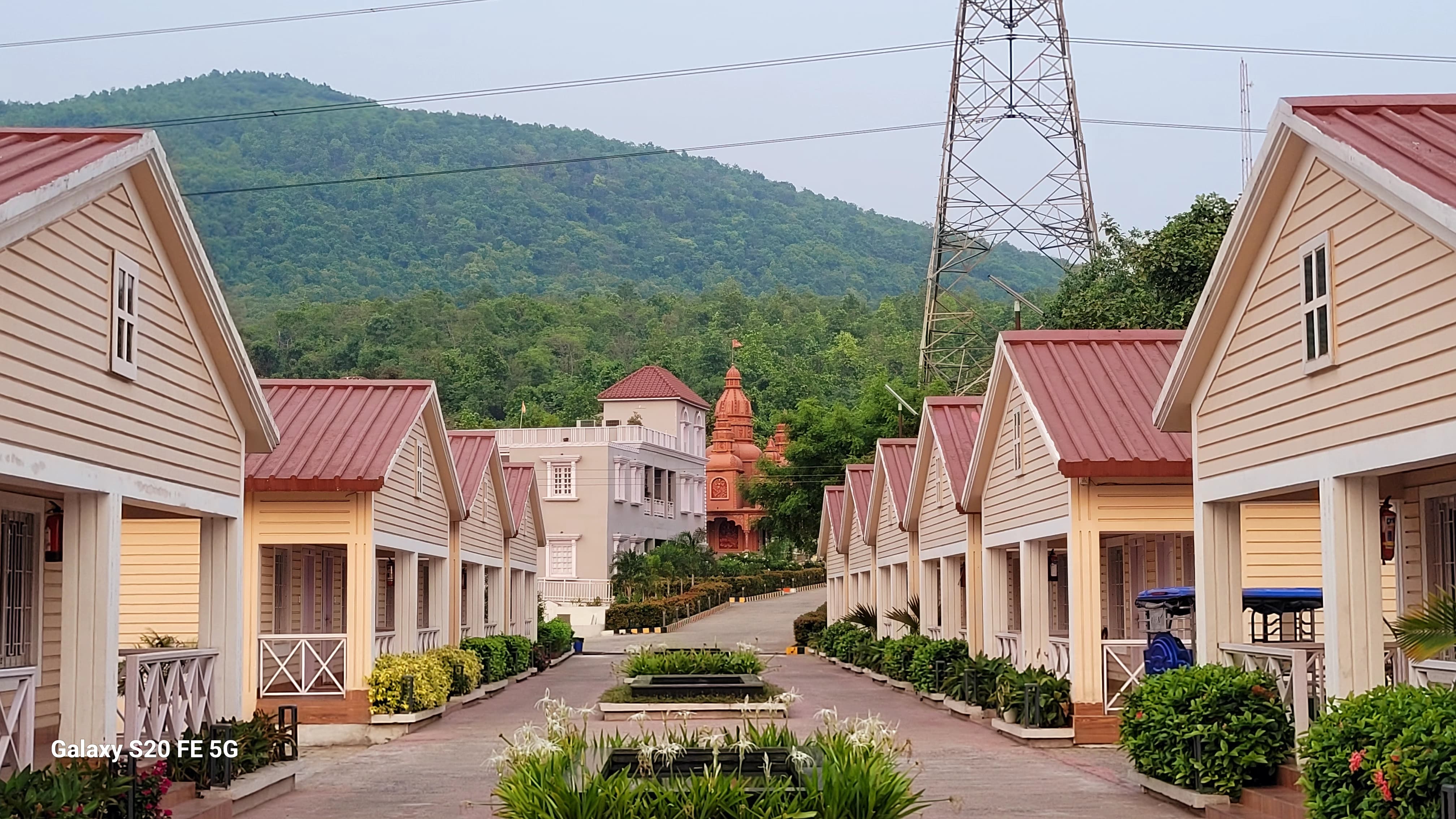
Garh Panchkot’s history is as fascinating as its landscape. The remnants of the Panchkot Raj, a kingdom that flourished for centuries, whisper tales of a bygone era. The ruins of the fort, temples, and other structures stand as silent witnesses to the rise and fall of this once-powerful dynasty.
The Panchkot Fort: A Glimpse into the Past
The ruins of the Panchkot Fort, though weathered by time, still evoke a sense of grandeur. The crumbling walls, gateways, and watchtowers offer a tangible connection to the past. Exploring these ruins allows visitors to imagine the lives of the kings, soldiers, and commoners who once inhabited this fortified settlement. The destruction of the fort, attributed to Maratha invasions, adds a layer of poignant history to the site.
The Temple Complex: Architectural Marvels

Scattered across the landscape are the remnants of several temples, showcasing the architectural styles prevalent during the Panchkot Raj. These temples, though largely in ruins, reveal intricate carvings and designs, reflecting the artistic prowess of the period. The remnants of the ‘panch-ratna’ temples, which once had five spires, are particularly noteworthy. The surviving structures offer a glimpse into the religious and cultural practices of the time.
The Singh Deo Dynasty: A Legacy Remembered
The Singh Deo dynasty, which ruled Garh Panchkot for generations, left an indelible mark on the region. Their patronage of art, architecture, and culture contributed to the development of the area. The stories and legends associated with the dynasty continue to fascinate visitors, adding a layer of intrigue to the historical exploration of Garh Panchkot.
Embracing the Natural Splendor

Beyond its historical significance, Garh Panchkot boasts a rich natural environment that is rapidly gaining recognition as an eco-tourism hotspot. The region’s diverse flora and fauna, coupled with its scenic landscapes, provide ample opportunities for nature lovers to immerse themselves in the beauty of the surroundings.
The Panchet Reservoir: A Serene Water Body
The Panchet Reservoir, formed by the Panchet Dam across the Damodar River, is a major attraction in Garh Panchkot. The vast expanse of water, surrounded by hills and forests, creates a picturesque setting. Boating and fishing are popular activities on the reservoir, allowing visitors to enjoy the tranquility of the water and the scenic views. The reservoir also serves as a vital habitat for various aquatic species, contributing to the region’s biodiversity.
The Hills and Forests: A Haven for Biodiversity
The hills and forests surrounding Garh Panchkot are home to a diverse range of flora and fauna. The Sal forests, interspersed with other indigenous trees, provide a green canopy that shelters various species of birds, mammals, and reptiles. Trekking and nature walks through these forests offer opportunities to observe wildlife and appreciate the natural beauty of the region. The rocky terrain, with its unique geological formations, adds to the visual appeal of the landscape.
Birdwatching: A Delight for Ornithologists
Garh Panchkot’s diverse habitats make it a haven for birdwatchers. The forests, reservoir, and surrounding areas attract a wide variety of avian species, including resident and migratory birds. The serene environment and abundant food sources make it an ideal location for birdwatching enthusiasts. The opportunity to spot rare and endemic species adds to the allure of this activity.
Promoting Eco-Tourism and Sustainable Practices
The growing popularity of Garh Panchkot as a tourist destination has highlighted the importance of promoting eco-tourism and sustainable practices. The region’s natural and cultural heritage needs to be preserved for future generations, while also ensuring that tourism benefits the local communities.
Community-Based Tourism: Empowering Local Residents
Community-based tourism initiatives are crucial for ensuring that the benefits of tourism reach the local communities. By involving local residents in tourism activities, such as guiding, homestays, and handicrafts, they can earn a sustainable livelihood while also preserving their cultural heritage. This approach fosters a sense of ownership and responsibility among the community members, encouraging them to protect the environment.
Sustainable Accommodation and Infrastructure: Minimizing Environmental Impact
The development of sustainable accommodation and infrastructure is essential for minimizing the environmental impact of tourism. Eco-friendly resorts and homestays that use renewable energy, conserve water, and manage waste responsibly are crucial for promoting sustainable tourism. The use of local materials and traditional building techniques can also contribute to the preservation of the region’s cultural identity.
Responsible Tourism Practices: Educating Visitors
Educating visitors about responsible tourism practices is vital for minimizing the impact on the environment and local communities. Promoting activities like trekking on designated trails, avoiding littering, and respecting local customs can help ensure that tourism benefits the region without causing harm. Signage, information centers, and guided tours can play a crucial role in educating visitors about these practices.
Conservation Efforts: Protecting Biodiversity
Conservation efforts are essential for protecting the biodiversity of Garh Panchkot. Initiatives such as reforestation, wildlife protection, and habitat restoration can help preserve the region’s natural heritage. The involvement of local communities, government agencies, and NGOs is crucial for the success of these conservation efforts.
Experiencing the Local Culture and Cuisine
A visit to Garh Panchkot is not complete without experiencing the local culture and cuisine. The region’s unique blend of traditions and culinary delights offers a glimpse into the lives of the people who call this place home.
Tribal Culture: A Rich Heritage
The region is home to various tribal communities, each with its own unique culture and traditions. Exploring the tribal villages and interacting with the local residents provides an opportunity to learn about their customs, beliefs, and way of life. The vibrant festivals, music, and dance forms of these communities add to the cultural richness of Garh Panchkot.
Local Cuisine: A Culinary Delight
The local cuisine of Garh Panchkot is a reflection of the region’s agricultural practices and cultural influences. Rice, lentils, and vegetables form the staple diet, with fish and meat being consumed occasionally. The use of local spices and herbs adds unique flavors to the dishes. Trying local delicacies like ‘pitha’ and ‘muri-ghonto’ provides a culinary experience that complements the overall exploration of the region.
Handicrafts and Art: Supporting Local Artisans
The local artisans of Garh Panchkot create a variety of handicrafts, including pottery, weaving, and bamboo products. Supporting these artisans by purchasing their products helps sustain their livelihoods and preserve their traditional skills. The intricate designs and craftsmanship of these handicrafts reflect the artistic heritage of the region.
Planning Your Visit to Garh Panchkot
Garh Panchkot is easily accessible from major cities in West Bengal and neighboring states. The best time to visit is during the winter months, when the weather is pleasant and conducive to outdoor activities.
Accommodation Options: From Resorts to Homestays
Garh Panchkot offers a range of accommodation options, from eco-friendly resorts to comfortable homestays. Choosing accommodation that aligns with sustainable practices is essential for minimizing the environmental impact of your visit.
Transportation: Reaching Garh Panchkot
Garh Panchkot is well-connected by road and rail. The nearest railway station is Adra, and the nearest airport is Netaji Subhas Chandra Bose International Airport in Kolkata. Local transport options include buses, taxis, and auto-rickshaws.
Activities and Attractions: Exploring the Region
Visitors can engage in a variety of activities, including trekking, birdwatching, boating, and exploring historical sites. Guided tours and nature walks are available for those who wish to learn more about the region’s history and ecology.
Garh Panchkot is a destination that offers a unique blend of history, nature, and culture. By embracing eco-tourism and sustainable practices, visitors can contribute to the preservation of this emerging gem while also enjoying a memorable and enriching experience. The region’s serene landscapes, historical significance, and vibrant culture make it an ideal destination for those seeking a tranquil and meaningful escape.


