
Absolutely! Here’s a 3000-word article about nature tourism examples, formatted with `
` and `
` tags instead of “.
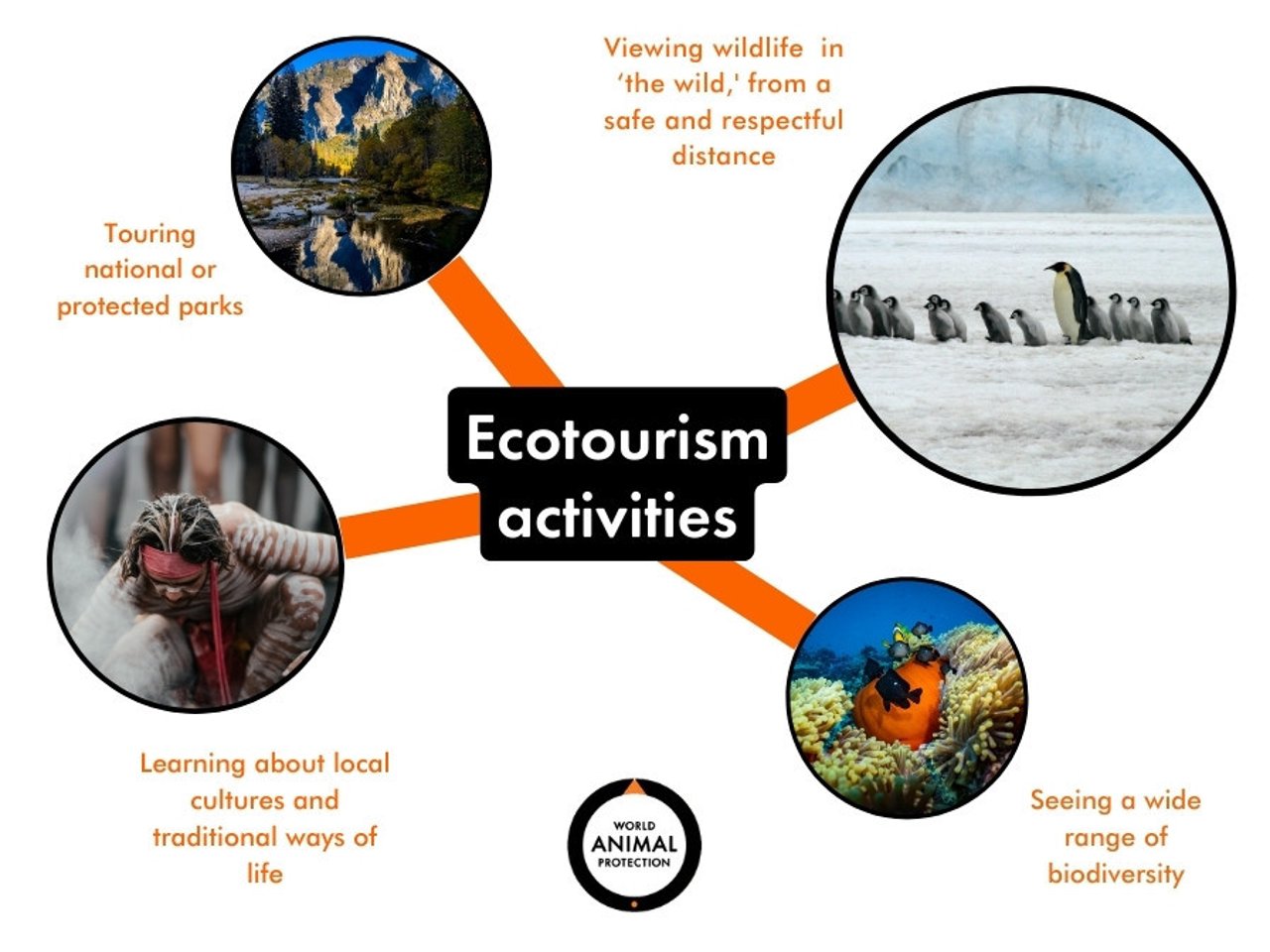
Nature tourism, also known as ecotourism, is a form of tourism that focuses on responsible travel to natural areas, conserving the environment, and improving the well-being of local people. It’s a growing trend, as more travelers seek authentic experiences and a deeper connection with the natural world. This article explores diverse examples of nature tourism across the globe, showcasing the incredible variety of landscapes and wildlife that can be experienced sustainably.
Africa: The Safari Experience and Beyond
Africa is synonymous with wildlife safaris, but nature tourism on the continent extends far beyond game drives.
The Serengeti National Park, Tanzania
The Serengeti is renowned for the Great Migration, where millions of wildebeest, zebras, and gazelles traverse the plains in search of fresh grazing. Visitors can witness this incredible spectacle, while staying in eco-lodges that prioritize minimal impact and support local communities. Hot air balloon safaris offer a unique perspective, floating silently above the vast landscape.
The Bwindi Impenetrable National Park, Uganda
Home to half of the world’s remaining mountain gorillas, Bwindi offers a truly unique and moving wildlife experience. Gorilla trekking is a highly regulated activity, ensuring the safety of both the gorillas and the tourists. The park’s dense rainforest also supports a rich diversity of birdlife and other primates.
The Okavango Delta, Botswana
This inland delta is a maze of waterways, islands, and floodplains, offering a diverse range of wildlife viewing opportunities. Mokoro (dugout canoe) trips allow for close encounters with hippos, crocodiles, and waterbirds. Walking safaris provide a more immersive experience, revealing the smaller wonders of the delta.
Asia: From Rainforests to Coral Reefs
Asia’s vast size and diverse ecosystems provide a wealth of nature tourism opportunities.
The Danum Valley Conservation Area, Borneo, Malaysia
This ancient rainforest is a biodiversity hotspot, home to orangutans, proboscis monkeys, and a plethora of other wildlife. Guided treks through the forest reveal the intricate web of life, from towering trees to tiny insects. Night walks offer the chance to spot nocturnal animals.
The Great Barrier Reef, Australia (Though Geographically Oceania, Often Included in Asia-Pacific Tourism)
The world’s largest coral reef system is a must-see for divers and snorkelers. Sustainable tourism practices are crucial to protect this fragile ecosystem. Many operators adhere to strict environmental guidelines, and visitors are encouraged to minimize their impact.
The Himalayas, Nepal
Trekking in the Himalayas is a life-changing experience, offering breathtaking views of snow-capped peaks and a glimpse into the Sherpa culture. Eco-lodges along the trekking routes minimize waste and use renewable energy. The Annapurna Circuit and Everest Base Camp treks are popular choices.
Europe: Natural Beauty Closer to Home
Europe offers a surprising variety of natural landscapes, from rugged coastlines to ancient forests.
The Scottish Highlands, United Kingdom
The Highlands are a land of dramatic mountains, deep lochs, and windswept moors. Hiking, cycling, and kayaking are popular activities. Wildlife watching opportunities include red deer, golden eagles, and seals. Local communities are increasingly involved in sustainable tourism initiatives.
The Plitvice Lakes National Park, Croatia
This UNESCO World Heritage Site is renowned for its cascading waterfalls and turquoise lakes. Wooden walkways wind through the park, allowing visitors to appreciate the beauty of the landscape without damaging it. The park’s forests are home to a variety of wildlife, including bears and wolves.
The Icelandic Ring Road, Iceland
Driving the Ring Road is a journey through a land of glaciers, volcanoes, and geothermal wonders. Hiking, whale watching, and birdwatching are popular activities. Eco-friendly accommodations and tour operators are readily available.
North America: From National Parks to Wilderness Adventures
North America’s vast wilderness areas offer a wide range of nature tourism experiences.
Yellowstone National Park, USA
The world’s first national park is a geothermal wonderland, home to geysers, hot springs, and mud pots. Wildlife viewing opportunities include bison, wolves, and bears. Hiking, camping, and fishing are popular activities.
The Costa Rica Rainforests
Costa Rica is a leader in ecotourism, with its rainforests teeming with wildlife. Zip-lining, canopy tours, and birdwatching are popular activities. Eco-lodges and tour operators prioritize sustainability and support local communities.
The Canadian Rockies, Canada
The Rockies offer stunning mountain scenery, pristine lakes, and abundant wildlife. Hiking, skiing, and wildlife viewing are popular activities. Banff and Jasper National Parks are popular destinations.
South America: The Amazon and Beyond
South America’s diverse landscapes offer a wealth of nature tourism opportunities.
The Amazon Rainforest, Brazil, Peru, Ecuador, etc.
The Amazon is the world’s largest rainforest, home to an incredible diversity of plant and animal life. River cruises, jungle treks, and wildlife viewing are popular activities. Eco-lodges and tour operators work with local communities to ensure sustainable tourism practices.
The Galapagos Islands, Ecuador
These volcanic islands are home to unique wildlife, including giant tortoises, marine iguanas, and blue-footed boobies. Strict regulations ensure the protection of the fragile ecosystem. Cruises and land-based tours offer opportunities to explore the islands.
Patagonia, Argentina and Chile
Patagonia is a land of glaciers, mountains, and steppes, offering a range of outdoor activities. Hiking, kayaking, and wildlife viewing are popular activities. Eco-lodges and tour operators prioritize sustainable tourism practices.
The Importance of Responsible Nature Tourism
Nature tourism has the potential to be a powerful force for conservation and community development. However, it’s crucial to ensure that tourism practices are responsible and sustainable. This includes:
Minimizing environmental impact: Reducing waste, conserving water and energy, and avoiding disturbance to wildlife.
By choosing responsible tour operators and following sustainable tourism practices, travelers can help to protect the Earth’s natural beauty for future generations. Nature tourism is not just about seeing the world; it’s about preserving it.


