
The Verdant Path: Navigating the Landscape of Eco-tourism in Europe
Europe, a continent renowned for its rich history, diverse cultures, and breathtaking landscapes, is also emerging as a leading destination for eco-tourism. As the global consciousness regarding environmental sustainability grows, travelers are increasingly seeking experiences that minimize their impact while maximizing their connection with nature. This article delves into the burgeoning world of eco-tourism in Europe, exploring its key destinations, practices, and the challenges it faces.
Eco-tourism, at its core, is about responsible travel to natural areas, conserving the environment, and improving the well-being of local people. It’s not merely about visiting scenic spots; it’s about fostering a symbiotic relationship between tourism and conservation. In Europe, this translates to a wide range of initiatives, from promoting sustainable transportation and accommodation to supporting local communities and preserving biodiversity.

Europe’s diverse geography offers a plethora of eco-tourism opportunities, catering to various interests and preferences.
The Nordic Wonders: Embracing Wilderness and Sustainability
Norway’s Fjords and Northern Lights: Norway has long been a pioneer in sustainable tourism. Its stunning fjords, best explored by electric ferries or kayaks, and the ethereal Northern Lights, viewed from eco-lodges with minimal light pollution, offer unparalleled experiences. The country’s commitment to reducing its carbon footprint is evident in its investment in renewable energy and electric vehicles.
The Alpine Heart: Balancing Tourism and Conservation
Switzerland’s Mountain Trails and Sustainable Transport: Switzerland’s well-maintained hiking trails and extensive network of public transport, powered by renewable energy, make it a model for sustainable mountain tourism. Eco-lodges and mountain huts prioritize energy efficiency and waste reduction.
The Mediterranean Shores: Protecting Coastal Ecosystems
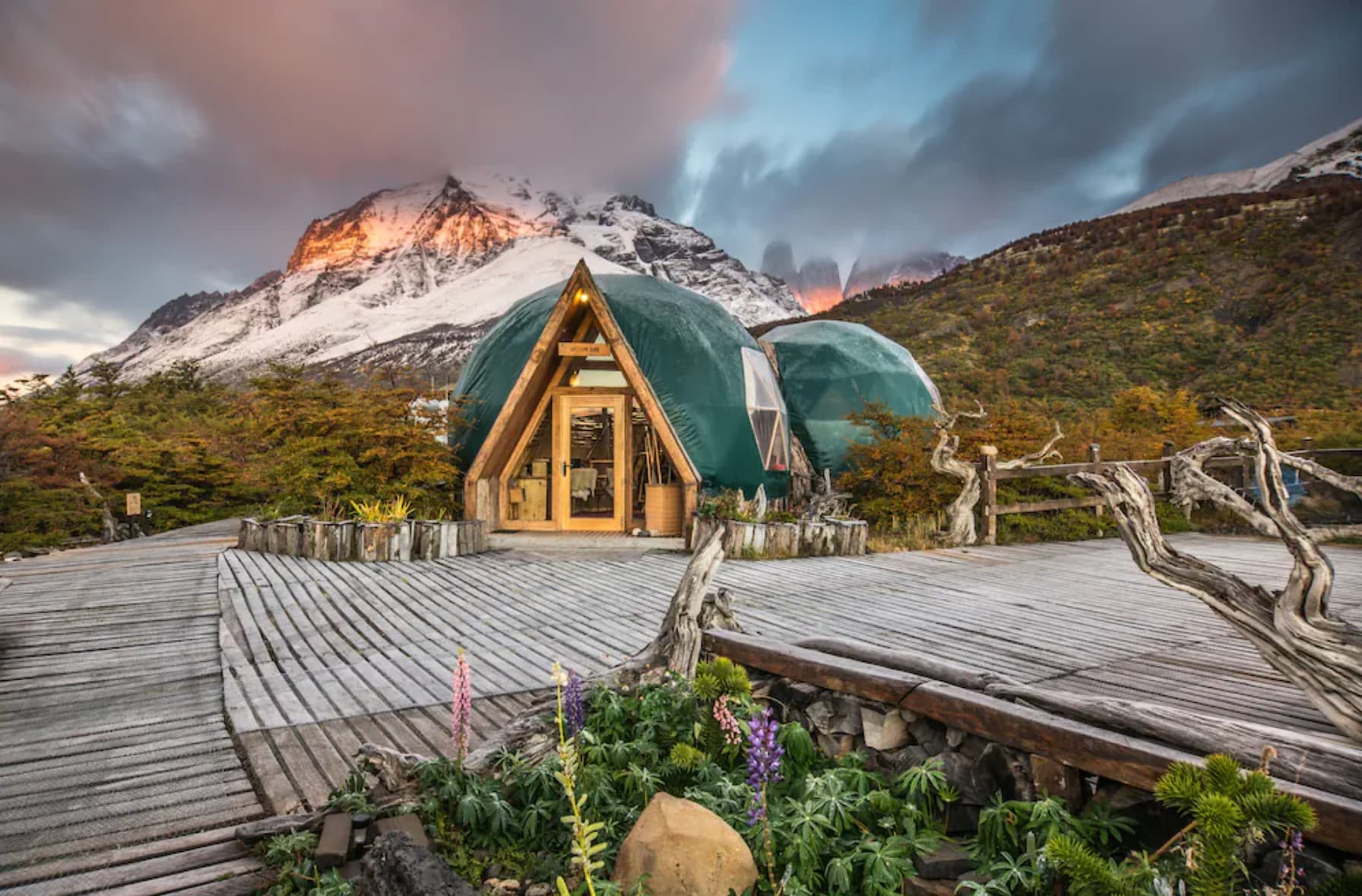
Croatia’s Adriatic Islands and Marine Conservation: Croatia’s Adriatic islands, with their crystal-clear waters and diverse marine life, are perfect for eco-friendly sailing and diving. Marine conservation initiatives focus on protecting endangered species and minimizing the impact of tourism on coastal ecosystems.
The Eastern Frontiers: Discovering Untouched Landscapes
Poland’s Bialowieza Forest and Wildlife Encounters: Poland’s Bialowieza Forest, a UNESCO World Heritage Site, is one of Europe’s last primeval forests, home to the European bison. Guided tours focus on wildlife observation and learning about the forest’s unique ecosystem.
While eco-tourism in Europe is thriving, it faces several challenges.
Greenwashing: Ensuring Authenticity and Transparency
One of the biggest challenges is “greenwashing,” where companies and destinations falsely claim to be eco-friendly. It is crucial for travelers to research and choose reputable operators that genuinely prioritize sustainability.
Over-Tourism: Balancing Visitor Numbers and Environmental Impact
Popular destinations face the challenge of over-tourism, which can lead to environmental degradation and strain local resources.
Supporting Local Communities: Ensuring Economic Benefits
Eco-tourism should benefit local communities by providing economic opportunities and preserving cultural heritage.
Climate Change: Adapting to a Changing Environment
Climate change poses a significant threat to Europe’s natural landscapes and ecosystems.
The future of eco-tourism in Europe lies in a collaborative approach that involves governments, businesses, local communities, and travelers.
Promoting Sustainable Transportation and Infrastructure
Investing in electric vehicles, public transport, and cycling infrastructure is crucial for reducing the carbon footprint of tourism.
Educating Travelers and Promoting Responsible Behavior
Raising awareness about eco-tourism principles and promoting responsible behavior among travelers is vital.
Strengthening Partnerships and Collaboration
Building strong partnerships between governments, businesses, and local communities is essential for successful eco-tourism initiatives.
Embracing Technology and Innovation
Leveraging technology to monitor environmental impact, manage visitor flows, and promote sustainable practices is crucial.
Eco-tourism in Europe offers a unique opportunity to explore the continent’s natural beauty while contributing to its preservation. By embracing responsible practices, supporting local communities, and advocating for sustainable policies, travelers can play a vital role in shaping the future of tourism. As Europe continues to lead the way in eco-tourism, it sets an example for the rest of the world, demonstrating that travel can be both enriching and environmentally responsible. The verdant path of eco-tourism in Europe is a journey towards a more sustainable and harmonious relationship between humans and nature.


