
Embracing the Wild: A Journey Through Exemplary Natural tourism Destinations
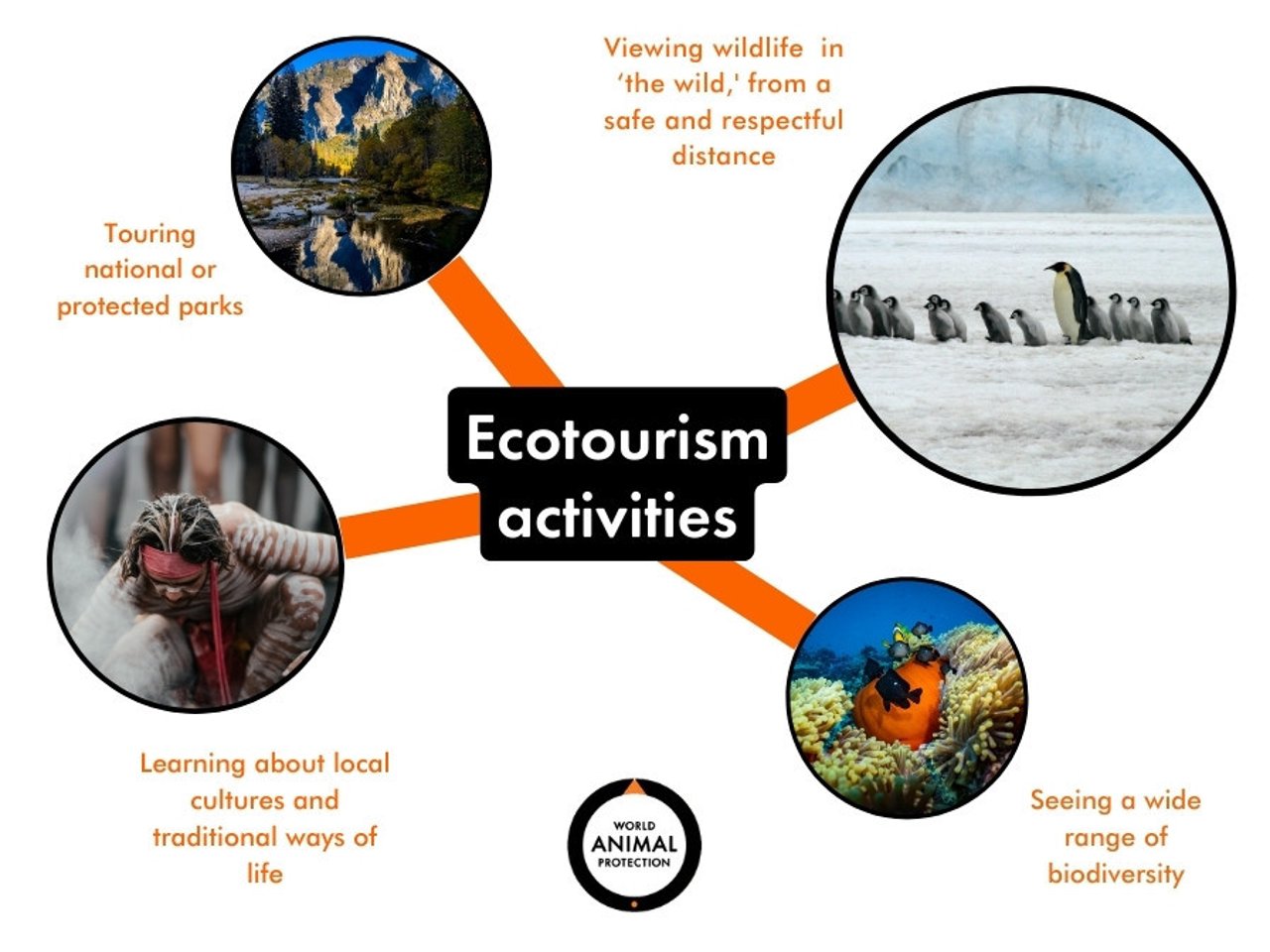
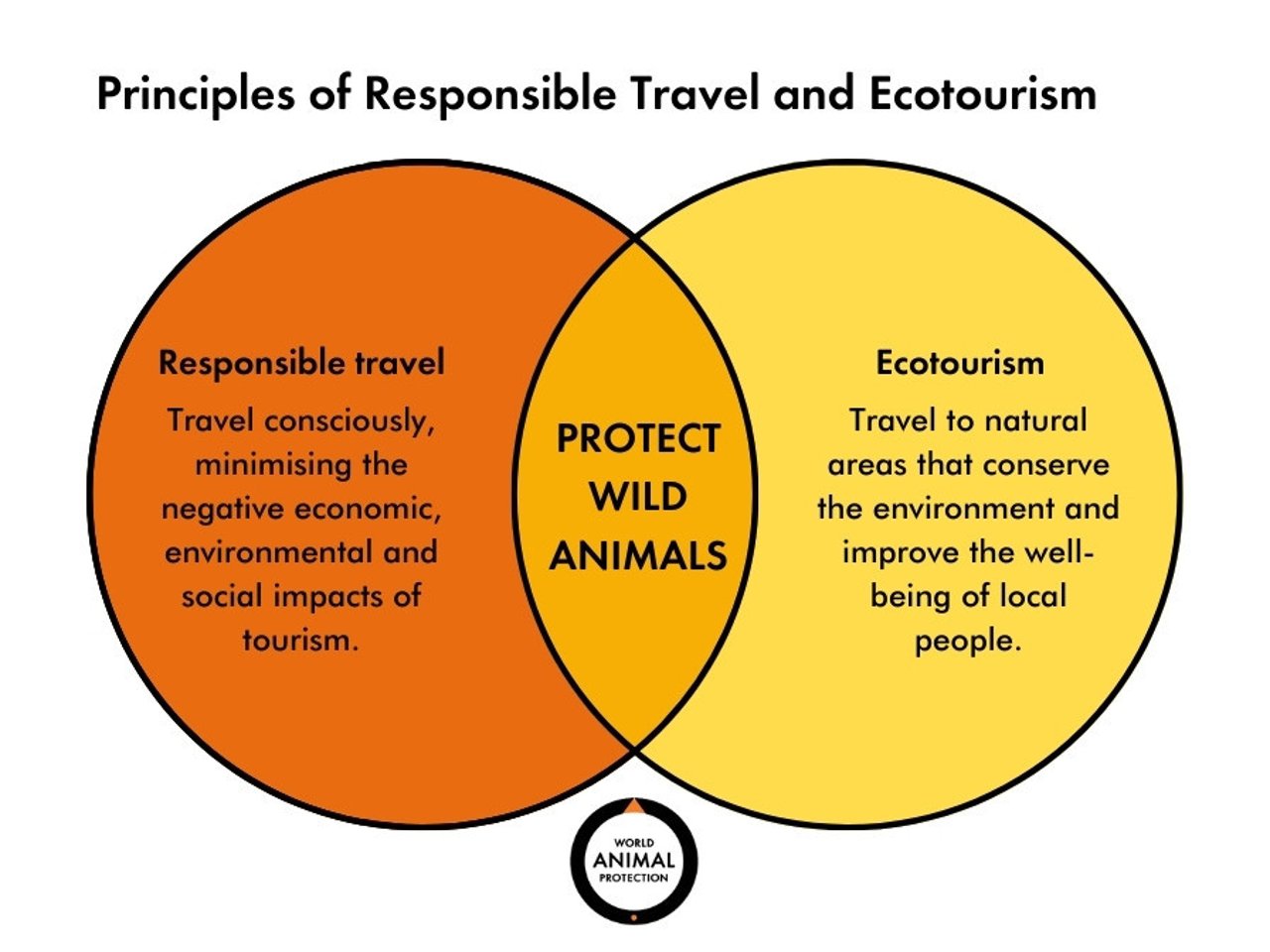
Natural tourism, also known as ecotourism, is more than just a vacation; it’s a conscious decision to explore the planet’s wonders while minimizing our impact and contributing to conservation efforts. It’s about forging a deeper connection with nature, understanding its intricate ecosystems, and supporting the communities that call these places home. This article delves into several exemplary natural tourism destinations, showcasing the diversity and beauty of our planet and highlighting the importance of responsible travel.
The Enchanting Rainforests of Costa Rica: A Biodiversity Hotspot
Costa Rica, a small nation in Central America, has positioned itself as a global leader in ecotourism. Its commitment to conservation and sustainable practices has made it a haven for nature lovers.
Monteverde Cloud Forest Reserve: A World Above the Clouds
The Monteverde Cloud Forest Reserve is a prime example of Costa Rica’s dedication to preserving its natural heritage. This ethereal forest, perpetually shrouded in mist, supports an incredible array of biodiversity.
Corcovado National Park: Untamed Wilderness on the Osa Peninsula
Corcovado National Park, located on the remote Osa Peninsula, is considered one of the most biodiverse places on Earth.
The Majestic Landscapes of Iceland: Fire and Ice
Iceland, a land of dramatic contrasts, offers a unique natural tourism experience. Its volcanic landscapes, glaciers, and geothermal features create a surreal and awe-inspiring environment.
The Golden Circle: A Geothermal Wonderland
:max_bytes(150000):strip_icc()/iguaz--falls-or-igua-u-falls--1179877200-c3d5df96245641afaae95183c0c928af.jpg "image.title")
The Golden Circle is a popular route that showcases some of Iceland’s most iconic natural attractions.
Vatnajökull National Park: Glacial Majesty
Vatnajökull National Park, home to Europe’s largest glacier, offers a glimpse into a world of ice and snow.
The African Savanna: A Wildlife Spectacle in Tanzania
Tanzania, a country in East Africa, is renowned for its vast savannas and abundant wildlife. Its national parks and reserves offer unparalleled opportunities for wildlife viewing.
The Serengeti National Park: The Great Migration
The Serengeti National Park is synonymous with the Great Migration, a spectacular annual event in which millions of wildebeest, zebras, and gazelles traverse the plains in search of fresh grazing.
Ngorongoro Conservation Area: A Natural Amphitheater
The Ngorongoro Conservation Area is a unique ecosystem that features the Ngorongoro Crater, the world’s largest intact volcanic caldera.
The Underwater Wonders of the Great Barrier Reef, Australia
The Great Barrier Reef, the world’s largest coral reef system, is a breathtaking underwater paradise.
Snorkeling and Diving: Exploring Coral Gardens
The Great Barrier Reef offers unparalleled opportunities for snorkeling and diving, allowing visitors to explore its vibrant coral gardens and encounter a diverse array of marine life.
Island Getaways: Eco-Friendly Resorts
Several islands within the Great Barrier Reef region offer eco-friendly resorts that prioritize sustainability and conservation.
The Amazon Rainforest: A Vital Ecosystem in Peru
The Amazon rainforest, the world’s largest tropical rainforest, is a treasure trove of biodiversity. Peru offers access to this incredible ecosystem through several protected areas.
Tambopata National Reserve: Biodiversity Immersion
Tambopata National Reserve in southeastern Peru offers a deep immersion into the Amazon rainforest.
Pacaya Samiria National Reserve: The Flooded Forest
Pacaya Samiria National Reserve is one of the largest protected flooded rainforests in the Amazon.
The Importance of Responsible Natural Tourism
These exemplary destinations highlight the incredible beauty and diversity of our planet. However, it’s crucial to remember that natural tourism must be conducted responsibly.
Choosing sustainable tour operators that prioritize conservation and community benefits.
By embracing responsible natural tourism, we can ensure that these incredible places remain for future generations to enjoy and appreciate. We become stewards of the earth, contributing to the preservation of its natural wonders and fostering a deeper connection with the world around us.


