
Embracing Earth’s Wonders: A Journey Through Natural tourism Paradises
The allure of natural tourism lies in its promise of rejuvenation, adventure, and a profound connection with the planet. In a world increasingly dominated by concrete jungles and digital distractions, the desire to immerse oneself in pristine landscapes has never been stronger. This article embarks on a 3000-word exploration of some of the most captivating natural tourism destinations, highlighting their unique features and the experiences they offer.
Mountains, with their towering peaks and sweeping vistas, hold an undeniable magnetic pull. They are places of both serene beauty and exhilarating challenges, offering a diverse array of experiences for nature enthusiasts.

A. The Himalayas: Roof of the World
The Himalayas, a colossal mountain range stretching across five countries, are synonymous with grandeur. Trekking through Nepal or Bhutan offers unparalleled opportunities to witness the snow-capped giants, including Mount Everest. The region is not just about physical challenges; it’s a spiritual journey, with ancient monasteries nestled amidst the peaks and a rich cultural heritage to explore. The Annapurna Circuit in Nepal, for example, combines stunning scenery with encounters with local communities and their traditions.
B. The Swiss Alps: Alpine Perfection
The Swiss Alps, renowned for their picturesque landscapes and efficient infrastructure, provide a more accessible alpine experience. Whether hiking through flower-strewn meadows in the summer or skiing down pristine slopes in the winter, the Alps offer a plethora of outdoor activities. The Matterhorn, with its iconic pyramid shape, is a symbol of Swiss alpine beauty. The region is also dotted with charming villages, where visitors can savor traditional Swiss cuisine and experience the warmth of local hospitality.
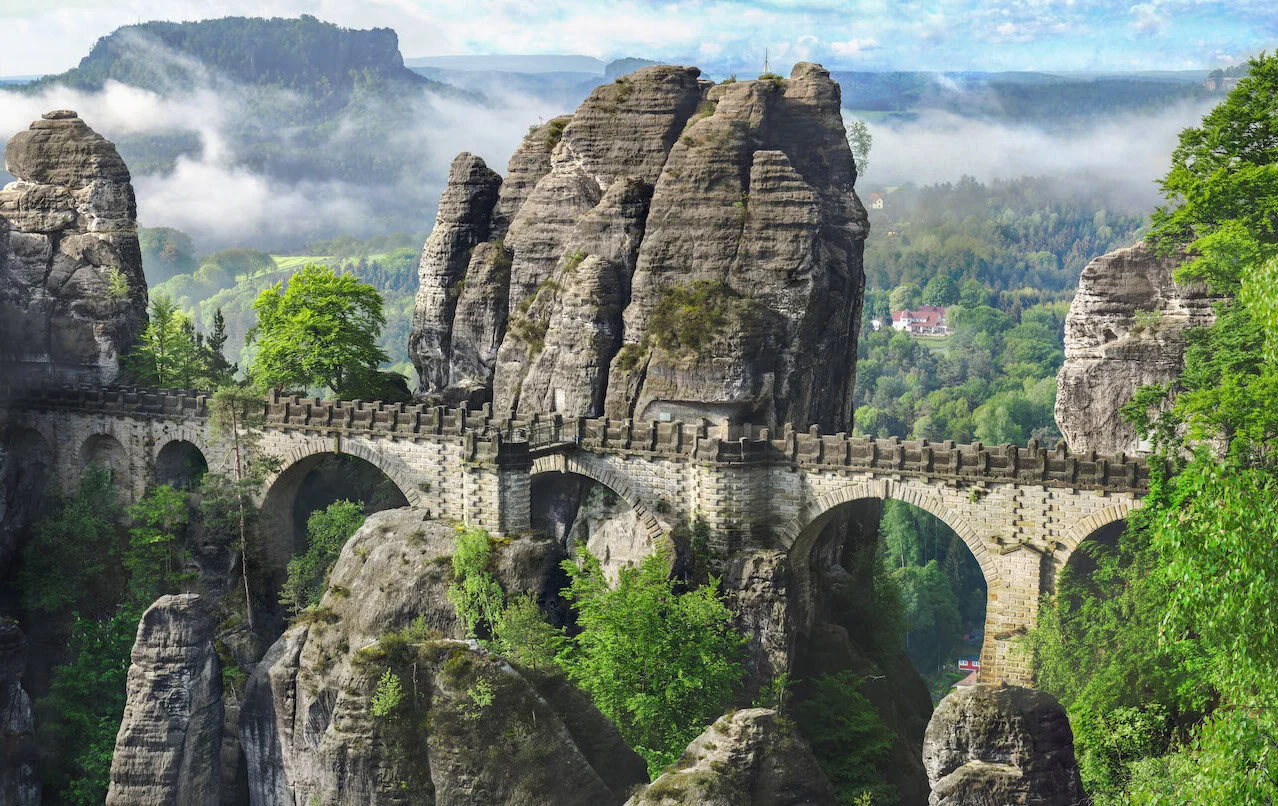
C. The Andes: South American Giants
The Andes, the longest continental mountain range in the world, offer a diverse range of landscapes, from the arid Atacama Desert to the lush cloud forests of Ecuador. Patagonia, shared by Chile and Argentina, is a hiker’s paradise, with its dramatic peaks, turquoise lakes, and glaciers. The region is also home to unique wildlife, such as the Andean condor and the vicuña.
From coral reefs teeming with life to majestic waterfalls cascading down cliffs, aquatic environments offer a glimpse into the planet’s extraordinary biodiversity.
A. The Great Barrier Reef: Underwater Wonderland
The Great Barrier Reef, the world’s largest coral reef system, is a kaleidoscope of colors and life. Snorkeling or diving in its crystalline waters reveals a vibrant underwater world, home to thousands of species of fish, corals, and marine mammals. The reef’s intricate ecosystems are crucial for the health of the planet, and efforts are underway to protect it from the threats of climate change and pollution.
B. The Amazon River: A Biodiversity Hotspot
The Amazon River and its surrounding rainforest constitute the world’s largest and most biodiverse tropical ecosystem. Exploring the Amazon by boat offers the chance to witness an incredible array of wildlife, from playful monkeys and colorful macaws to elusive jaguars and giant river otters. The region is also home to indigenous communities with deep connections to the forest.
C. The Maldives: Island Paradise
The Maldives, a chain of coral islands in the Indian Ocean, are synonymous with luxury and tranquility. Their pristine beaches, turquoise lagoons, and vibrant coral reefs make them a popular destination for honeymooners and divers alike. The islands’ unique geography and fragile ecosystems make them particularly vulnerable to climate change, highlighting the importance of sustainable tourism practices.
D. Iguazu Falls: A Symphony of Water
Iguazu Falls, straddling the border between Argentina and Brazil, are a spectacle of nature’s power. The falls, comprising hundreds of individual cascades, plunge into the lush rainforest below, creating a thunderous roar and a misty veil. Exploring the falls from both the Argentinian and Brazilian sides offers different perspectives on their grandeur.
These seemingly barren landscapes hold a unique beauty and offer a sense of solitude and connection with the raw elements of nature.
A. The Sahara Desert: A Sea of Sand
The Sahara Desert, the largest hot desert in the world, stretches across North Africa, offering a landscape of endless sand dunes, rocky plateaus, and hidden oases. Camel treks and stargazing under the clear desert skies are unforgettable experiences. The Sahara’s vastness and silence create a sense of awe and wonder.
B. The Yellowstone National Park: Geothermal Marvels
Yellowstone National Park, in the United States, is a land of geothermal wonders, with geysers, hot springs, and mud pots dotting its landscape. Old Faithful, its most famous geyser, erupts regularly, attracting visitors from around the world. The park is also home to a diverse array of wildlife, including bison, elk, and wolves.
C. The Namib Desert: Ancient Beauty
The Namib Desert, in Namibia, is one of the oldest deserts in the world, known for its towering sand dunes, stark landscapes, and unique wildlife. Sossusvlei, with its iconic red dunes and white salt pans, is a photographer’s dream. The desert’s isolation and extreme conditions have created a unique ecosystem, home to desert-adapted plants and animals.
D. The Canadian Boreal Forest: A Vast Wilderness
The Canadian Boreal Forest, a vast expanse of coniferous trees, lakes, and wetlands, stretches across much of Canada, offering a pristine wilderness experience. Canoeing through its tranquil lakes, hiking through its dense forests, and observing its diverse wildlife are just some of the activities available. The boreal forest plays a vital role in regulating the planet’s climate and supporting biodiversity.
Earth’s geological processes have sculpted some truly remarkable landscapes, offering glimpses into the planet’s history and the forces that shape it.
A. The Grand Canyon: A Geological Masterpiece
The Grand Canyon, in the United States, is a testament to the power of erosion. Its immense scale, intricate layers of rock, and vibrant colors create a breathtaking spectacle. Hiking down into the canyon or rafting along the Colorado River offers a deeper appreciation for its geological history and natural beauty.
B. The Giant’s Causeway: Basalt Columns of Legend
The Giant’s Causeway, in Northern Ireland, is a unique geological formation of interlocking basalt columns, created by ancient volcanic activity. Legend has it that the columns were built by a giant. Exploring the causeway and its surrounding cliffs offers a glimpse into the region’s geological past and rich folklore.
C. The Zhangjiajie National Forest Park: Avatar’s Inspiration
Zhangjiajie National Forest Park, in China, is known for its towering sandstone pillars and lush vegetation, which inspired the floating mountains in the movie “Avatar.” Hiking through the park’s scenic trails and riding the Bailong Elevator, the world’s tallest outdoor elevator, offers stunning views of the unique landscape.
D. The Waitomo Glowworm Caves: Bioluminescent Wonders
The Waitomo Glowworm Caves, in New Zealand, are home to thousands of bioluminescent glowworms, which create a magical spectacle in the darkness. Taking a boat ride through the caves offers a unique and unforgettable experience.
As the popularity of natural tourism grows, it is crucial to adopt sustainable practices that minimize our impact on the environment and support local communities. This includes choosing eco-friendly accommodations, respecting wildlife and their habitats, and supporting local businesses. By embracing responsible tourism, we can ensure that these natural wonders remain for future generations to enjoy.
Natural tourism offers a profound opportunity to reconnect with the planet and experience its extraordinary beauty. By exploring these diverse landscapes, we can gain a deeper appreciation for the natural world and our role in protecting it.


