
“`html
Nature’s Fury: Four Cataclysmic Disasters
Nature’s Fury: Four Cataclysmic Disasters
The Earth, a cradle of life, is also a stage for awe-inspiring and devastating natural phenomena. Throughout history, humanity has witnessed the raw power of nature, from the earth-shattering tremors of earthquakes to the relentless fury of hurricanes. This article delves into four distinct natural disasters, exploring their causes, impacts, and the resilience of those who endure them.
1. The Unrelenting Shudder: Earthquakes
Earthquakes, the sudden and violent shaking of the ground, are a manifestation of the Earth’s dynamic crust. They occur when tectonic plates, massive slabs of rock that make up the Earth’s outer layer, grind against each other, releasing immense amounts of energy. This energy propagates as seismic waves, causing the ground to tremble and shift.
Causes and Mechanics
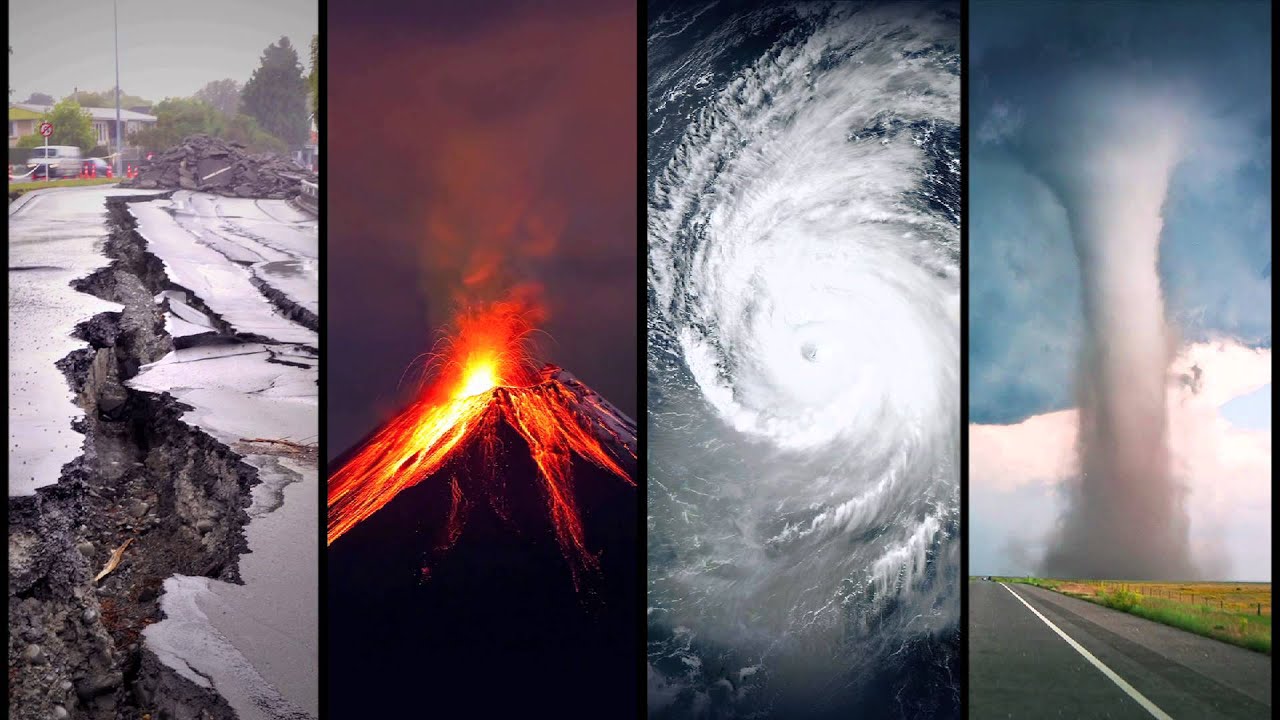
The majority of earthquakes occur at plate boundaries, where tectonic plates converge, diverge, or slide past each other. The most destructive earthquakes often occur at subduction zones, where one plate is forced beneath another. The immense pressure and friction at these zones build up over time, eventually overcoming the resisting forces and causing a sudden release of energy. Fault lines, fractures in the Earth’s crust, are also common sites for earthquakes.
Impacts: Devastation and Aftermath
The impacts of earthquakes can be catastrophic, ranging from the collapse of buildings and infrastructure to the triggering of landslides and tsunamis. The severity of damage depends on the magnitude of the earthquake, the depth of its focus, the type of soil, and the quality of construction. Ground shaking can cause buildings to crumble, bridges to collapse, and pipelines to rupture, leading to fires and explosions. Landslides, triggered by the shaking, can bury entire communities. Tsunamis, massive waves generated by undersea earthquakes, can inundate coastal areas, causing widespread destruction and loss of life.
The aftermath of an earthquake is often marked by widespread suffering and displacement. Survivors may face shortages of food, water, and shelter. Rescue and recovery efforts can be hampered by damaged infrastructure and communication systems. The psychological impact of earthquakes can also be profound, with survivors experiencing trauma, anxiety, and grief.
Case Study: The 2010 Haiti Earthquake
The 2010 Haiti earthquake, a magnitude 7.0 tremor, devastated the impoverished nation, killing an estimated 250,000 people and displacing millions. The earthquake’s shallow focus and proximity to densely populated areas contributed to the massive death toll. The lack of earthquake-resistant buildings and inadequate emergency response systems exacerbated the disaster’s impact. The earthquake’s aftermath was marked by a humanitarian crisis, with widespread disease outbreaks and a protracted recovery effort.
2. The Roaring Tempest: Hurricanes

Hurricanes, also known as typhoons or cyclones, are powerful rotating storms that form over warm ocean waters. They are characterized by strong winds, heavy rainfall, and storm surge, a wall of water that can inundate coastal areas. Hurricanes are among the most destructive natural disasters, capable of causing widespread damage and loss of life.
Formation and Characteristics
Hurricanes form when warm, moist air rises from the ocean surface, creating an area of low pressure. As the air rises, it cools and condenses, releasing heat that fuels the storm’s growth. The Coriolis effect, caused by the Earth’s rotation, causes the storm to spin counterclockwise in the Northern Hemisphere and clockwise in the Southern Hemisphere. The eye of the hurricane, the calm center, is surrounded by a ring of intense thunderstorms known as the eyewall.
Impacts: Wind, Rain, and Surge
The impacts of hurricanes are multifaceted. Strong winds can damage buildings, uproot trees, and down power lines. Heavy rainfall can cause flooding, both inland and along coastlines. Storm surge, the most dangerous aspect of a hurricane, can inundate coastal areas, causing widespread destruction and loss of life. The combination of these factors can lead to catastrophic consequences, including the destruction of homes, businesses, and infrastructure.
Case Study: Hurricane Katrina (2005)
Hurricane Katrina, one of the most devastating hurricanes in U.S. history, struck the Gulf Coast in 2005, causing widespread destruction and loss of life. The storm’s storm surge overwhelmed the levees protecting New Orleans, flooding the city and displacing hundreds of thousands of residents. The government’s slow response to the disaster exacerbated the suffering and led to widespread criticism. The aftermath of Katrina was marked by a long and difficult recovery effort.
3. The Scorching Inferno: Wildfires
Wildfires, uncontrolled fires that burn in wildland areas, are a natural part of many ecosystems. However, climate change, human activities, and the accumulation of fuel can increase the frequency and intensity of wildfires, posing significant threats to human life and property.
Causes and Spread
Wildfires can be ignited by natural causes, such as lightning strikes, or by human activities, such as campfires, discarded cigarettes, and arson. Once ignited, wildfires can spread rapidly, fueled by dry vegetation, strong winds, and hot temperatures. The spread of wildfires can be influenced by topography, with fires spreading more quickly uphill and through canyons.
Impacts: Destruction and Smoke
The impacts of wildfires can be devastating. They can destroy homes, businesses, and infrastructure, displacing communities and causing significant economic losses. Wildfires can also release large amounts of smoke, which can travel long distances and cause respiratory problems. The destruction of vegetation can lead to soil erosion and landslides. The long term effects on ecosystems can be very damaging.
Case Study: Australian Bushfires (2019-2020)
The 2019-2020 Australian bushfires, also known as the Black Summer, were unprecedented in their scale and intensity. The fires burned millions of hectares of land, destroyed thousands of homes, and killed billions of animals. The fires were fueled by record-breaking temperatures, prolonged drought, and strong winds. The smoke from the fires blanketed cities, causing air quality to plummet. The disaster highlighted the growing threat of climate change and the need for improved wildfire management strategies.
4. The Overwhelming Deluge: Floods
Floods, the inundation of land by water, are among the most common and destructive natural disasters. They can be caused by a variety of factors, including heavy rainfall, river overflows, storm surges, and dam failures. Floods can cause widespread damage to homes, businesses, and infrastructure, as well as loss of life.
Causes and Types
Floods can be categorized into several types, including river floods, flash floods, coastal floods, and urban floods. River floods occur when rivers overflow their banks, often due to prolonged rainfall or snowmelt. Flash floods are sudden and intense floods that occur in a short period of time, often due to heavy rainfall in a localized area. Coastal floods occur when storm surges or high tides inundate coastal areas. Urban floods occur when drainage systems are overwhelmed by heavy rainfall.
Impacts: Water Damage and Disease
The impacts of floods can be devastating. Water damage can destroy homes, businesses, and infrastructure. Floods can also contaminate water supplies, leading to outbreaks of waterborne diseases. The force of floodwaters can erode soil, damage roads and bridges, and displace communities. The economic impact of floods can be significant, with businesses losing revenue and governments spending billions on recovery efforts.
Case Study: Pakistan Floods (2022)
The 2022 Pakistan floods, caused by unprecedented monsoon rains and melting glaciers, submerged a third of the country, affecting over 33 million people. The floods destroyed homes, crops, and infrastructure, displacing millions of people and causing widespread suffering. The disaster highlighted the vulnerability of Pakistan to climate change and the need for improved flood management strategies. The aftermath was a struggle to provide clean water and prevent disease.
Natural disasters are a stark reminder of the power of nature and the vulnerability of human societies. By understanding the causes and impacts of these disasters, we can work to mitigate their effects and build more resilient communities.
“`


