
Unveiling Germany’s Natural Treasures: A Journey Through Diverse Landscapes
Germany, often lauded for its historical cities and technological prowess, holds a secret equally captivating: a tapestry of diverse and breathtaking natural landscapes. From the rugged peaks of the Alps to the serene shores of the Baltic Sea, the country offers a wealth of opportunities for nature tourism, attracting adventurers, tranquility seekers, and everyone in between. This comprehensive guide explores the rich tapestry of Germany’s natural wonders, highlighting key regions, activities, and the growing importance of sustainable tourism practices.
Germany’s southern regions, particularly Bavaria, are dominated by the majestic Alps. This mountainous landscape offers a plethora of outdoor activities, catering to both seasoned adventurers and casual nature enthusiasts.
The Bavarian Alps: A Hiker’s Dream
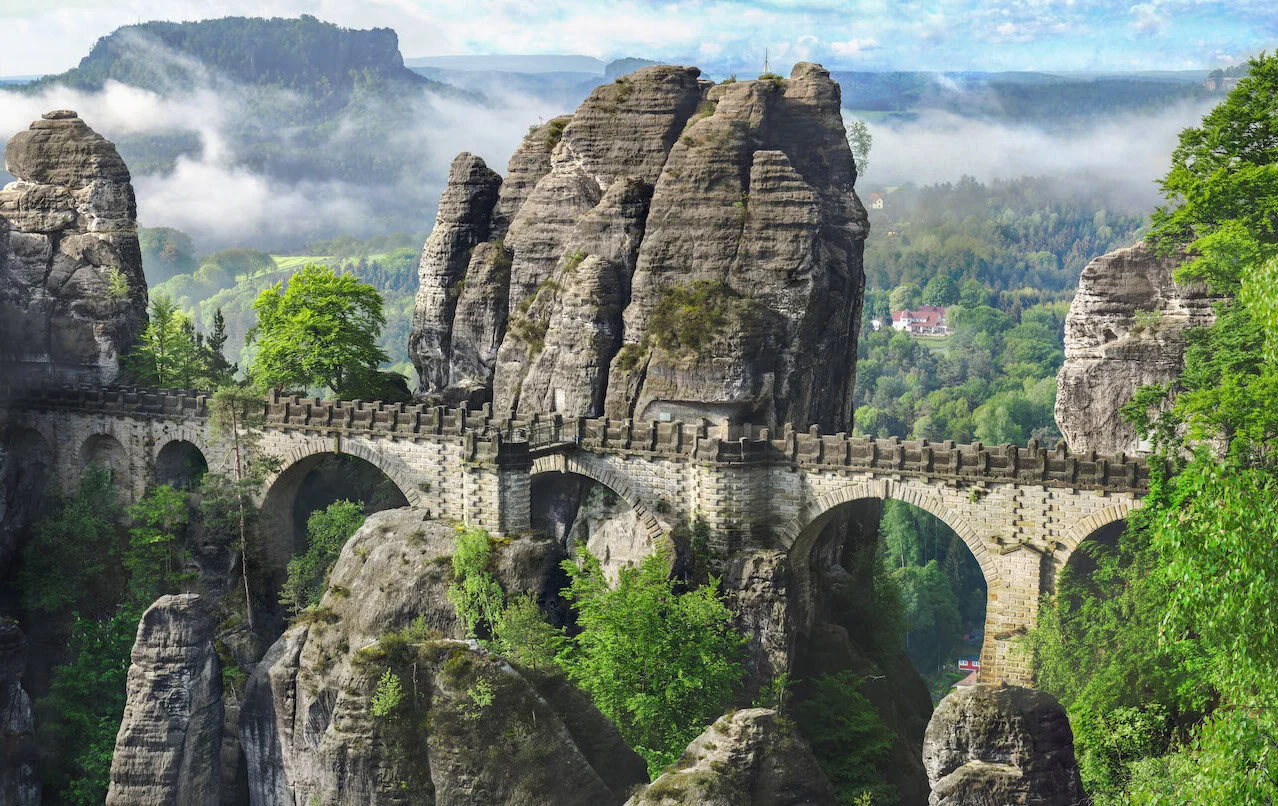
The Bavarian Alps, with their dramatic peaks, verdant valleys, and crystal-clear lakes, are a hiker’s paradise. Trails of varying difficulty wind through the mountains, offering stunning panoramic views. The Zugspitze, Germany’s highest peak, is a popular destination for climbers and hikers alike. The Partnach Gorge, a deep ravine carved by a glacial river, provides a thrilling experience for those seeking adventure.
Lake Königssee: A Serene Alpine Gem
Nestled amidst the Bavarian Alps, Lake Königssee is renowned for its pristine waters and breathtaking scenery. Boat tours offer visitors the chance to explore the lake’s hidden corners, including the iconic St. Bartholomew’s Church, a picturesque chapel perched on the lake’s shore. The surrounding Berchtesgaden National Park offers ample opportunities for hiking and wildlife spotting.
The Bavarian Forest: A Wilderness Retreat
Adjacent to the Alps, the Bavarian Forest National Park stands as one of Europe’s largest contiguous forest areas. This vast wilderness is home to diverse flora and fauna, including lynx, wolves, and numerous bird species. Hiking trails, cycling routes, and observation towers provide visitors with ample opportunities to immerse themselves in the forest’s tranquility.
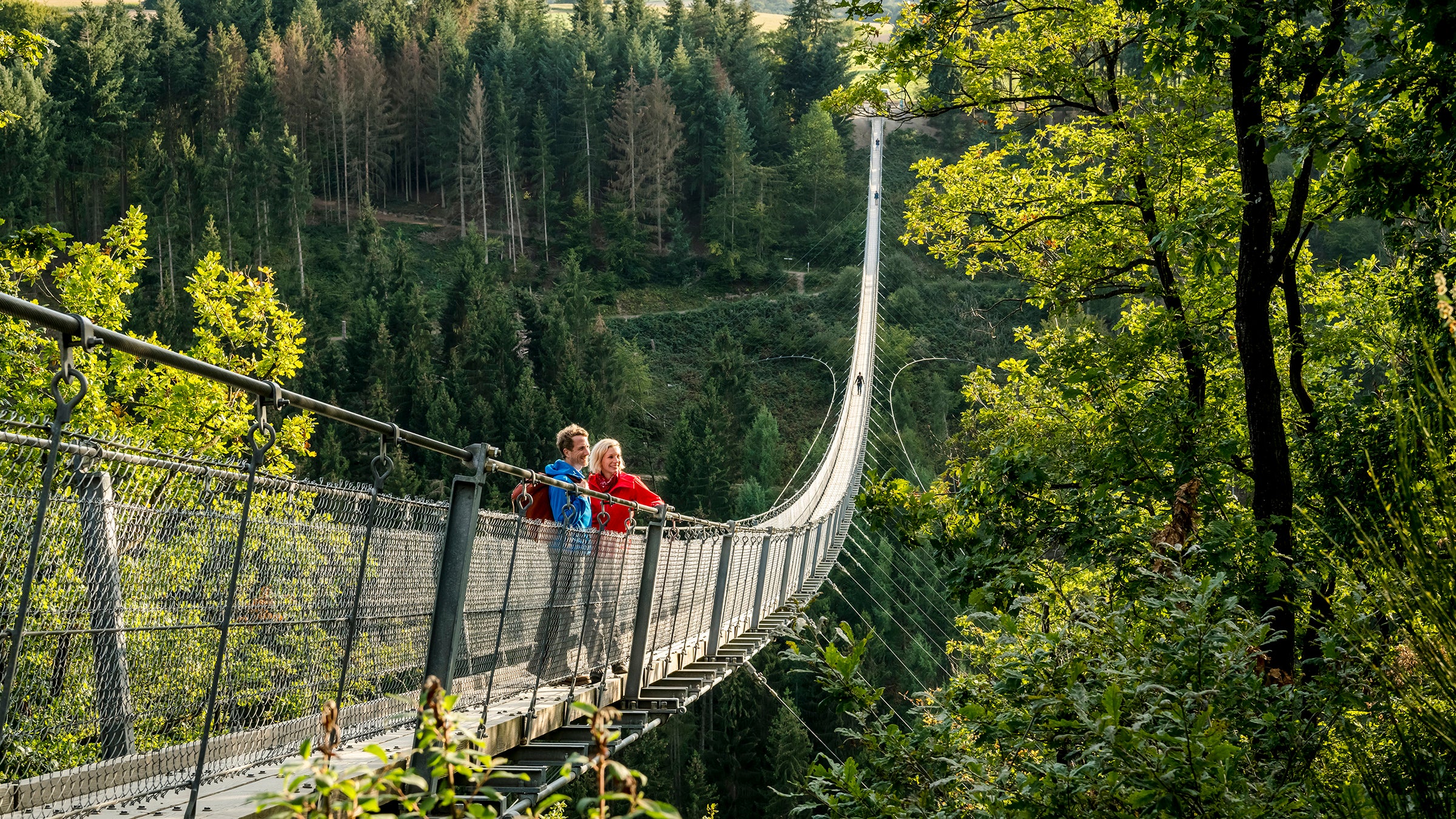
Germany’s northern coastlines, bordering the Baltic and North Seas, offer a contrasting landscape of sandy beaches, rugged cliffs, and picturesque islands.
The Baltic Sea Coast: Sandy Beaches and Seaside Resorts
The Baltic Sea coast is characterized by its long stretches of sandy beaches, charming seaside resorts, and historic Hanseatic cities. The island of Rügen, Germany’s largest island, is a popular destination, known for its chalk cliffs, sandy beaches, and the Jasmund National Park. The coastal region also offers opportunities for sailing, windsurfing, and other water sports.
The North Sea Coast: Tidal Flats and Island Adventures
The North Sea coast is defined by its unique tidal flats, known as the Wadden Sea. This UNESCO World Heritage Site is a haven for migratory birds and marine life. Island hopping is a popular activity, with islands like Sylt, known for its upscale resorts and windswept beaches, and the East Frisian Islands, offering a more tranquil and rustic experience. The Wadden Sea offers guided mudflat walks, a unique opportunity to explore the ecosystem at low tide.
The Islands: Sylt, Rügen, and Beyond
Germany’s islands, scattered across the Baltic and North Seas, offer a diverse range of experiences. Sylt, with its luxurious atmosphere and world-class beaches, attracts a discerning clientele. Rügen, with its dramatic landscapes and national park, appeals to nature lovers. The East Frisian Islands, with their tranquil atmosphere and traditional charm, offer a peaceful escape from the mainland.
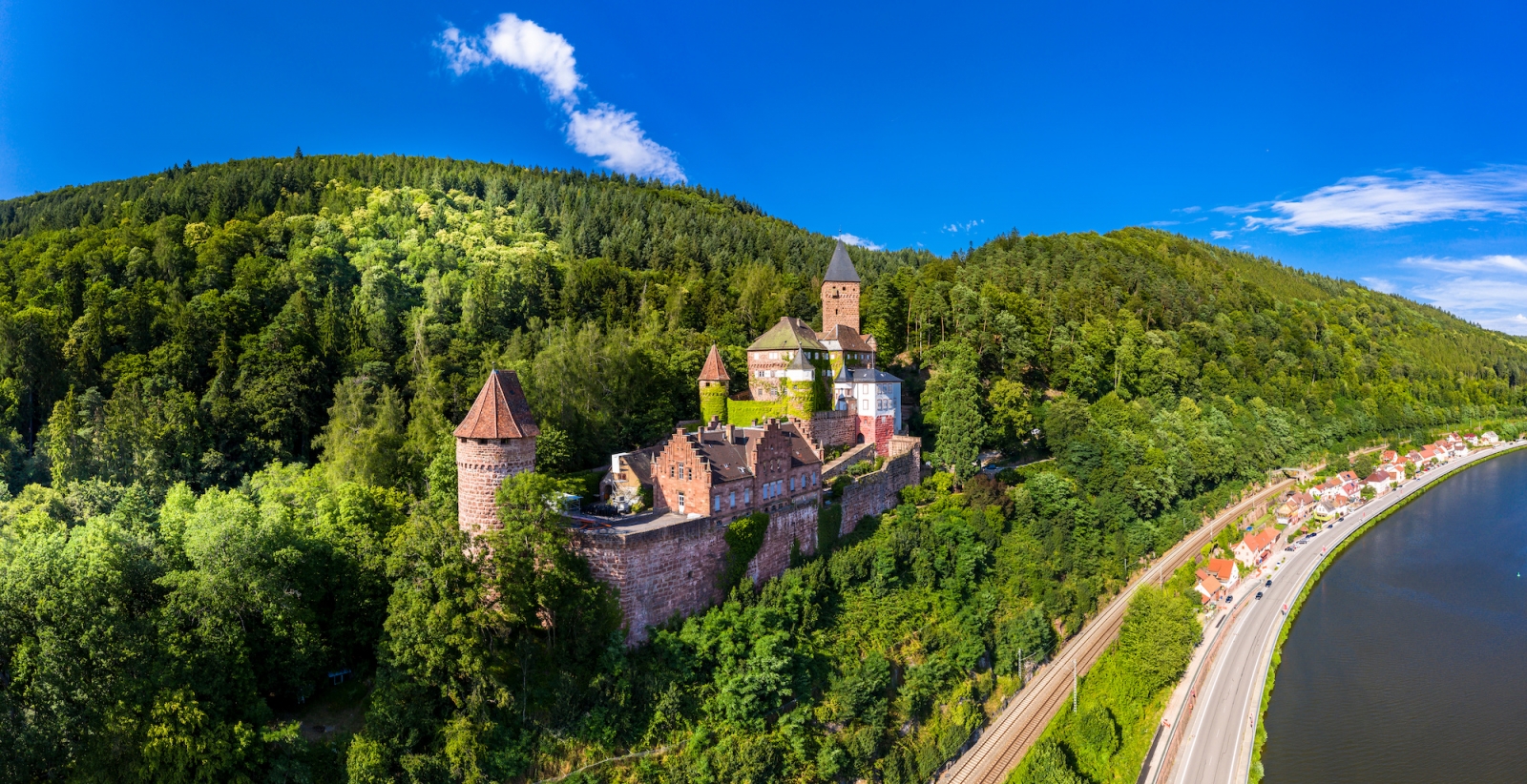
Central Germany, characterized by its rolling hills, dense forests, and meandering rivers, offers a diverse range of natural attractions.
The Harz Mountains: A Mythical Wonderland
The Harz Mountains, shrouded in folklore and legend, are a popular destination for hiking and winter sports. The Brocken, the highest peak in the Harz, is often shrouded in mist and fog, adding to its mystical atmosphere. The Harz National Park offers a network of hiking trails, mountain biking routes, and cross-country skiing trails.
The Rhine Valley: A Romantic River Journey
The Rhine Valley, a UNESCO World Heritage Site, is renowned for its picturesque landscapes, historic castles, and vineyards. River cruises offer visitors the chance to experience the valley’s beauty from a unique perspective. The Loreley Rock, a legendary landmark, is a popular stop on river cruises. Hiking and cycling trails wind through the vineyards and along the riverbanks.
The Eifel Region: Volcanic Landscapes and Maars
The Eifel region, characterized by its volcanic landscapes and maars (volcanic crater lakes), offers a unique natural experience. The Eifel National Park protects a diverse range of habitats, including forests, wetlands, and grasslands. Hiking trails and cycling routes crisscross the region, offering opportunities to explore its volcanic landscapes.
As nature tourism grows in popularity, the importance of sustainable practices becomes increasingly crucial.
National Parks and Nature Reserves: Protecting Biodiversity
Germany’s network of national parks and nature reserves plays a vital role in protecting the country’s biodiversity. These protected areas provide habitats for diverse flora and fauna, while also offering opportunities for nature-based recreation.
Eco-Friendly Accommodation and Transportation
A growing number of eco-friendly accommodations and transportation options are available for nature tourists. Eco-lodges, farm stays, and campsites offer sustainable alternatives to traditional hotels. Public transportation, cycling, and hiking are encouraged to reduce the environmental impact of tourism.
Responsible Travel Practices: Minimizing Footprint
Responsible travel practices, such as minimizing waste, respecting wildlife, and supporting local communities, are essential for preserving Germany’s natural heritage. Visitors are encouraged to follow Leave No Trace principles and to choose sustainable tour operators and activities.
Germany offers a wide range of activities for nature lovers, catering to diverse interests and skill levels.
Hiking and Trekking: Discovering Scenic Trails
Hiking and trekking are popular activities throughout Germany, with trails ranging from easy walks to challenging mountain treks. The country’s national parks and nature reserves offer a vast network of trails, providing opportunities to explore diverse landscapes.
Cycling and Mountain Biking: Exploring on Two Wheels
Cycling and mountain biking are excellent ways to explore Germany’s countryside. Dedicated cycling routes wind through forests, along rivers, and through picturesque villages. Mountain biking trails offer adrenaline-pumping experiences in mountainous regions.
Water Sports: Sailing, Kayaking, and More
Germany’s coastlines and lakes offer ample opportunities for water sports. Sailing, kayaking, windsurfing, and swimming are popular activities. River cruises provide a relaxing way to explore the country’s waterways.
Wildlife Watching and Birding: Observing Nature’s Wonders
Germany is home to diverse wildlife, including deer, wild boar, foxes, and numerous bird species. National parks and nature reserves offer opportunities for wildlife watching and birding. The Wadden Sea is a particularly popular destination for birdwatching.
Winter Sports: Skiing, Snowboarding, and More
Germany’s mountainous regions offer excellent opportunities for winter sports. Skiing, snowboarding, cross-country skiing, and snowshoeing are popular activities. The Bavarian Alps and the Harz Mountains are popular destinations for winter sports enthusiasts.
Planning a nature tourism trip to Germany requires careful consideration of your interests, budget, and travel style.
Choosing Your Destination: Matching Interests and Preferences
Consider your interests and preferences when choosing your destination. Do you prefer mountains, coastlines, forests, or rivers? Are you interested in hiking, cycling, water sports, or wildlife watching?
Best Time to Visit: Seasonal Considerations
The best time to visit Germany for nature tourism depends on your chosen activities and destinations. Summer (June-August) is ideal for hiking, cycling, and water sports. Spring (April-May) and autumn (September-October) offer pleasant weather for outdoor activities. Winter (December-February) is ideal for winter sports.
Accommodation Options: From Eco-Lodges to Campsites
Germany offers a wide range of accommodation options, from eco-lodges and farm stays to campsites and traditional hotels. Choose accommodation that aligns with your budget and travel style.
Transportation: Getting Around Germany
Germany has an excellent public transportation system, including trains, buses, and trams. Consider purchasing a rail pass if you plan to travel extensively by train. Cycling and hiking are also excellent ways to explore local areas.
Resources and Information: Planning Your Trip
Numerous resources are available to help you plan your nature tourism trip to Germany. Websites like the German National Tourist Board and the Federal Agency for Nature Conservation provide valuable information on destinations, activities, and sustainable travel practices.
Germany’s natural landscapes offer a wealth of opportunities for nature tourism, catering to diverse interests and skill levels. By embracing sustainable travel practices, visitors can help preserve the country’s natural heritage for future generations. From the majestic Alps to the serene coastlines, Germany’s natural wonders await, offering unforgettable experiences for nature lovers.


