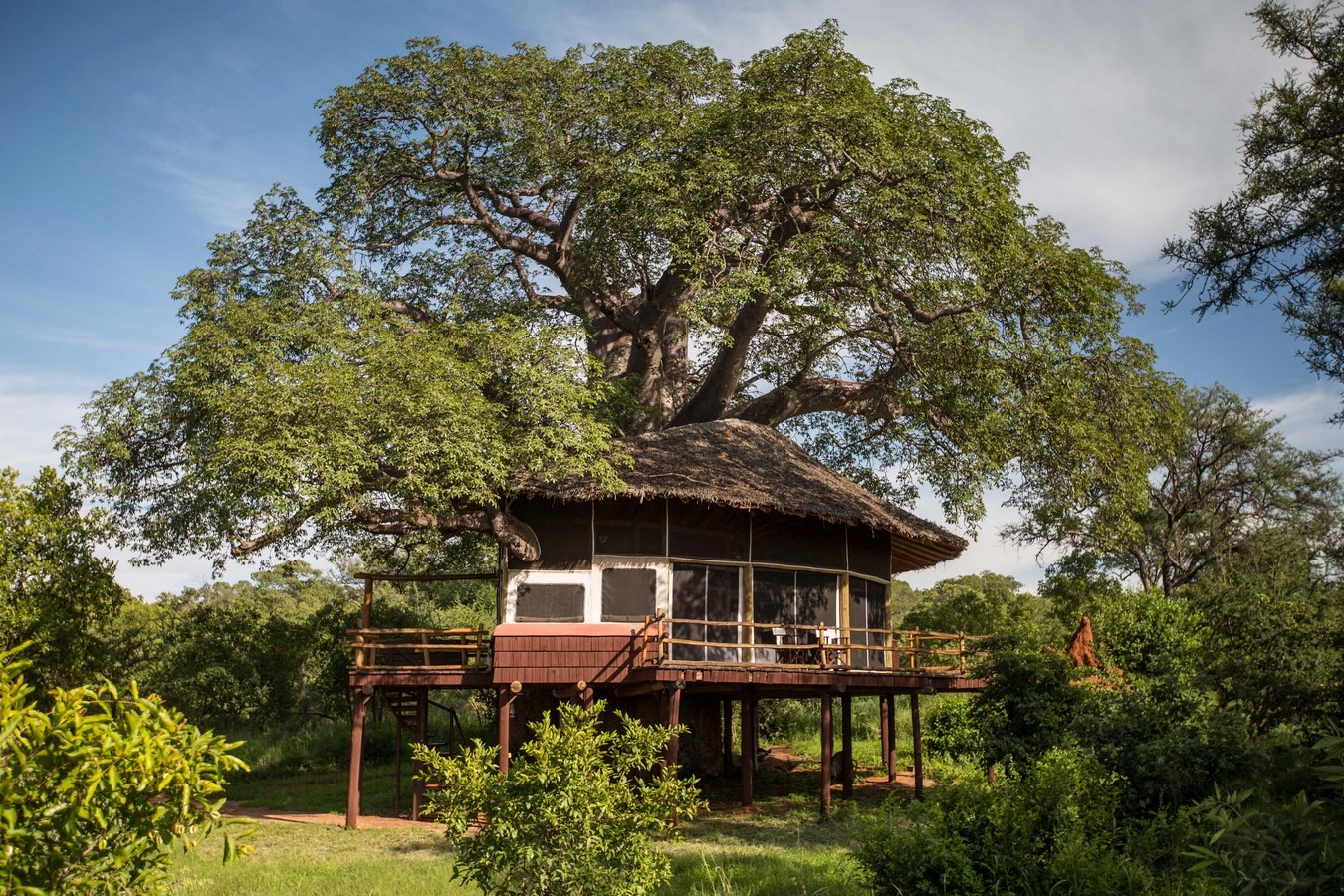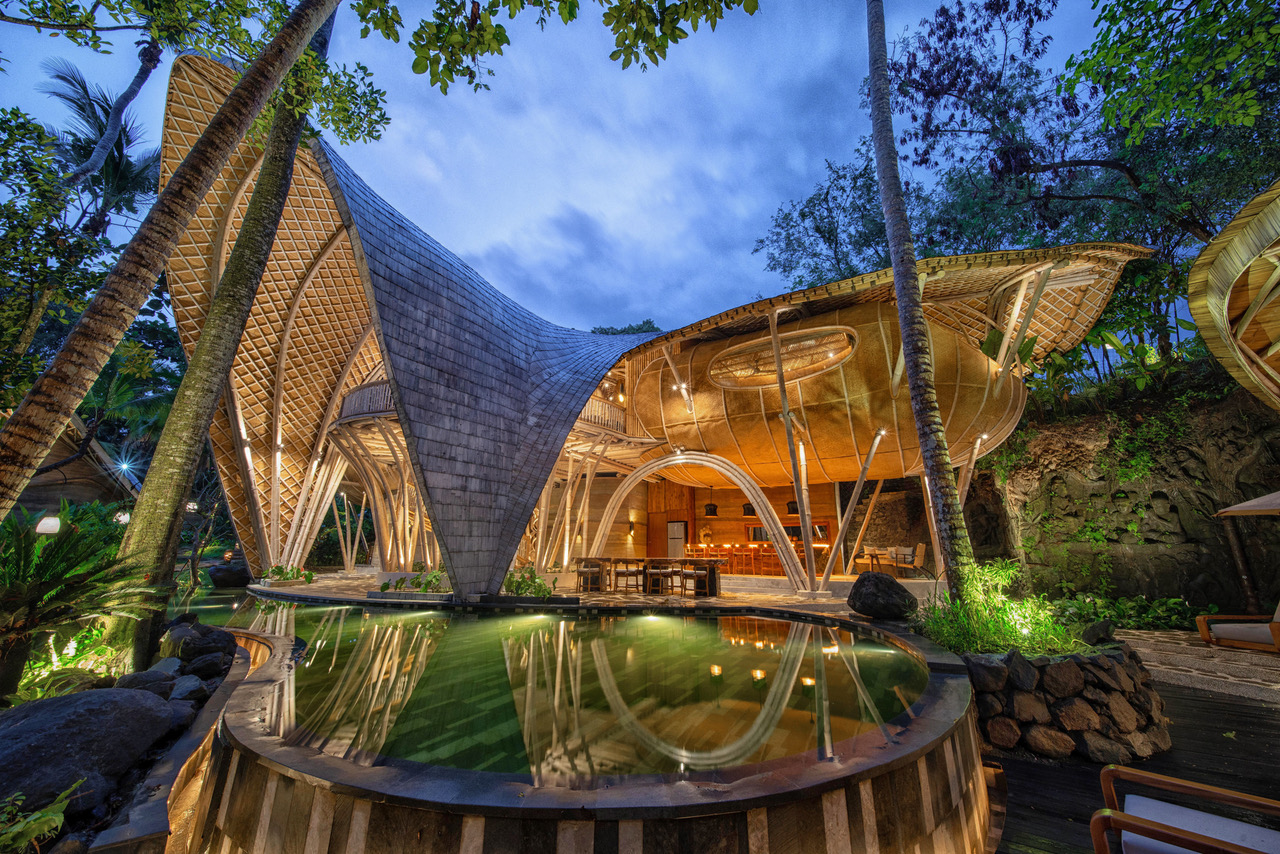
Building With Nature: Eco-Tourism Architecture

Building With Nature: Eco-Tourism Architecture

Posted on

Harmonizing with Nature: The Principles and Practices of Eco-tourism Architecture

Eco-tourism, a burgeoning sector of the travel industry, emphasizes responsible travel to natural areas, conserving the environment, and improving the well-being of local people. At the heart of this philosophy lies eco-tourism architecture, a discipline that seeks to create built environments that minimize environmental impact while maximizing the visitor experience and benefiting host communities. This article delves into the principles, practices, and challenges of eco-tourism architecture, exploring how it fosters a deeper connection between humans and the natural world.

  • I. Core Principles of Eco-Tourism Architecture
  • Eco-tourism architecture transcends mere aesthetics; it’s a holistic approach rooted in sustainability and respect for the environment. These fundamental principles guide the design and construction of eco-lodges, resorts, and visitor centers:

    1. Minimizing Environmental Impact

    Building With Nature: Eco-Tourism Architecture
    Eco-Tourism Architecture illustrarch

    Site Sensitivity: Careful site selection is paramount. Architects must assess the existing ecosystem, topography, and hydrology to minimize disruption. This includes avoiding sensitive areas like wetlands, forests, and wildlife habitats.

  • Low-Impact Construction: Employing construction techniques that reduce soil erosion, vegetation removal, and habitat fragmentation is crucial. Prefabricated components, raised platforms, and minimal excavation are favored.
  • Sustainable Materials: Utilizing locally sourced, renewable, and recycled materials reduces the carbon footprint and supports local economies. Bamboo, timber from sustainably managed forests, and rammed earth are common choices.
  • Energy Efficiency: Designing buildings that maximize natural light and ventilation, incorporating solar panels, and utilizing energy-efficient appliances are essential for reducing energy consumption.
  • Water Conservation: Implementing rainwater harvesting, greywater recycling, and low-flow fixtures minimizes water usage.

  • 2. Integration with the Natural Environment

    Biophilic Design: Incorporating natural elements like plants, water features, and natural light into the design creates a sense of connection with nature and enhances well-being.

  • Contextual Design: The architecture should reflect the local landscape, climate, and culture. Using indigenous building styles and materials helps to blend the structure into its surroundings.
  • Views and Vistas: Maximizing views of the natural landscape through strategic placement of windows, balconies, and observation decks enhances the visitor experience.
  • Natural Ventilation and Lighting: Designing buildings that utilize natural airflow and daylight reduces the need for artificial lighting and air conditioning, minimizing energy consumption.

  • 3. Socio-Cultural Sensitivity

    Community Involvement: Engaging local communities in the planning, design, and construction process ensures that the project benefits them and respects their cultural values.

  • Cultural Preservation: Incorporating local architectural styles, crafts, and traditions into the design helps to preserve cultural heritage and create a unique sense of place.
  • Economic Benefits: Eco-tourism projects should provide economic opportunities for local communities through employment, sourcing of materials, and provision of services.
  • Education and Interpretation: Integrating educational elements into the design, such as interpretive displays and guided tours, helps to raise awareness about the local environment and culture.

  • II. Architectural Practices in Eco-Tourism
  • image.title
    MASK Architects envision an eco-tourism resort that autonomously

    Translating these principles into tangible structures requires innovative architectural practices and technologies.

    1. Modular and Prefabricated Construction

    Modular construction involves building components off-site and then assembling them on-site, reducing construction time, waste, and environmental impact.

  • Prefabricated structures minimize site disturbance and allow for flexibility in design and expansion.

  • 2. Natural Building Techniques

    Rammed earth construction utilizes compacted layers of earth, creating durable and thermally efficient walls.

  • Adobe construction uses sun-dried bricks made from earth and straw, providing natural insulation and a rustic aesthetic.
  • Bamboo construction offers a sustainable and versatile material for building structures and furniture.

  • 3. Green Roofs and Living Walls

    Green roofs provide insulation, reduce stormwater runoff, and create habitats for wildlife.

  • Living walls enhance air quality, reduce heat gain, and create a visually appealing connection with nature.

  • 4. Water Management Systems

    image.title
    Eco-Tourism Architecture illustrarch

    Rainwater harvesting systems collect and store rainwater for use in irrigation, toilet flushing, and other non-potable purposes.

  • Greywater recycling systems treat and reuse wastewater from showers and sinks for irrigation and toilet flushing.
  • Constructed wetlands use natural processes to treat wastewater, creating habitats for wildlife and enhancing biodiversity.

  • 5. Renewable Energy Integration

    Solar photovoltaic systems convert sunlight into electricity, providing a clean and renewable energy source.

  • Solar hot water systems use solar energy to heat water for showers and other uses.
  • Wind turbines, micro-hydro systems, and geothermal energy can provide power where the resources are available.

  • III. Case Studies: Exemplary Eco-Tourism Architecture
  • Several projects around the world exemplify the principles and practices of eco-tourism architecture.

    1. Soneva Kiri, Thailand

    This luxury resort is built using locally sourced materials and incorporates traditional Thai architectural elements.

  • The resort features solar panels, rainwater harvesting systems, and a waste management program that minimizes environmental impact.
  • The resort actively engages with the local community, providing employment and supporting local businesses.

  • 2. Whitepod, Switzerland

    This eco-luxury hotel features geodesic domes that blend seamlessly into the alpine landscape.

  • The domes are heated with wood stoves and use low-energy lighting and water-saving fixtures.
  • The project prioritizes minimal environmental impact and offers guests a unique and immersive experience in nature.

  • 3. Pacuare Lodge, Costa Rica

    This lodge is accessible only by raft or by foot, minimizing its impact on the surrounding rainforest.

  • Buildings are constructed from locally sourced materials and powered by hydroelectricity.
  • The lodge engages in conservation efforts and provides economic opportunities for local communities.

  • 4. Six Senses Zil Pasyon, Seychelles

    Built on a private island, this resort used pre-fabricated villas to minimize on site disturbance.

  • The resort uses solar power, and has its own water filtration and bottling plant.
  • The resort focuses on restoring native plant species, and protecting the local wildlife.

  • IV. Challenges and Future Directions
  • Despite its growing popularity, eco-tourism architecture faces several challenges.

    1. Balancing Economic Viability and Environmental Sustainability

    Eco-tourism projects often require significant upfront investment, and it can be challenging to balance economic viability with environmental sustainability.

  • Finding the balance between providing luxury experiences and minimizing environmental impact is a constant challenge.

  • 2. Ensuring Community Benefits

    Ensuring that eco-tourism projects provide tangible benefits to local communities requires careful planning and implementation.

  • Avoiding the pitfalls of “greenwashing” and ensuring genuine community involvement is crucial.

  • 3. Adapting to Climate Change

    Climate change poses a significant threat to eco-tourism destinations, and architects must design buildings that are resilient to extreme weather events.

  • Incorporating climate-adaptive strategies into the design, such as flood-resistant construction and drought-tolerant landscaping, is essential.

  • 4. Technological Advancements

    The implementation of new technologies such as advanced solar panel technology, better water filtration systems, and new sustainable building materials, will help push eco-tourism architecture forward.

  • Continued research into materials that can sequester carbon will be a key part of future building.

  • Eco-tourism architecture is a vital tool for promoting sustainable tourism and fostering a deeper connection with nature. By embracing the principles of environmental sensitivity, cultural respect, and community benefit, architects can create built environments that not only minimize their impact on the planet but also enhance the lives of both visitors and host communities. As the demand for responsible travel continues to grow, eco-tourism architecture will play an increasingly important role in shaping the future of tourism.

    Leave a Reply

    Your email address will not be published. Required fields are marked *