
Bali’s Emerald Embrace: Navigating the Complexities of Ecotourism
Bali, the “Island of Gods,” has long captivated travelers with its vibrant culture, stunning landscapes, and spiritual allure. Yet, beneath the postcard-perfect facade lies a delicate ecosystem facing mounting pressures from mass tourism. Ecotourism, touted as a sustainable alternative, offers a potential path towards preserving Bali’s natural treasures while benefiting local communities. However, the reality is far more nuanced, riddled with challenges and requiring a critical examination.
Ecotourism, in its ideal form, strives to minimize environmental impact, promote cultural understanding, and empower local communities. In Bali, this translates to a range of experiences, from trekking through rice paddies and exploring ancient temples to snorkeling in pristine coral reefs and participating in village homestays. The goal is to provide travelers with authentic, immersive experiences that foster a deeper appreciation for Bali’s natural and cultural heritage, while ensuring that tourism revenues contribute to conservation and community development.
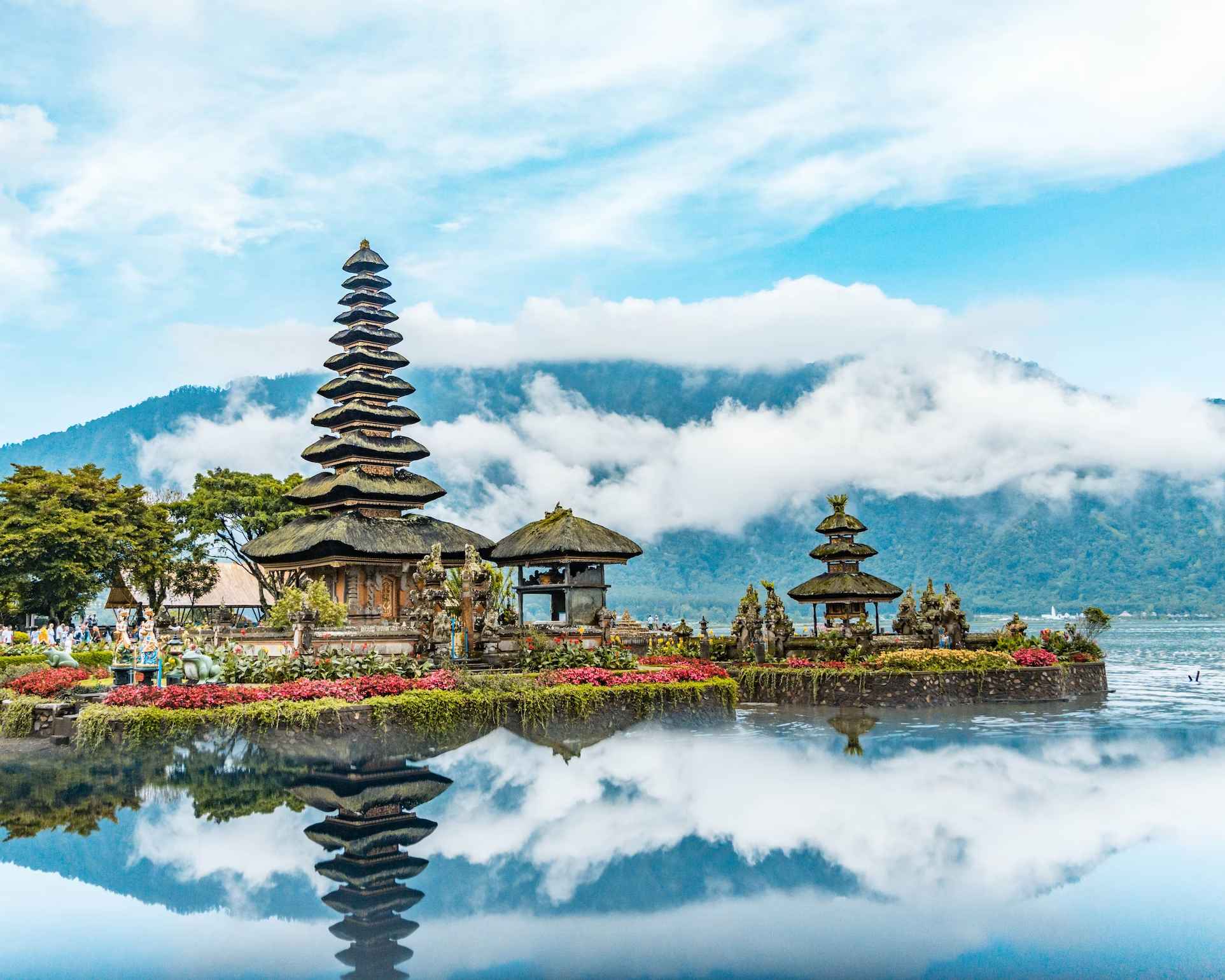
Trekking Through Jatiluwih Rice Terraces
The UNESCO-listed Jatiluwih rice terraces, a masterpiece of traditional Subak irrigation systems, offer a prime example of ecotourism potential. Guided treks through these emerald fields provide insights into Bali’s agricultural heritage and the intricate relationship between humans and nature. Local guides share knowledge of rice cultivation, traditional farming practices, and the spiritual significance of the landscape.
Snorkeling and Diving in Menjangan Island
Menjangan Island, part of the West Bali National Park, boasts some of Bali’s most pristine coral reefs. Snorkeling and diving here offer encounters with diverse marine life, including colorful fish, sea turtles, and reef sharks. Responsible tour operators prioritize reef conservation, educating visitors about marine ecosystems and adhering to strict guidelines to minimize disturbance.
Exploring the West Bali National Park
This vast protected area encompasses diverse habitats, from mangrove forests and savannahs to rainforests and coral reefs. Hiking and wildlife viewing in the park offer opportunities to observe Bali’s endemic flora and fauna, including the endangered Bali Starling. Guided tours led by experienced rangers ensure minimal impact on the fragile ecosystem.
Village Homestays and Cultural Immersion

Staying in a traditional Balinese village offers a unique opportunity to experience local culture firsthand. Homestays allow travelers to interact with villagers, learn about their daily lives, participate in traditional ceremonies, and support local economies directly. These experiences foster cultural exchange and promote mutual understanding.
Sustainable Farms and Cooking Classes
A growing number of farms are adopting sustainable practices, offering tours and workshops that highlight organic farming methods and traditional Balinese cuisine. Visitors can learn about local ingredients, participate in cooking classes, and enjoy farm-to-table meals, supporting ethical and environmentally friendly agriculture.
Despite its potential, ecotourism in Bali faces significant challenges that threaten its sustainability.
Greenwashing and Mislabeling
The term “ecotourism” is often misused as a marketing gimmick, with many operators simply rebranding conventional tours as “eco-friendly” without implementing genuine sustainability practices. This greenwashing deceives travelers and undermines genuine efforts to promote responsible tourism.
Overcrowding and Environmental Degradation
Even well-intentioned ecotourism activities can contribute to environmental degradation if not managed properly. Overcrowding at popular sites can lead to trail erosion, waste accumulation, and disturbance of wildlife. Excessive boat traffic in marine areas can damage coral reefs and harm marine animals.
Unequal Distribution of Benefits
While ecotourism aims to empower local communities, the benefits often accrue to external tour operators and investors, leaving local residents with minimal returns. This can lead to resentment and undermine community support for conservation efforts.
Cultural Commodification
The commercialization of traditional culture can lead to its distortion and commodification. Performances and ceremonies may be staged primarily for tourist consumption, losing their authentic meaning and spiritual significance.
Lack of Regulation and Enforcement
Weak regulation and enforcement of sustainability standards allow unscrupulous operators to engage in unsustainable practices without facing consequences. This lack of accountability undermines efforts to promote responsible tourism.
To ensure that ecotourism contributes positively to Bali’s environment and communities, a multi-pronged approach is necessary.
Strengthening Regulation and Enforcement
The government must strengthen regulations governing ecotourism, establish clear sustainability standards, and ensure effective enforcement. This includes licensing tour operators, monitoring environmental impacts, and penalizing those who violate regulations.
Promoting Community-Based Ecotourism
Empowering local communities to manage and benefit from ecotourism is crucial. This involves providing training and support to community-based organizations, ensuring equitable distribution of benefits, and respecting local cultural values.
Educating Travelers and Promoting Responsible Behavior
Raising awareness among travelers about responsible ecotourism practices is essential. This can be achieved through pre-trip information, on-site education, and promoting a culture of respect for the environment and local communities.
Supporting Sustainable Businesses
Encouraging the growth of sustainable tourism businesses that prioritize environmental and social responsibility is vital. This includes providing incentives for businesses that adopt eco-friendly practices and promoting responsible supply chains.
Investing in Infrastructure and Conservation
Investing in infrastructure that supports sustainable tourism, such as waste management systems and wastewater treatment plants, is crucial. Additionally, allocating funds for conservation initiatives, such as reforestation and marine protected areas, is essential.
Monitoring and Evaluating Impacts
Regularly monitoring and evaluating the environmental and social impacts of ecotourism is necessary to ensure that it is achieving its intended goals. This includes tracking environmental indicators, assessing community well-being, and adapting management strategies as needed.
Bali’s future as a sustainable tourism destination hinges on the ability to navigate the complexities of ecotourism. By embracing responsible practices, strengthening regulations, and empowering local communities, Bali can preserve its natural and cultural treasures for generations to come.
The Role of the Visitor
As a visitor, you hold a lot of power. Research tour operators carefully, prefer local guides and businesses that have an eco friendly mindset. Be aware of your own impact, by conserving water, limiting waste, and most importantly being culturally sensitive.
The Necessity of Constant Improvement
Ecotourism is not a fixed state, it must be continuously improving. As knowledge increases, and new threats appear, the approach to sustainability needs to keep evolving.
By understanding the challenges and embracing responsible practices, Bali can realize the promise of ecotourism, ensuring that its emerald embrace remains a source of wonder and inspiration for both visitors and locals alike.


