
Unveiling Nature’s Hidden Gems: Eco-tourism Adventures Near Surat
Surat, a bustling diamond and textile hub, often overshadows the natural beauty that surrounds it. Beyond the city’s industrial landscape lies a treasure trove of eco-tourism destinations, offering respite from urban life and a chance to reconnect with nature. This article delves into the diverse ecological wonders near Surat, exploring opportunities for sustainable travel and immersive experiences.
A Verdant Paradise: Exploring the Heart of the Dangs
The Dang district, a mere few hours from Surat, is a haven for nature enthusiasts. This densely forested region, predominantly inhabited by tribal communities, boasts a rich biodiversity and scenic landscapes. The Dangs are characterized by rolling hills, cascading waterfalls, and lush greenery, making it an ideal destination for trekking, birdwatching, and cultural immersion.
Saputara: A Hill Station Retreat
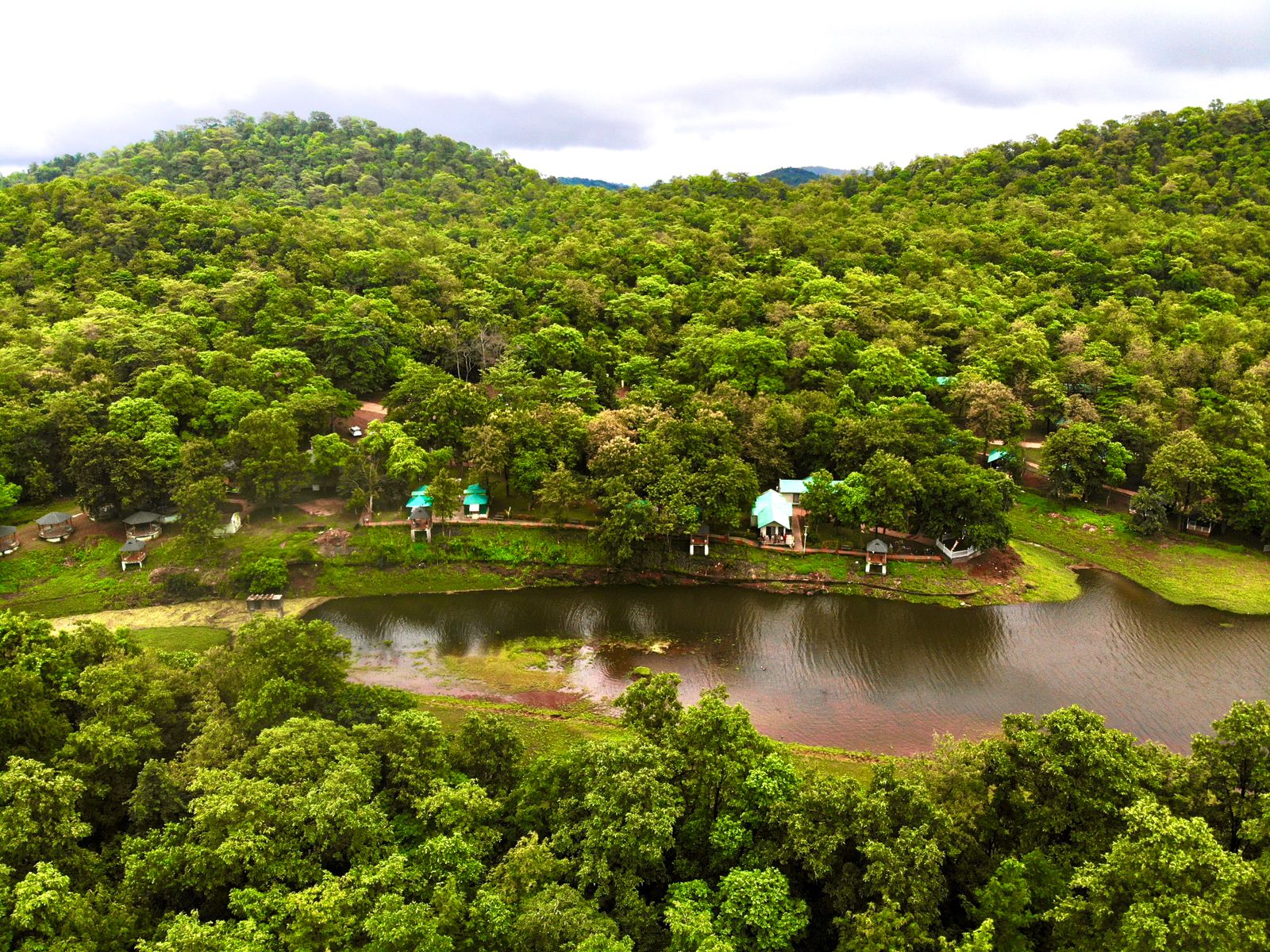
Saputara, the only hill station in Gujarat, is nestled within the Dang forests. Its pleasant climate, panoramic views, and well-maintained gardens attract visitors seeking a tranquil escape. Activities here include boating on Saputara Lake, exploring the Sunset Point for breathtaking vistas, and visiting the Saputara Museum to learn about the region’s tribal heritage.
Gira Falls: A Majestic Cascade
The Gira Falls, a spectacular waterfall plunging from a height of approximately 30 meters, is a must-visit in the Dangs. The monsoon season enhances the falls’ grandeur, making it a mesmerizing sight. The surrounding forest trails offer opportunities for hiking and nature walks.
Vansda National Park: A Biodiversity Hotspot
Vansda National Park, a protected area within the Dangs, is a haven for wildlife enthusiasts. This dense forest is home to leopards, hyenas, deer, and a variety of avian species. Birdwatching is particularly rewarding here, with opportunities to spot rare and endemic birds.
Tribal Culture Immersion: A Journey into Tradition
The Dangs are home to various tribal communities, including the Bhils and Warlis. Visitors can engage with these communities, learn about their unique customs and traditions, and witness their traditional art forms, such as Warli painting. Respectful and responsible interaction with these communities is crucial for sustainable tourism.
Dandi: A Historical and Ecological Journey
Dandi, historically significant for Mahatma Gandhi’s Salt Satyagraha, also offers ecological attractions. The coastline here is characterized by mangroves and mudflats, providing habitat for various marine species. Visitors can explore the coastline, learn about the region’s salt production, and observe migratory birds.
Tithal Beach: A Black Sand Experience
Tithal Beach, known for its unique black sand, is a popular destination near Surat. While not traditionally considered an eco-tourism hotspot, efforts are being made to promote responsible tourism and protect the beach’s ecosystem. Visitors can enjoy the beach, indulge in local cuisine, and witness the sunset.
Hazira: Industrial Landscape Meets Coastal Beauty
Hazira, an industrial area, also features a coastline with mangroves and mudflats. While industrial activity poses challenges, efforts are being made to conserve the remaining natural habitats. Exploring the coastline responsibly and understanding the environmental challenges is important.
Exploring the Gulf of Khambhat: Potential for Marine Eco-Tourism
The Gulf of Khambhat, bordering Surat, holds potential for marine eco-tourism. While industrial activity and tidal fluctuations pose challenges, the gulf’s diverse marine life, including dolphins and migratory birds, offers opportunities for sustainable tourism. Responsible operators and conservation efforts are crucial to realizing this potential.
Ukai Dam Reservoir: A Birdwatcher’s Paradise
The Ukai Dam reservoir, a vast expanse of water near Surat, attracts a wide variety of migratory and resident birds. Birdwatching enthusiasts can spot various waterbirds, including ducks, geese, and waders. Boat trips on the reservoir offer opportunities for close encounters with these avian species.
Purna Wildlife Sanctuary: A Riverine Ecosystem
The Purna Wildlife Sanctuary, located near the Ukai Dam, is characterized by its riverine ecosystem. The Purna River flows through the sanctuary, supporting a diverse range of flora and fauna. The sanctuary offers opportunities for trekking, birdwatching, and wildlife observation.
Wetland Habitats Along the Tapi River: Urban Ecology
The Tapi River, flowing through Surat, supports wetland habitats that provide refuge for various avian species. While urban development poses challenges, efforts are being made to conserve these habitats. Birdwatching along the riverbanks can reveal a surprising diversity of birds within the city limits.
Promoting Eco-Friendly Accommodation
Encouraging the development of eco-friendly accommodations, such as homestays and eco-lodges, is crucial for sustainable tourism. These accommodations should prioritize energy efficiency, waste reduction, and the use of local materials.
Supporting Local Communities and Economies
Eco-tourism should benefit local communities by providing employment opportunities and supporting local businesses. Tourists should prioritize purchasing local products and services, and engage with communities in a respectful and responsible manner.
Minimizing Environmental Impact
Responsible tourists should minimize their environmental footprint by reducing waste, conserving water and energy, and avoiding single-use plastics. Trekking and wildlife observation should be conducted with minimal disturbance to the natural environment.
Educating Visitors and Raising Awareness
Eco-tourism initiatives should include educational components that raise awareness about the region’s biodiversity and the importance of conservation. Visitors should be informed about local customs and traditions, and encouraged to respect the natural and cultural heritage.
Developing Sustainable Transportation Options
Promoting the use of public transportation, cycling, and walking can reduce the environmental impact of tourism. Developing well-maintained trails and cycling routes can enhance the visitor experience and encourage sustainable transportation.
The future of eco-tourism near Surat depends on a collaborative effort between government agencies, tourism operators, local communities, and visitors. By adopting sustainable practices, promoting responsible tourism, and prioritizing conservation, we can ensure that these natural treasures are preserved for future generations.
The region around Surat offers a wealth of eco-tourism opportunities, from the lush forests of the Dangs to the coastal ecosystems along the Arabian Sea. By embracing sustainable practices and responsible tourism, we can unlock the region’s potential as a premier eco-tourism destination, benefiting both nature and local communities. The journey to discover these natural wonders is an invitation to connect with the environment, learn about local cultures, and contribute to a more sustainable future.


