
Beyond the Neon: Unveiling the Natural Wonders Surrounding Las Vegas
Las Vegas, a city synonymous with dazzling lights and high-stakes entertainment, often overshadows the breathtaking natural beauty that lies just beyond its shimmering facade. While the Strip pulsates with energy, a mere stone’s throw away, a landscape of dramatic canyons, serene lakes, and rugged mountains awaits, offering a refreshing escape from the urban clamor. This article delves into the diverse natural attractions near Las Vegas, proving that the city is not just a gateway to glitz, but also a portal to some of the most stunning landscapes in the American Southwest.
Red Rock Canyon National Conservation Area: A Palette of Crimson and Cream
Red Rock Canyon, a mere 15 miles west of Las Vegas, is a geological masterpiece. Its towering sandstone formations, painted in vibrant shades of red, orange, and cream, are a testament to millions of years of wind and water erosion. The area offers a plethora of activities for outdoor enthusiasts, from scenic drives and hiking trails to rock climbing and wildlife viewing.
Scenic Drive and Hiking Trails:
The 13-mile scenic loop drive provides a captivating overview of the canyon’s diverse landscapes. Numerous pull-offs offer opportunities for photography and short walks. For those seeking a more immersive experience, a network of hiking trails caters to all skill levels. Popular trails include the easy Calico Hills Trail, the moderate Ice Box Canyon Trail, and the challenging Turtlehead Peak Trail, each offering unique perspectives and breathtaking vistas.
Rock Climbing and Wildlife:
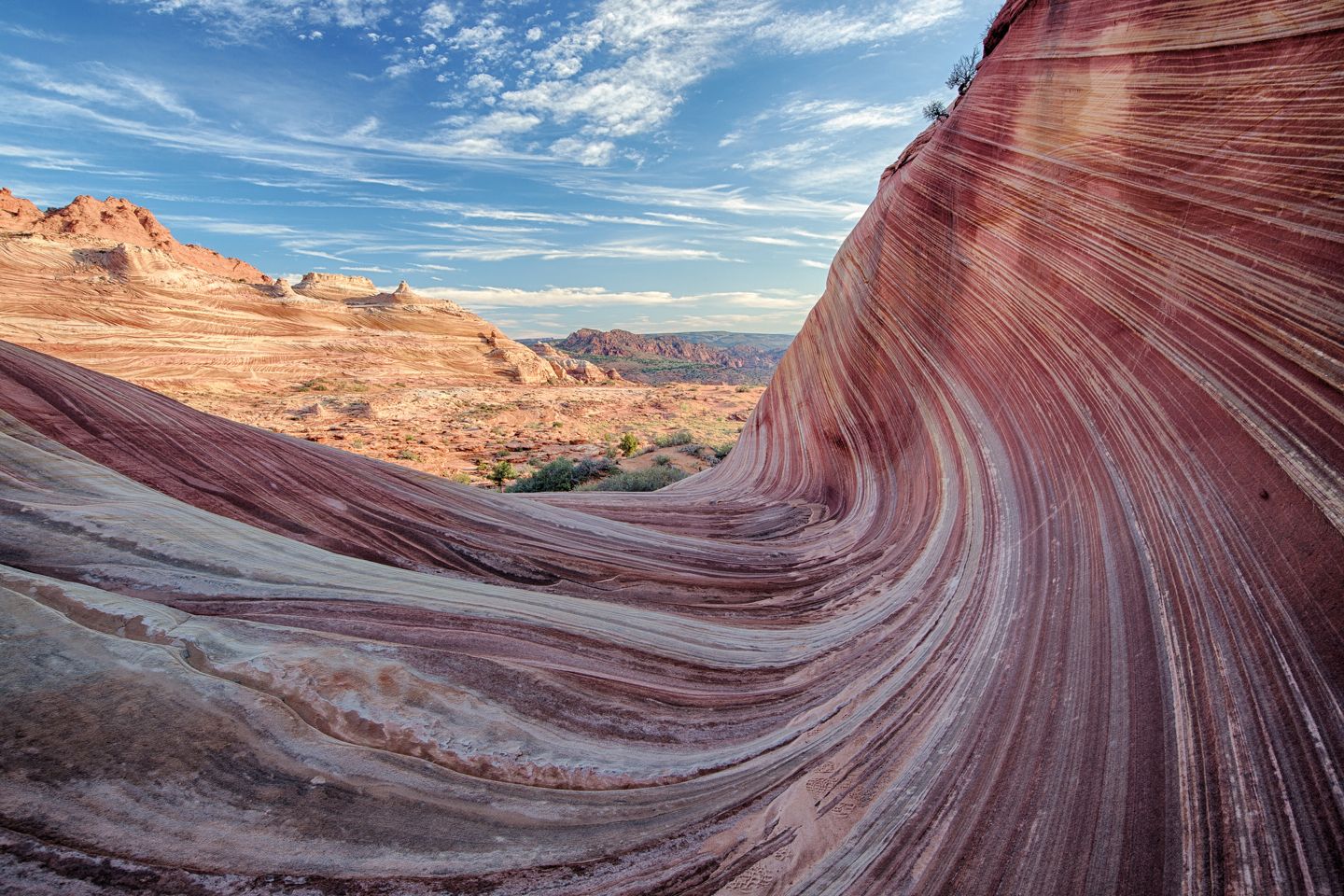
Red Rock Canyon is a world-renowned rock climbing destination, attracting climbers from around the globe. Its diverse routes, ranging from beginner-friendly to expert-level, cater to all skill levels. Beyond the rocks, the area is home to a variety of wildlife, including desert tortoises, bighorn sheep, and numerous bird species. Keep an eye out for these fascinating creatures as you explore the canyon.
Valley of Fire State Park: Where Fire Meets Stone
Valley of Fire State Park, located about an hour northeast of Las Vegas, is a surreal landscape of fiery red Aztec sandstone formations. The park’s name aptly describes the vibrant hues that illuminate the rocks, particularly during sunrise and sunset.
Iconic Rock Formations:
Valley of Fire is renowned for its iconic rock formations, including Elephant Rock, Arch Rock, and the Beehives. These unique formations, shaped by wind and water over millennia, create a surreal and otherworldly landscape. Hiking trails wind through the park, offering close-up views of these natural wonders.
Petroglyphs and Ancient History:
The park is also home to numerous petroglyphs, ancient rock carvings left by the Ancestral Puebloans. These intricate carvings provide a glimpse into the lives and beliefs of the people who inhabited this region centuries ago. Mouse’s Tank Trail is a short, easy hike that leads to a canyon with a concentration of petroglyphs.
Scenic Drives and Photography:
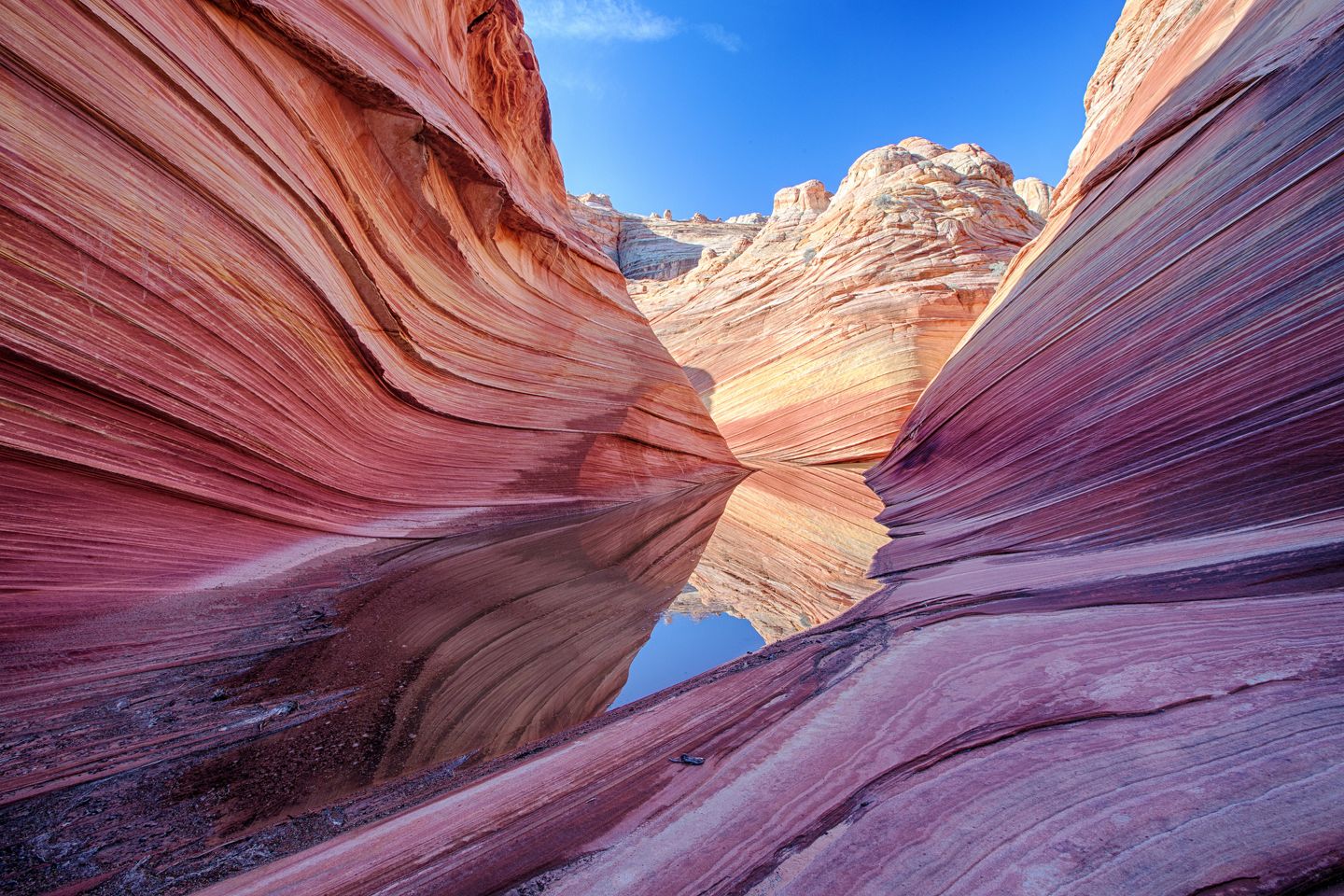
The park’s scenic drives offer stunning views of the red rock landscapes. The Valley of Fire Highway, a designated Nevada Scenic Byway, is a must-drive for anyone visiting the park. The vibrant colors and dramatic formations make Valley of Fire a photographer’s paradise.
Mount Charleston: A Cool Escape to Alpine Heights
Mount Charleston, a towering peak located about 35 miles northwest of Las Vegas, offers a refreshing escape from the desert heat. Its alpine forests, cool temperatures, and scenic trails provide a stark contrast to the surrounding desert landscape.
Hiking and Outdoor Activities:
Mount Charleston is a haven for hikers, with trails ranging from easy strolls to challenging climbs. The Cathedral Rock Trail and the Mary Jane Falls Trail are popular choices, offering stunning views and opportunities to experience the mountain’s diverse ecosystems. In winter, the area transforms into a snowy wonderland, attracting skiers and snowboarders to the Lee Canyon ski resort.
Scenic Drives and Picnics:
The Mount Charleston Scenic Byway winds through the mountain’s forests, offering breathtaking views of the surrounding valleys and peaks. Numerous picnic areas provide opportunities to enjoy a meal amidst the serene beauty of the mountain.
Wildlife and Biodiversity:
Mount Charleston is home to a variety of wildlife, including mule deer, mountain lions, and numerous bird species. The mountain’s diverse ecosystems, ranging from desert scrub to alpine forests, support a rich array of plant and animal life.
Lake Mead National Recreation Area: A Water Wonderland in the Desert
Lake Mead National Recreation Area, located about 30 miles southeast of Las Vegas, is a vast expanse of water and rugged landscapes. The reservoir, formed by the Hoover Dam, offers a wide range of recreational activities, from boating and fishing to hiking and camping.
Boating and Water Sports:
Lake Mead is a popular destination for boating, kayaking, and paddleboarding. Its vast expanse of water provides ample opportunities for exploration and relaxation. Numerous marinas and boat ramps offer access to the lake.
Fishing and Wildlife Viewing:
Lake Mead is home to a variety of fish species, including striped bass, largemouth bass, and catfish. The area is also home to a variety of wildlife, including bighorn sheep, coyotes, and numerous bird species.
Hiking and Scenic Vistas:
The area surrounding Lake Mead offers a network of hiking trails, ranging from easy strolls to challenging climbs. The Historic Railroad Tunnel Trail is a popular choice, offering scenic views of the lake and the surrounding mountains. The area also offers numerous scenic overlooks, providing panoramic vistas of the lake and the rugged landscape.
Hoover Dam: An Engineering Marvel
While technically a man-made structure, the Hoover Dam’s sheer scale and engineering brilliance make it a must-see attraction near Las Vegas. Located about 30 miles southeast of the city, the dam spans the Black Canyon of the Colorado River, creating Lake Mead.
Guided tours and Visitor Center:
The Hoover Dam offers guided tours that delve into the history and engineering of this iconic structure. The visitor center provides exhibits and displays that showcase the dam’s construction and operation.
Scenic Overlooks and Photography:
The dam offers numerous scenic overlooks, providing breathtaking views of the dam, Lake Mead, and the surrounding canyon. The sheer scale and architectural beauty of the dam make it a photographer’s paradise.
Historical Significance:
The Hoover Dam played a crucial role in the development of the American Southwest, providing water and power to the region. Its construction during the Great Depression was a testament to human ingenuity and perseverance.
Conclusion: A Natural Oasis Beyond the Glitter
Las Vegas, often perceived as a city of artificial lights and manufactured entertainment, is surrounded by a wealth of natural treasures. From the fiery red rocks of Valley of Fire to the cool alpine heights of Mount Charleston, the region offers a diverse array of landscapes and activities. Whether you seek adventure, relaxation, or simply a connection with nature, the natural attractions near Las Vegas provide a refreshing and unforgettable escape from the urban bustle. Exploring these natural wonders reveals a different side of Las Vegas, one that showcases the beauty and diversity of the American Southwest. So, venture beyond the neon, and discover the natural oasis that lies just beyond the glittering facade of Sin City.


