
Embracing the Wild: A Deep Dive into Nature-Based tourism Activities
Nature-based tourism, a sector experiencing exponential growth, offers a powerful antidote to the increasingly urbanized and digitally dominated lives many lead. It’s more than just a vacation; it’s an opportunity to reconnect with the natural world, fostering a deeper appreciation for its beauty and fragility. This article explores the diverse range of nature-based tourism activities, examining their benefits, challenges, and the vital role they play in conservation efforts.
Nature-based tourism centers on experiencing and appreciating natural environments. It encompasses a broad spectrum of activities, all sharing a common thread: a focus on interacting with the natural world in a responsible and sustainable manner. This form of tourism aims to minimize negative impacts on the environment while maximizing positive contributions to conservation and local communities.
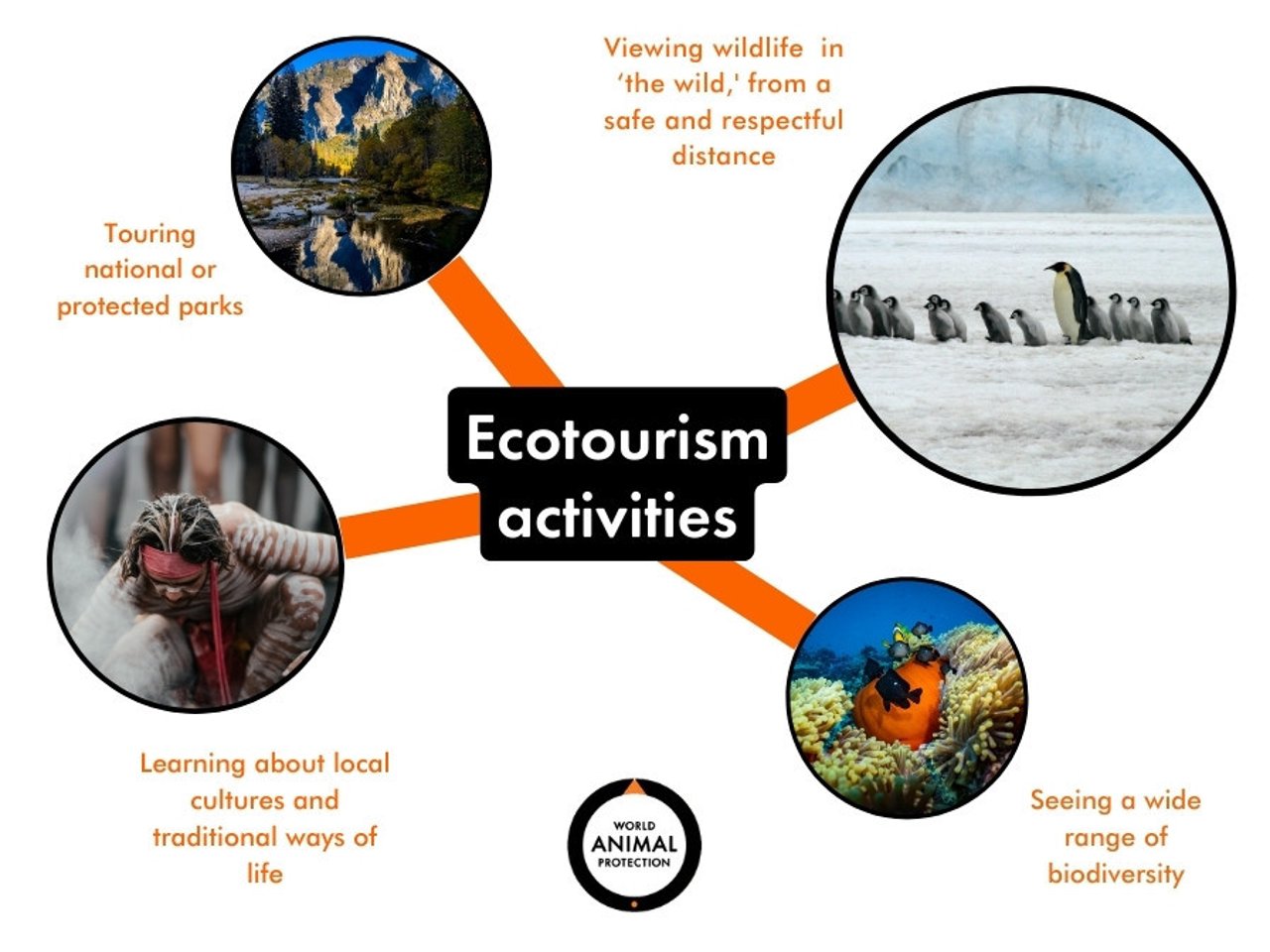
Wildlife Viewing and Safaris
One of the most popular forms of nature-based tourism, wildlife viewing, offers the chance to observe animals in their natural habitats. From the African savanna to the Amazon rainforest, these experiences provide unforgettable encounters with diverse species. Safaris, often conducted in open-air vehicles, allow for close-up views of iconic megafauna, while birdwatching expeditions cater to those seeking avian wonders. Responsible wildlife viewing adheres to strict guidelines, prioritizing animal welfare and minimizing disturbance.
Hiking and Trekking
Immersing oneself in nature through hiking and trekking is a transformative experience. Trails winding through mountains, forests, and deserts offer breathtaking vistas and opportunities for physical and mental rejuvenation. Whether it’s a leisurely stroll or a challenging multi-day trek, these activities promote a sense of connection with the landscape. Well-maintained trails, experienced guides, and adherence to leave-no-trace principles are essential for minimizing environmental impact.
Water-Based Adventures
The world’s oceans, rivers, and lakes provide a playground for a myriad of nature-based activities. Kayaking, canoeing, white-water rafting, and snorkeling offer unique perspectives on aquatic ecosystems. Whale watching and dolphin cruises allow for encounters with marine mammals, while scuba diving and freediving reveal the vibrant underwater world. Responsible water-based tourism emphasizes respecting marine life, avoiding pollution, and supporting sustainable fishing practices.
Ecotourism and Community-Based Tourism
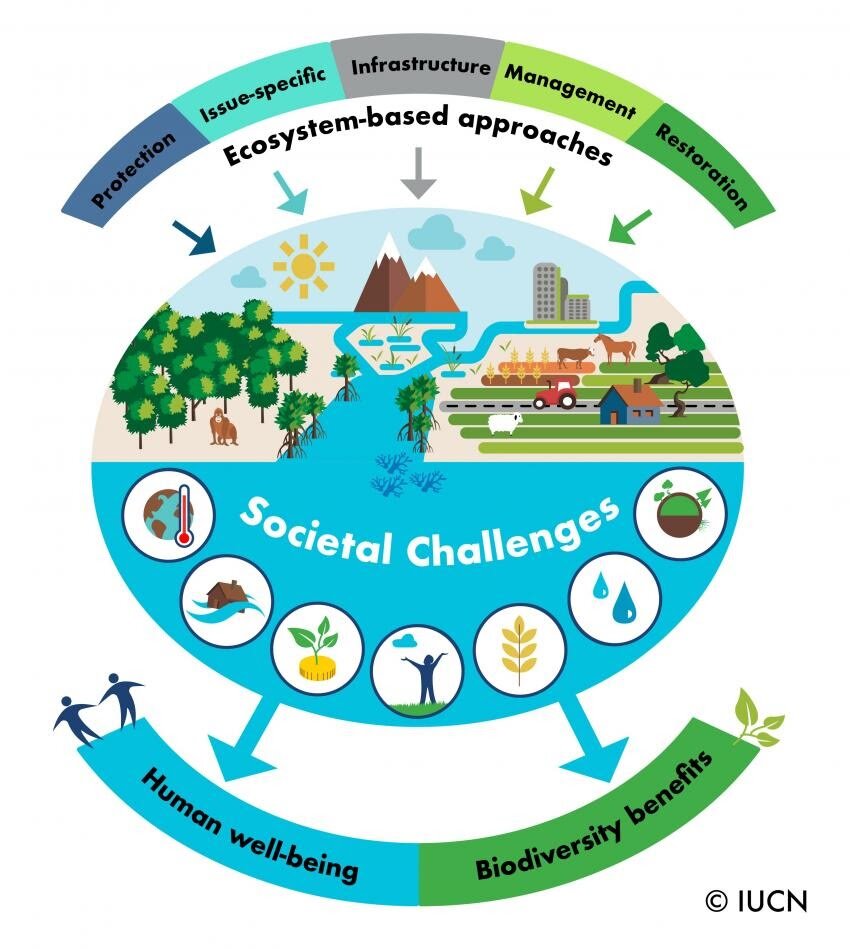
Ecotourism, a subset of nature-based tourism, prioritizes environmental conservation and the well-being of local communities. It involves traveling to natural areas, minimizing environmental impact, and contributing to the protection of ecosystems. Community-based tourism empowers local communities to manage and benefit from tourism activities, fostering cultural exchange and economic development. These initiatives often involve homestays, guided tours by local experts, and participation in traditional crafts and activities.
Adventure Tourism and Extreme Sports
For thrill-seekers, nature-based adventure tourism offers adrenaline-pumping experiences. Rock climbing, mountaineering, canyoning, and paragliding provide opportunities to push physical and mental boundaries while exploring dramatic landscapes. These activities require specialized equipment, experienced guides, and a strong emphasis on safety and environmental responsibility.
Nature Photography and Art
Capturing the beauty of the natural world through photography and art is a powerful way to connect with nature and share its wonders. Nature photography allows for the documentation of wildlife, landscapes, and natural phenomena, while nature-inspired art expresses the emotional connection between humans and the environment. Responsible nature photography prioritizes animal welfare, avoids disturbing wildlife, and minimizes impact on fragile ecosystems.
Botanical Tourism and Forest Bathing
Exploring the world’s diverse flora is a rewarding nature-based activity. Botanical gardens, arboretums, and wildflower meadows offer opportunities to learn about plant life and appreciate its beauty. Forest bathing, or Shinrin-yoku, a Japanese practice, involves immersing oneself in the forest atmosphere, promoting relaxation and well-being. These activities emphasize the importance of plant conservation and the therapeutic benefits of nature.

Environmental Conservation
Financial Support: Tourism revenue can fund conservation projects, habitat restoration, and anti-poaching initiatives.
Economic Development
Job Creation: Tourism generates employment opportunities in rural areas, particularly for local communities.
Social and Cultural Benefits
Cultural Exchange: Tourism fosters interaction between tourists and local communities, promoting cultural understanding and respect.
Personal Well-being
Stress Reduction: Spending time in nature has been shown to reduce stress, anxiety, and depression.
Environmental Impacts
Habitat Disturbance: Increased tourism can disrupt wildlife behavior and damage fragile ecosystems.
Socio-Cultural Impacts
Cultural Commodification: Tourism can lead to the commercialization and exploitation of local cultures.
Economic Challenges
Seasonality: Tourism demand can fluctuate seasonally, leading to economic instability.
Sustainable Practices
Minimize Environmental Impact: Adhere to leave-no-trace principles, reduce waste, and conserve resources.
Education and Awareness
Educate Tourists: Provide information about environmental issues, local cultures, and responsible tourism practices.
Policy and Regulation
Implement Sustainable Tourism Policies: Develop and enforce policies that promote responsible tourism practices and protect natural resources.
Nature-based tourism has the potential to be a powerful force for conservation and sustainable development. By prioritizing responsible practices, educating tourists, and empowering local communities, we can ensure that future generations have the opportunity to experience the wonders of the natural world. As the world continues to face environmental challenges, nature-based tourism offers a pathway towards a more sustainable and harmonious relationship between humans and nature. It is an investment into both our planet and ourselves.


