The Quiet Observer: A Deep Dive into Nature tourism Observation
Nature tourism, at its heart, is a dialogue between humanity and the natural world. It moves beyond mere sightseeing, venturing into the realm of observation, understanding, and, ideally, conservation. This article delves into the nuances of nature tourism observation, exploring its diverse forms, ethical considerations, and the profound impact it can have on both the observer and the observed.
The Spectrum of Observation: From Casual Gaze to Scientific Inquiry
Nature tourism observation exists on a spectrum. At one end, we have the casual observer, perhaps a family on a guided tour, captivated by the sight of a breaching whale or a flock of vibrant birds. Their experience is primarily sensory, a moment of awe and wonder. At the other end, we find the dedicated naturalist, the researcher, or the citizen scientist, meticulously recording data, tracking animal behavior, or conducting ecological surveys. The depth of engagement varies, but the common thread is a desire to connect with and understand the natural world.
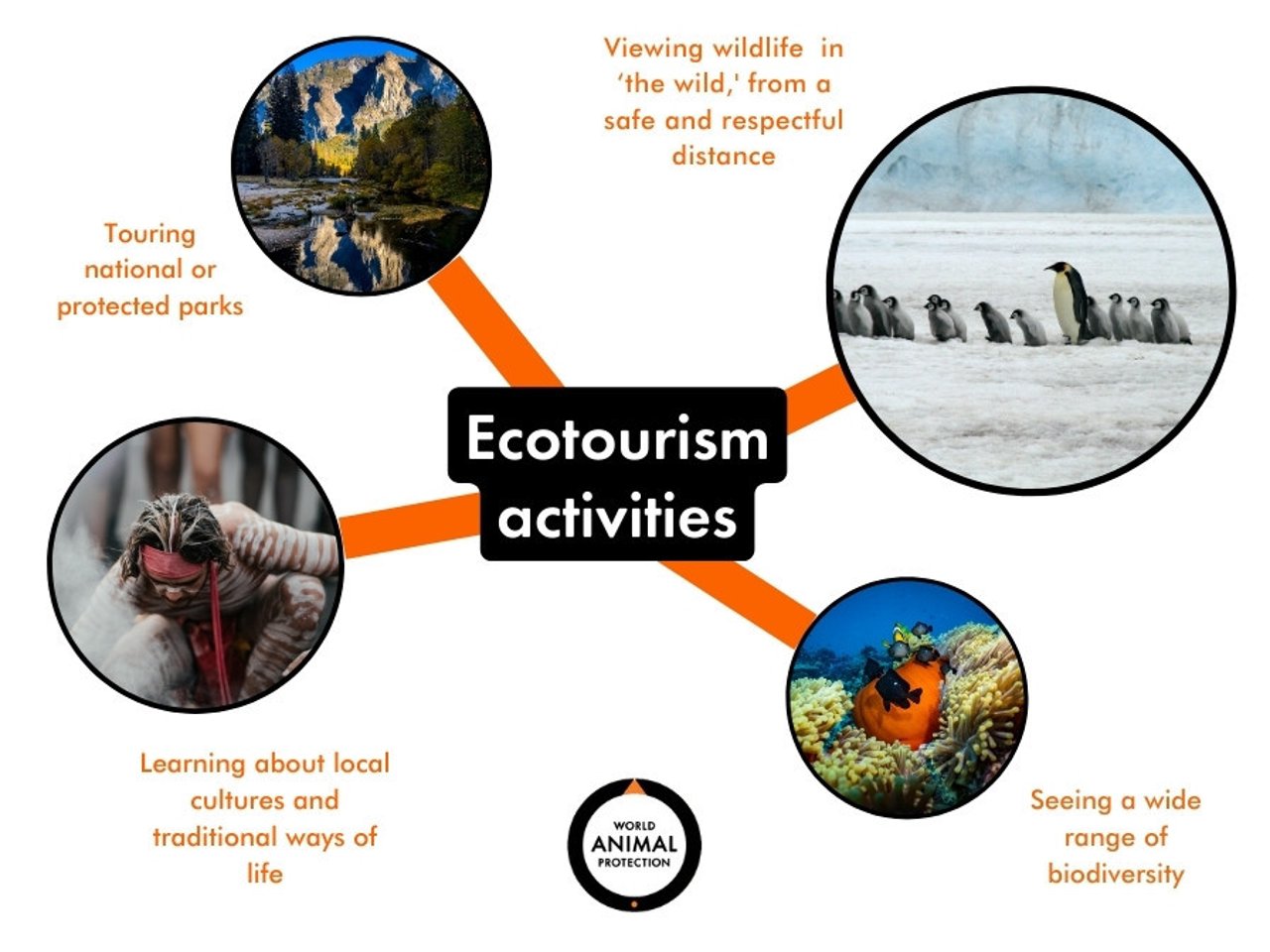
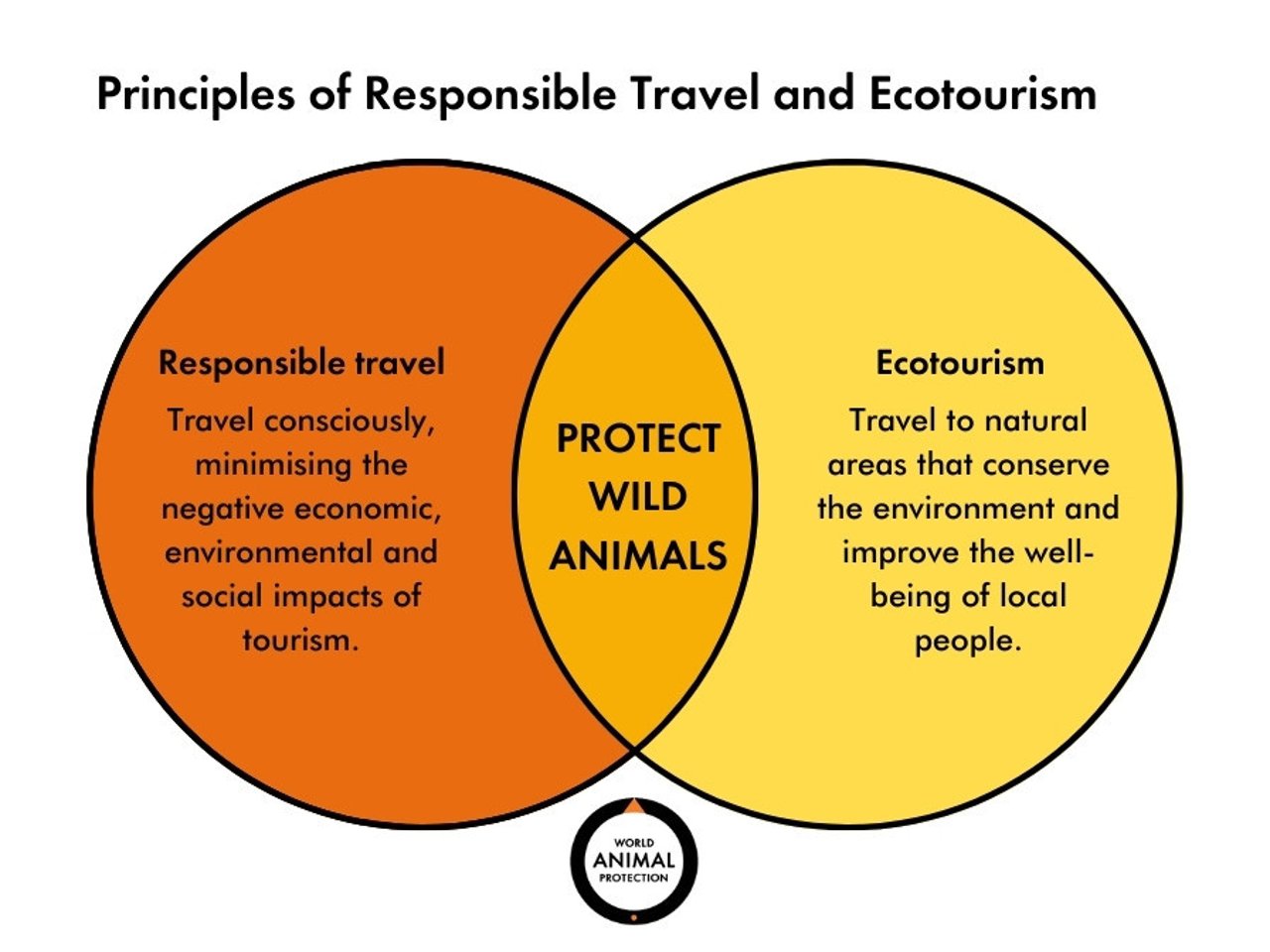
What ecotourism is and why it must include protecting wildlife
Wildlife Watching: A Window into Animal Behavior
Wildlife watching is perhaps the most popular form of nature tourism observation. It encompasses everything from whale watching tours to safaris and birdwatching expeditions. Effective wildlife watching goes beyond simply spotting an animal; it involves observing its behavior, understanding its habitat, and appreciating its role in the ecosystem.
Ethical Considerations in Wildlife Watching:
Minimizing disturbance is paramount. This means maintaining a safe distance, avoiding loud noises, and never feeding or harassing animals.
Understanding the animal’s behavior is crucial. Recognizing signs of stress or discomfort allows observers to retreat before causing harm.
Choosing responsible tour operators who prioritize animal welfare and conservation is essential.
The Power of Observation in Conservation:
Citizen science initiatives, where tourists contribute data on animal sightings and behavior, play a vital role in monitoring populations and tracking migration patterns.
Observing the impact of human activity on wildlife can raise awareness about conservation issues and inspire action.
Botanical Exploration: Unveiling the Secrets of Plant Life
What ecotourism is and why it must include protecting wildlife
Beyond the animal kingdom, the plant world offers a wealth of opportunities for observation. Botanical exploration can range from identifying wildflowers on a forest hike to studying the intricate adaptations of desert flora.
Understanding Plant Ecosystems:
Observing the relationships between plants and their environment, including soil conditions, sunlight, and rainfall, provides insights into ecosystem dynamics.
Learning about the role of plants in supporting wildlife, from providing food and shelter to regulating water cycles, fosters a deeper appreciation for their importance.
The Importance of Plant Identification:
Accurate plant identification is essential for understanding plant diversity and distribution.
Field guides, online resources, and expert guidance can enhance the observer’s ability to identify and classify plants.
The Role of Botanical Gardens and Arboretums:
These curated spaces offer opportunities to observe a wide variety of plant species from around the world.
They often serve as centers for research and education, promoting plant conservation.
Geological and Landscape Observation: Reading the Earth’s History
The Earth’s landscapes are a testament to geological processes that have shaped the planet over millions of years. Observing geological formations, from towering mountains to deep canyons, allows us to glimpse into this vast history.
Understanding Geological Processes:
Observing rock formations, fault lines, and volcanic features provides insights into the forces that have shaped the Earth’s surface.
Learning about the role of erosion, weathering, and tectonic activity helps us understand how landscapes evolve over time.
The Significance of Landscape Observation in Conservation:
Understanding the geological factors that influence soil formation, water availability, and natural hazards is crucial for sustainable land management.
Observing the impact of human activity on landscapes, such as deforestation and mining, highlights the need for responsible stewardship.
Geoparks and Geological Trails:
These designated areas offer opportunities to explore and learn about unique geological features.
They often provide educational resources and guided tours, enhancing the visitor’s understanding of the landscape.
Stargazing and Celestial Observation: Connecting with the Cosmos
Nature tourism observation extends beyond the Earth’s surface, reaching into the vast expanse of the night sky. Stargazing allows us to connect with the cosmos, contemplating the universe and our place within it.
Understanding Astronomical Phenomena:
Observing constellations, planets, and other celestial objects provides insights into the workings of the universe.
Learning about astronomical events, such as meteor showers and eclipses, enhances the stargazing experience.
The Importance of Dark Sky Reserves:
These designated areas minimize light pollution, providing optimal conditions for stargazing.
They play a vital role in protecting nocturnal wildlife and preserving the natural beauty of the night sky.
The Impact of Light Pollution:
Understanding the effect of artificial light on nocturnal animals, and human health is important.
Promoting responsible lighting practices can help mitigate the negative impacts of light pollution.
The Observer’s Impact: Ethical Considerations and Responsible Practices
Nature tourism observation is not a passive activity. Our presence, however subtle, can have an impact on the environment and the wildlife we observe. Therefore, ethical considerations and responsible practices are essential.
Minimizing Disturbance and Environmental Impact:
Leave No Trace Principles:
Packing out all trash, staying on designated trails, and avoiding disturbing natural features are essential for minimizing environmental impact.
Respecting wildlife by maintaining a safe distance and avoiding feeding or harassing animals is crucial.
Choosing Sustainable Tour Operators:
Supporting tour operators who prioritize environmental conservation and community benefits is essential.
Looking for certifications and endorsements that indicate a commitment to sustainable practices.
Supporting Local Communities and Economies:
Engaging with Local Guides and Businesses:
Hiring local guides and supporting local businesses provides economic benefits to communities and fosters cultural exchange.
Learning about the local culture and traditions enhances the visitor’s understanding of the region.
Respecting Cultural Heritage:
Being mindful of cultural sensitivities and respecting local customs and traditions is essential.
Avoiding activities that could be considered disrespectful or intrusive is crucial.
The Power of Education and Awareness:
Promoting Environmental Education:
Nature tourism observation can be a powerful tool for promoting environmental education and raising awareness about conservation issues.
Sharing knowledge and experiences with others can inspire action and foster a sense of responsibility towards the environment.
Encouraging Citizen Science:
Participating in citizen science initiatives allows tourists to contribute valuable data to research and conservation efforts.
This hands-on approach fosters a deeper understanding of scientific processes and the importance of data collection.
The Transformative Power of Observation
Nature tourism observation, when conducted responsibly, can be a transformative experience. It allows us to connect with the natural world on a deeper level, fostering a sense of awe, wonder, and appreciation. It can also inspire action, motivating us to become stewards of the environment and advocates for conservation.
By embracing the role of the quiet observer, we can unlock the secrets of the natural world and contribute to its preservation for generations to come. The act of observing is not just about seeing, but about understanding, appreciating, and ultimately, protecting the delicate balance of life on Earth.