The Profound Significance of Natural tourism Resources: Beyond Scenic Views
Natural tourism, a sector experiencing exponential growth, transcends mere sightseeing. It delves into the heart of our planet’s intrinsic beauty, offering experiences that foster connection, education, and conservation. The natural resources that underpin this industry are not simply picturesque backdrops; they are complex ecosystems, cultural repositories, and vital components of global well-being. This exploration delves into the multifaceted meaning of these resources, examining their ecological, economic, socio-cultural, and personal significance.
Ecological Significance: The Foundation of Life
Natural tourism relies on the integrity of ecosystems. From towering rainforests to vibrant coral reefs, these environments provide the foundation for biodiversity and ecological balance. Their significance extends far beyond their visual appeal:
Biodiversity Hotspots: Natural tourism often focuses on areas rich in biodiversity. These areas serve as crucial habitats for countless species, many of which are endangered or endemic. Tourism, when managed responsibly, can raise awareness and contribute to conservation efforts, protecting these irreplaceable ecosystems.
Ecosystem Services: Natural environments provide essential ecosystem services, including clean air and water, climate regulation, and soil fertility. Tourism can showcase the importance of these services, highlighting their value to human well-being and the planet’s health.
Carbon Sequestration: Forests, wetlands, and oceans play a vital role in absorbing carbon dioxide from the atmosphere, mitigating climate change. Ecotourism can promote the protection and restoration of these carbon sinks, contributing to global efforts to combat climate change.
Natural Laboratories: Natural environments serve as invaluable laboratories for scientific research. Tourism can facilitate access for researchers, contributing to our understanding of ecological processes and the development of conservation strategies.
Economic Significance: A Double-Edged Sword
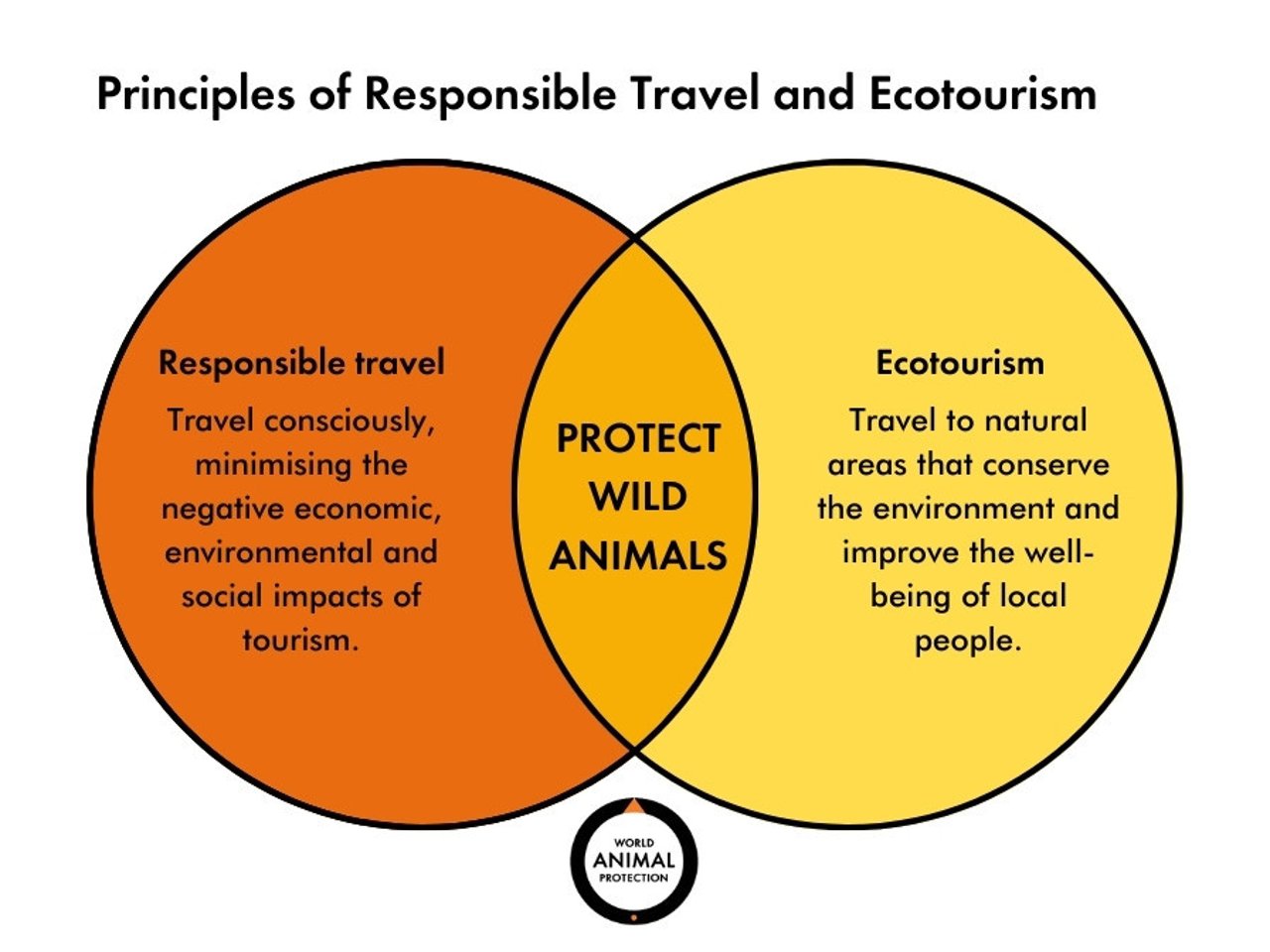
What ecotourism is and why it must include protecting wildlife
Natural tourism can be a powerful engine for economic development, particularly in rural and remote communities. However, it’s crucial to acknowledge the potential for negative impacts and strive for sustainable practices:
Job Creation: Tourism generates employment opportunities in various sectors, including hospitality, transportation, guiding, and local crafts. This can provide vital income for communities that may lack other economic alternatives.
Revenue Generation: Natural tourism contributes significantly to national and local economies through visitor spending, taxes, and fees. This revenue can be reinvested in conservation, infrastructure development, and community projects.
Economic Diversification: Tourism can help diversify economies that are heavily reliant on resource extraction or other unsustainable industries. This can create more resilient and sustainable economic models.
Potential for Exploitation: Uncontrolled tourism can lead to overdevelopment, environmental degradation, and the exploitation of local communities. It’s essential to implement responsible tourism practices that prioritize conservation and community benefits.
Socio-Cultural Significance: Connecting with Heritage
Natural landscapes are often intertwined with cultural heritage, reflecting the history, traditions, and values of local communities. Natural tourism can foster cultural exchange and promote the preservation of intangible cultural heritage:
Cultural Landscapes: Many natural areas are considered sacred or culturally significant by indigenous peoples and local communities. Tourism can provide opportunities for cultural exchange and education, promoting respect for diverse cultural perspectives.
Traditional Knowledge: Indigenous peoples and local communities possess valuable traditional knowledge about the natural environment, including sustainable resource management practices. Tourism can support the transmission and preservation of this knowledge.
Community Empowerment: Community-based tourism initiatives can empower local communities to manage and benefit from tourism development, ensuring that their voices are heard and their rights are respected.
Cultural Preservation: Tourism can provide economic incentives for the preservation of cultural traditions, such as traditional crafts, music, and dance.
Personal Significance: Reconnecting with Nature
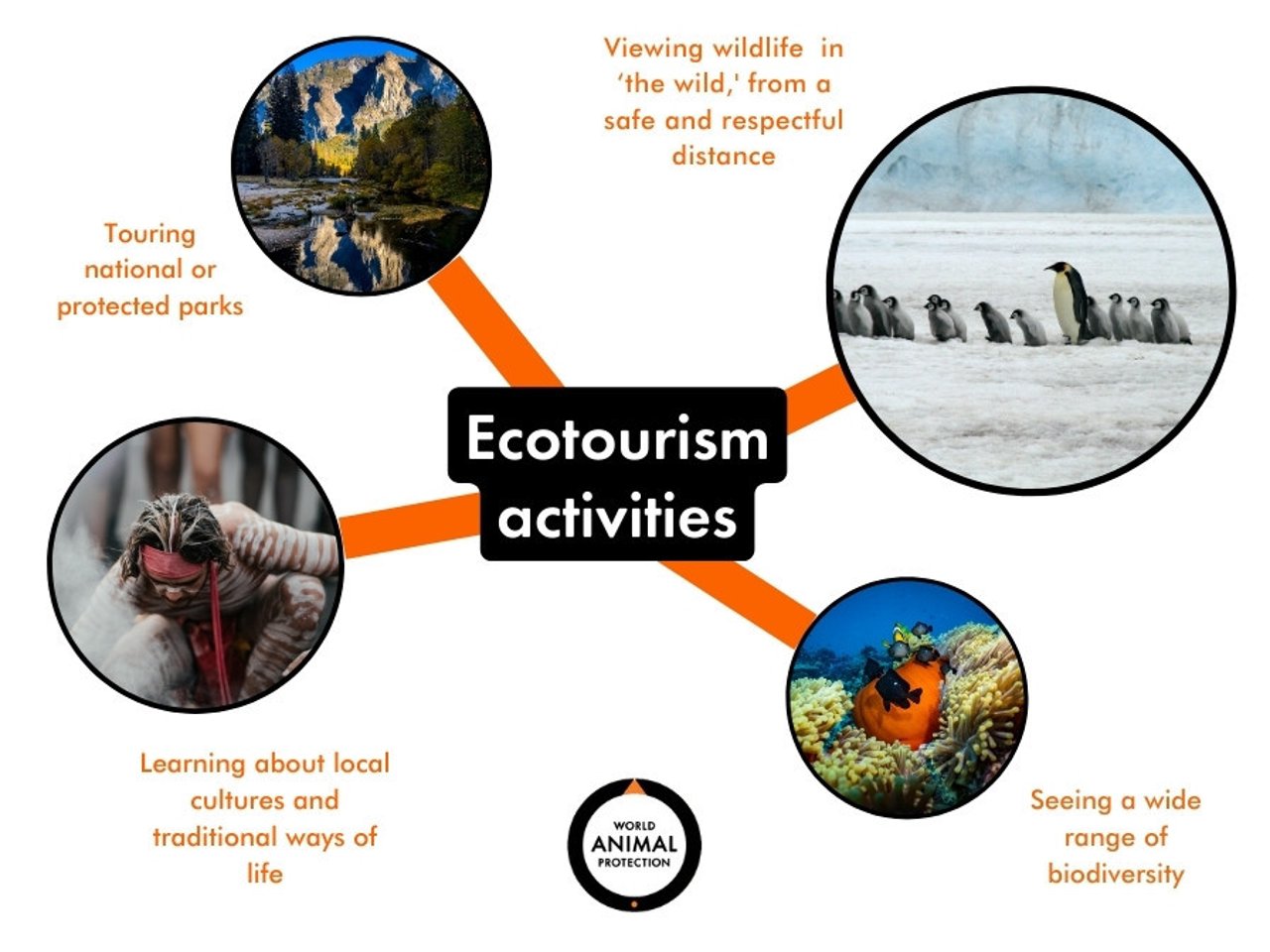
What ecotourism is and why it must include protecting wildlife
Natural tourism offers individuals the opportunity to escape the stresses of modern life and reconnect with the natural world. This can have profound physical, mental, and spiritual benefits:
Stress Reduction: Spending time in nature has been shown to reduce stress, anxiety, and depression. Natural tourism provides opportunities for relaxation, reflection, and rejuvenation.
Physical Health: Outdoor activities, such as hiking, swimming, and kayaking, promote physical fitness and well-being.
Spiritual Connection: For many people, nature provides a sense of spiritual connection and awe. Natural tourism can offer opportunities for introspection and a deeper appreciation for the interconnectedness of life.
Educational Experiences: Natural tourism can be a powerful educational tool, fostering environmental awareness and promoting responsible behavior.
Challenges and the Path to Sustainability
Despite its many benefits, natural tourism faces significant challenges, including climate change, pollution, habitat destruction, and unsustainable tourism practices. Addressing these challenges requires a concerted effort from all stakeholders:
Climate Change Impacts: Rising sea levels, extreme weather events, and changes in species distribution are impacting natural tourism destinations worldwide. Mitigation and adaptation strategies are crucial for ensuring the long-term sustainability of the industry.
Overcrowding and Pollution: Popular natural tourism destinations often experience overcrowding, leading to environmental degradation and negative impacts on local communities. Sustainable tourism management practices, such as visitor management and waste reduction, are essential.
Habitat Destruction: Deforestation, habitat fragmentation, and pollution are threatening the integrity of natural ecosystems. Conservation efforts are needed to protect and restore these valuable resources.
Unsustainable Tourism Practices: Some tourism operators engage in unsustainable practices, such as wildlife harassment, irresponsible waste disposal, and the exploitation of local communities. Promoting responsible tourism practices, such as ecotourism and community-based tourism, is crucial.
The need for Education: Educating tourists about the natural world, and how to behave within it, is paramount. This can be done through guided tours, visitor centres, and informative signage.
The Future of Natural Tourism: A Call for Responsible Stewardship
Tourism Resources of India – ppt download
The future of natural tourism depends on our ability to embrace responsible stewardship and prioritize conservation. This requires a shift from a focus on maximizing profits to a focus on maximizing benefits for both people and the planet.
Sustainable Development Goals: Natural tourism can contribute to the achievement of several Sustainable Development Goals, including those related to poverty reduction, environmental protection, and sustainable consumption and production.
Community-Based Tourism: Empowering local communities to manage and benefit from tourism development is essential for ensuring that tourism contributes to sustainable livelihoods and cultural preservation.
Ecotourism Principles: Adopting ecotourism principles, such as minimizing environmental impacts, respecting local cultures, and supporting conservation efforts, is crucial for promoting responsible tourism practices.
Technological Solutions: Technology can play a role in promoting sustainable tourism, such as through the development of eco-friendly transportation, waste management systems, and visitor monitoring tools.
Global Cooperation: Addressing the challenges facing natural tourism requires global cooperation and collaboration among governments, businesses, and civil society organizations.
In conclusion, natural tourism resources are far more than just scenic attractions. They are vital components of our planet’s ecological, economic, socio-cultural, and personal well-being. By embracing responsible stewardship and prioritizing conservation, we can ensure that these resources continue to provide benefits for generations to come. The beauty of the natural world, when treated with respect, will continue to inspire, educate, and sustain us all.