
The Shifting Sands: Natural Disasters and the Resilience of tourism
Tourism, a global behemoth, thrives on the allure of pristine landscapes, cultural wonders, and the promise of unforgettable experiences. However, this industry, often perceived as a delicate flower, faces a formidable and increasingly prevalent adversary: natural disasters. From the earth-shattering tremors of earthquakes to the relentless fury of hurricanes, these events leave a trail of devastation, impacting not only lives and infrastructure but also the very foundation of tourism. This article explores the complex relationship between natural disasters and tourism, examining the challenges they pose, the strategies for resilience, and the evolving landscape of travel in an era of heightened environmental vulnerability.
Natural disasters manifest in various forms, each with unique characteristics and consequences for tourism. Understanding these differences is crucial for effective risk management and recovery.
Earthquakes: Shaking Foundations of Travel

Earthquakes, sudden and violent movements of the Earth’s crust, can cause widespread destruction, particularly in regions with dense populations and vulnerable infrastructure. Popular tourist destinations located along fault lines, such as California, Japan, and parts of the Mediterranean, face a constant threat. The immediate impact includes:
Infrastructure Damage: Hotels, airports, roads, and other essential tourism infrastructure can be severely damaged or destroyed, rendering destinations inaccessible.
Hurricanes and Cyclones: The Tempestuous Threat
Hurricanes and cyclones, powerful tropical storms characterized by high winds, heavy rainfall, and storm surges, wreak havoc on coastal regions. The Caribbean, Southeast Asia, and parts of the United States are particularly vulnerable. The effects include:
Flooding and Coastal Erosion: Storm surges and heavy rainfall can inundate coastal areas, damaging or destroying hotels, resorts, and beaches.
Volcanic Eruptions: The Fiery Spectacle and Its Consequences
Volcanic eruptions, while often spectacular, can pose significant risks to tourism. Ash clouds can disrupt air travel, and lava flows and pyroclastic flows can destroy infrastructure and pose a direct threat to life. Destinations with active volcanoes, such as Iceland, Hawaii, and Indonesia, must balance the allure of these natural wonders with the potential dangers. The impact includes:
Air Travel Disruption: Ash clouds can force the closure of airports and airspace, affecting both inbound and outbound tourism.
Wildfires: The Scorched Earth of Tourism
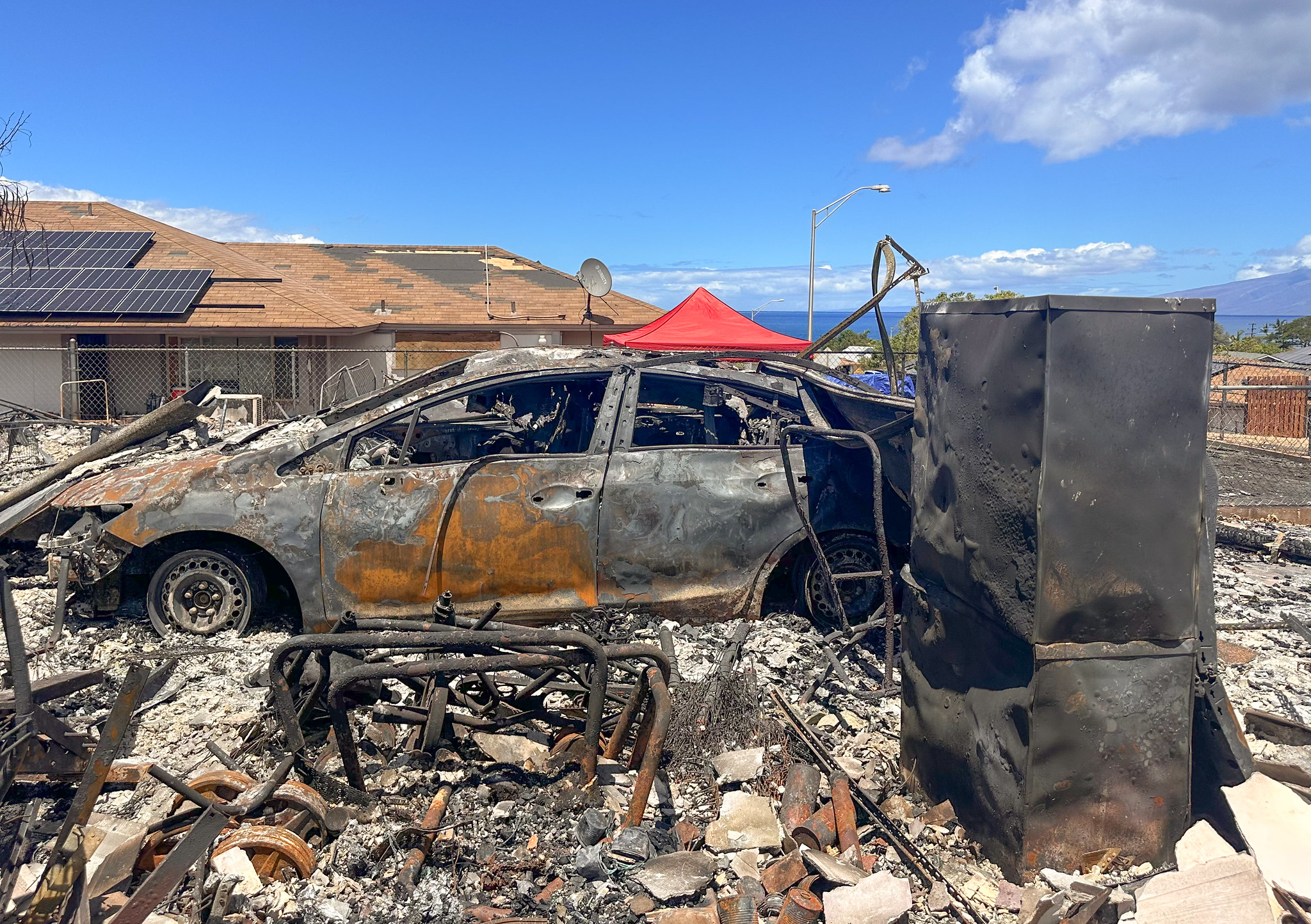
Wildfires, increasingly exacerbated by climate change, are becoming a significant threat to tourism in many regions. Dry, hot conditions and strong winds can fuel these fires, which can spread rapidly and devastate vast areas. The Mediterranean, Australia, and parts of North America are experiencing more frequent and intense wildfires. The impact includes:
Destruction of Natural Attractions: National parks, forests, and other natural areas can be destroyed, impacting nature-based tourism.
Floods: The Silent Invader
Flooding, often triggered by heavy rainfall or melting snow, can inundate cities, towns, and rural areas, causing widespread damage. Riverine floods, flash floods, and coastal floods all present unique challenges to tourism. The effects include:
Damage to Infrastructure and Accommodation: Hotels, restaurants, and other tourism businesses can be flooded, leading to closures and financial losses.
The tourism industry must adopt proactive and adaptive strategies to mitigate the risks posed by natural disasters and build resilience.
Risk Assessment and Preparedness
Conduct thorough risk assessments to identify potential hazards and vulnerabilities.
Infrastructure Investment and Adaptation
Construct resilient infrastructure that can withstand the impacts of natural disasters.
Crisis Management and Communication
Establish clear lines of communication and coordination among tourism stakeholders, government agencies, and emergency responders.
Diversification and Adaptation of Tourism Products
Diversify tourism offerings to reduce reliance on vulnerable attractions or destinations.
Community Involvement and Collaboration
Engage local communities in disaster preparedness and response efforts.
Climate change is exacerbating the frequency and intensity of natural disasters, posing a significant challenge to the future of tourism. The industry must adapt to this changing reality by:
Reducing its carbon footprint and transitioning to sustainable practices.
The relationship between natural disasters and tourism is a complex and evolving one. While these events can cause significant disruption and damage, they also present opportunities for innovation and adaptation. By embracing resilience, investing in preparedness, and promoting sustainable practices, the tourism industry can navigate the challenges of a changing world and continue to provide enriching experiences for travelers. The future of tourism depends on its ability to adapt and thrive in the face of uncertainty, building a more sustainable and resilient industry for generations to come.


