Exploring Eco-Tourism: Real-World Examples

Exploring Eco-Tourism: Real-World Examples

Posted on

The Emerald Embrace: A Deep Dive into Exemplary Ecotourism at the Pacuare Lodge, Costa Rica

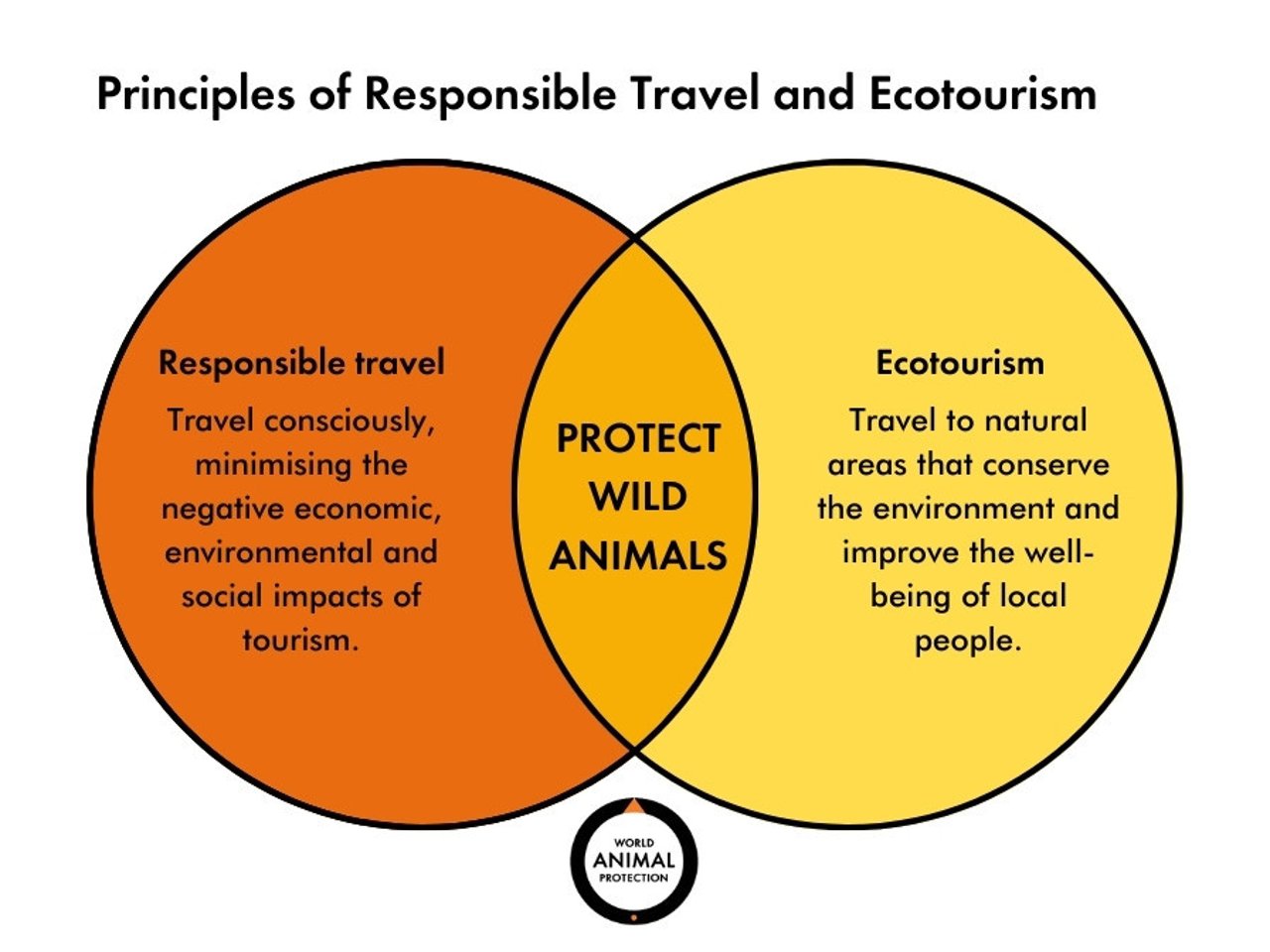
Ecotourism, a concept born from the growing awareness of our planet’s fragility, seeks to harmonize travel with environmental preservation and community well-being. It’s more than just a buzzword; it’s a philosophy that prioritizes responsible interaction with nature, fostering a symbiotic relationship between tourism and the ecosystems it explores. Among the shining examples of this philosophy in action, the Pacuare Lodge in Costa Rica stands as a beacon, demonstrating how luxury and sustainability can coexist, enriching both the traveler’s experience and the surrounding environment.

  • Introduction: Beyond the Postcard Image
  • Costa Rica, a country synonymous with biodiversity and conservation, provides a fertile ground for ecotourism initiatives. The Pacuare Lodge, nestled deep within the lush rainforest along the banks of the Pacuare River, transcends the typical tourist experience. It’s not merely a place to stay; it’s an immersive encounter with nature, a testament to the power of responsible travel.
    Exploring Eco-Tourism: Real-World Examples
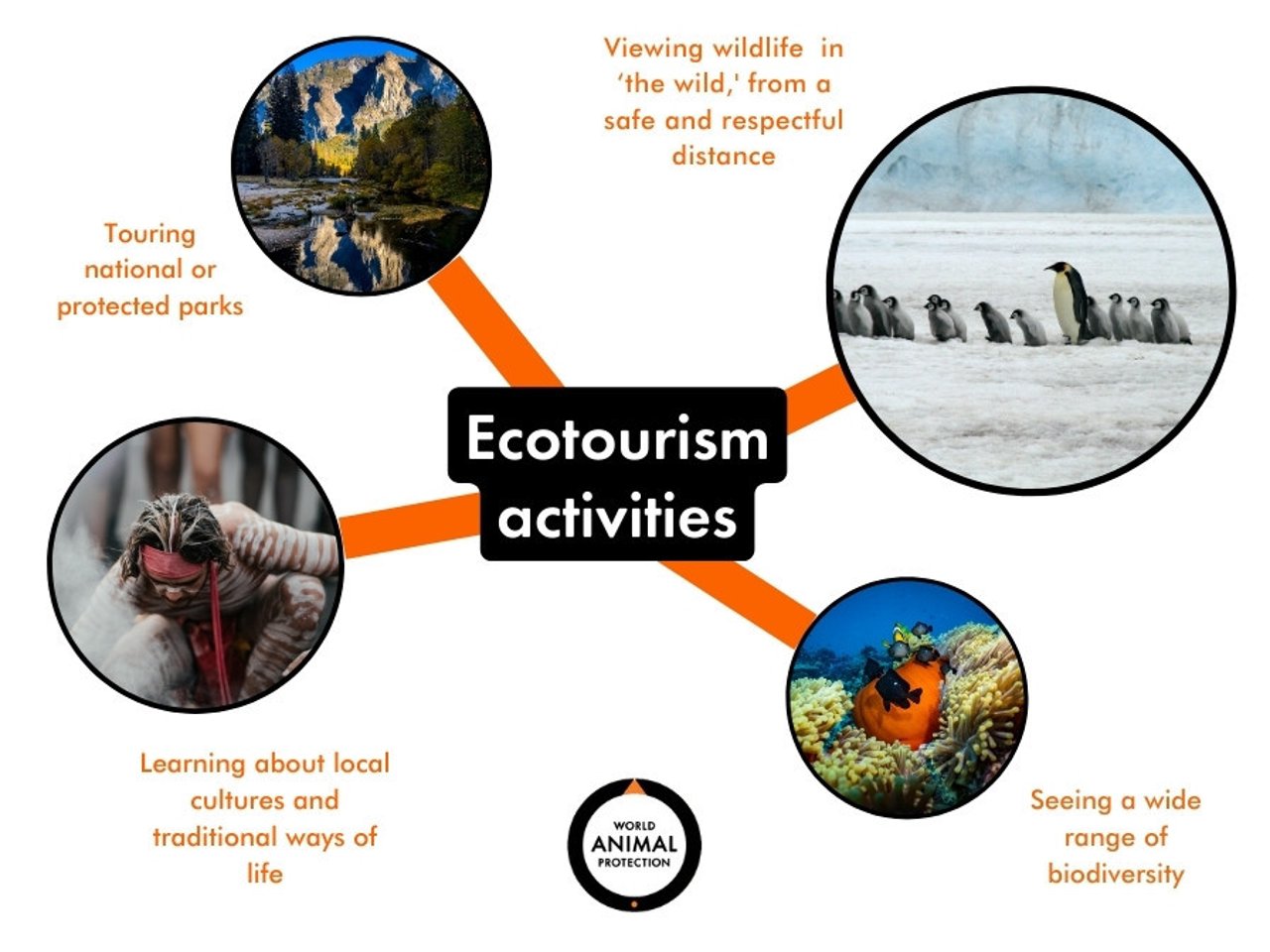
    What ecotourism is and why it must include protecting wildlife
  • 1. Architectural Harmony: Building with the Land
  • Sustainable Construction and Materials

    The lodge’s architecture is a masterclass in blending human habitation with the natural landscape. Structures are primarily built using locally sourced materials, including fallen timber and palm leaves, minimizing the environmental footprint associated with transportation and resource extraction.

  • Thatched roofs, a traditional technique, provide natural insulation, reducing the need for energy-intensive cooling systems.
  • Raised platforms and open-air designs promote natural ventilation, further minimizing energy consumption and creating a seamless connection with the surrounding rainforest.

  • Minimal Impact Infrastructure

    The lodge’s infrastructure is designed to minimize its impact on the delicate ecosystem. Pathways are constructed from natural materials, blending seamlessly with the forest floor.

  • A sophisticated hydroelectric system, powered by the Pacuare River, provides the lodge’s electricity, eliminating reliance on fossil fuels and reducing carbon emissions.
  • Wastewater treatment systems are designed to purify water naturally, ensuring that no pollutants enter the river or surrounding environment.

  • 2. Immersive Experiences: Connecting with Nature
  • River Rafting and Exploration

    image.title
    What ecotourism is and why it must include protecting wildlife

    The Pacuare River, a lifeline of the region, serves as a natural highway for exploration. Guests arrive and depart via rafting trips, providing an exhilarating and eco-friendly means of transportation.

  • Guided rafting excursions offer opportunities to observe wildlife, including monkeys, sloths, and a myriad of bird species, in their natural habitat.
  • Experienced guides provide insights into the river’s ecology and the importance of its preservation, fostering a deeper appreciation for the natural world.

  • Rainforest Hiking and Wildlife Encounters

    A network of trails winds through the surrounding rainforest, offering opportunities for guided hikes and wildlife observation.

  • Night hikes reveal the nocturnal wonders of the rainforest, showcasing the diverse array of creatures that emerge after dark.
  • Birdwatching tours cater to enthusiasts, providing opportunities to spot rare and endemic species, like the keel-billed toucan and the scarlet macaw.

  • Cultural Immersion with the Cabécar Community

    The Pacuare Lodge fosters a close relationship with the indigenous Cabécar community, the traditional inhabitants of the region.

  • Guests have the opportunity to visit a local Cabécar village, learning about their culture, traditions, and sustainable way of life.
  • The lodge employs members of the Cabécar community, providing economic opportunities and supporting the preservation of their cultural heritage.

  • 3. Environmental Stewardship: Protecting the Ecosystem
  • Reforestation and Conservation Initiatives
    image.title
    Ecotourism : Ecotourism Examples, Definition & Best Practices

    The lodge actively participates in reforestation efforts, planting native trees to restore degraded areas and expand the rainforest canopy.

  • Conservation programs focus on protecting endangered species, such as jaguars and tapirs, through habitat preservation and research.
  • The lodge supports scientific research initiatives, providing access to the rainforest for studies on biodiversity and ecosystem health.

  • Waste Management and Resource Efficiency

    A comprehensive waste management system minimizes the generation of waste and maximizes recycling and composting.

  • Water conservation measures, such as low-flow fixtures and rainwater harvesting, reduce water consumption.
  • The lodge promotes the use of biodegradable and eco-friendly products, minimizing the environmental impact of its operations.

  • Carbon Neutrality and Sustainable Practices

    The lodge has achieved carbon neutrality through a combination of energy efficiency, renewable energy use, and carbon offsetting.

  • Sustainable practices are integrated into all aspects of the lodge’s operations, from food sourcing to transportation.
  • The lodge serves as a model for other tourism businesses, demonstrating the feasibility of sustainable tourism practices.

  • 4. Community Empowerment: Benefiting Local People
  • Employment and Economic Opportunities

    The Pacuare Lodge prioritizes hiring local residents, providing employment opportunities and boosting the local economy.

  • The lodge sources goods and services from local suppliers, supporting small businesses and promoting sustainable livelihoods.
  • Training and education programs are offered to local residents, enhancing their skills and empowering them to participate in the tourism industry.

  • Education and Cultural Exchange

    The lodge facilitates cultural exchange between guests and the Cabécar community, fostering mutual understanding and respect.

  • Educational programs are offered to guests, raising awareness about the importance of environmental conservation and cultural preservation.
  • The lodge supports local schools and educational initiatives, investing in the future of the community.

  • Partnerships and Collaboration

    The Pacuare Lodge collaborates with local NGOs and government agencies on conservation and community development projects.

  • Partnerships with research institutions facilitate scientific studies and promote knowledge sharing.
  • The lodge actively participates in regional tourism initiatives, promoting sustainable tourism practices throughout Costa Rica.

  • 5. The Guest Experience: Luxury with a Conscience
  • Authentic and Immersive Accommodations

    The lodge’s bungalows are designed to blend seamlessly with the natural environment, offering privacy and comfort while minimizing environmental impact.

  • Open-air designs and natural materials create a sense of connection with the surrounding rainforest.
  • Each bungalow features private plunge pools or river views, providing a luxurious and immersive experience.

  • Gourmet Dining with Local Flavors

    The lodge’s restaurant features gourmet cuisine prepared with fresh, locally sourced ingredients.

  • Menus showcase traditional Costa Rican flavors, highlighting the region’s rich culinary heritage.
  • Sustainable food sourcing practices minimize the environmental impact of food production and transportation.

  • Personalized Service and Authentic Hospitality

    The lodge’s staff provides personalized service and genuine hospitality, creating a welcoming and memorable experience for guests.

  • Experienced guides share their knowledge and passion for the natural world, enriching the guest’s understanding of the rainforest.
  • The lodge fosters a sense of community, connecting guests with the local culture and environment.

  • Conclusion: A Model for Sustainable Tourism
  • The Pacuare Lodge stands as a testament to the transformative power of ecotourism. It demonstrates that responsible travel can not only protect the environment and benefit local communities but also provide a deeply enriching and unforgettable experience for guests. By prioritizing sustainability, cultural preservation, and community empowerment, the Pacuare Lodge sets a high standard for the tourism industry, inspiring others to embrace a more responsible and harmonious approach to travel. As the world grapples with the challenges of climate change and biodiversity loss, models like the Pacuare Lodge offer a glimpse of a more sustainable and equitable future for tourism. It is a reminder that travel can be a force for good, fostering a deeper connection with our planet and its people.

    Leave a Reply

    Your email address will not be published. Required fields are marked *