
Florida’s Untamed Heart: An Eco-tourism Odyssey
Florida, a state synonymous with sun-kissed beaches and theme park thrills, harbors a wilder, more profound beauty. Beyond the bustling coasts and urban centers lies an intricate tapestry of ecosystems, offering unparalleled opportunities for eco-tourism. This article delves into the diverse natural wonders of Florida, exploring how responsible travel can contribute to their preservation and provide unforgettable experiences.
A Symphony of Biodiversity
The Everglades, a sprawling subtropical wetland, stands as a testament to Florida’s natural grandeur. This “river of grass,” a UNESCO World Heritage Site, is a mosaic of habitats, from sawgrass marshes to mangrove forests, supporting a remarkable array of flora and fauna. Eco-tourists can explore this unique ecosystem through various means, each offering a distinct perspective.
Airboat Adventures: A Controversial Thrill
Airboat tours, a staple of Everglades experiences, provide a rapid and exhilarating way to traverse the shallow waters. However, their environmental impact is a subject of debate. Responsible tour operators adhere to strict guidelines, minimizing disturbance to wildlife and vegetation. Visitors should prioritize tours that emphasize education and conservation.
Kayaking and Canoeing: Immersed in Nature
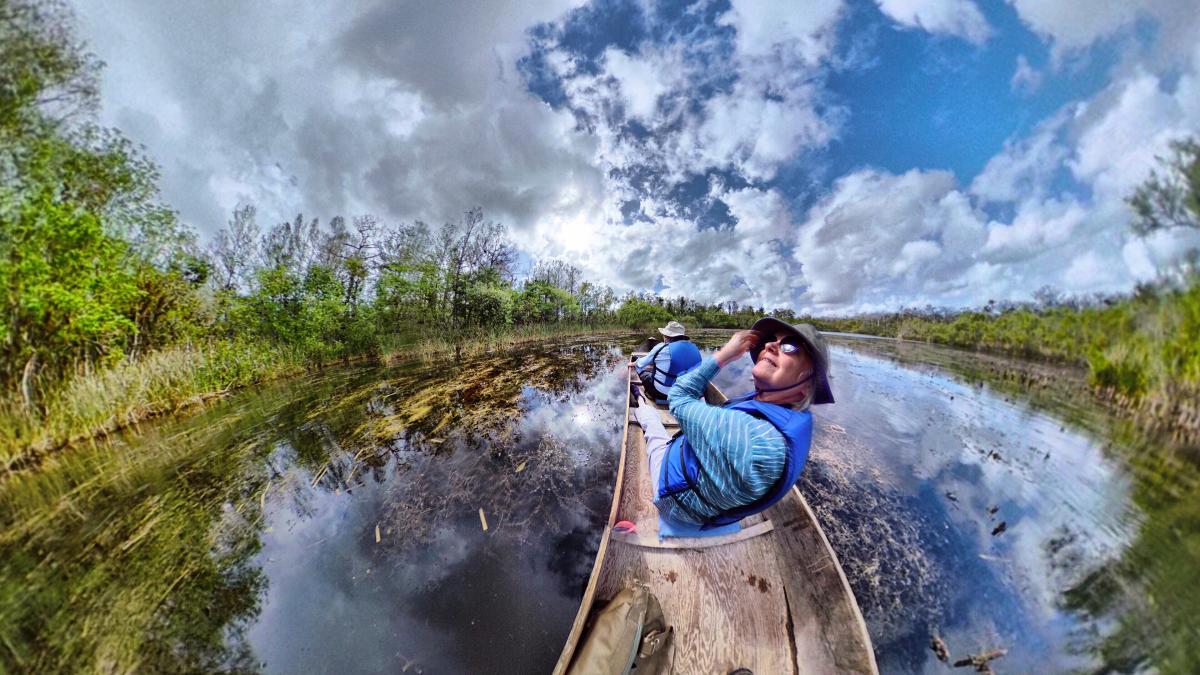
For a more intimate encounter with the Everglades, kayaking or canoeing offers a tranquil and immersive experience. Paddling through mangrove tunnels, observing wading birds, and encountering alligators in their natural habitat creates lasting memories. Guided tours led by experienced naturalists provide valuable insights into the ecosystem’s intricacies.
Hiking and Wildlife Observation: On Foot Exploration
Numerous trails within Everglades National Park and surrounding areas allow for exploration on foot. The Anhinga Trail, for instance, offers excellent opportunities to observe alligators, turtles, and various bird species. Birdwatching, a popular activity, rewards enthusiasts with sightings of roseate spoonbills, wood storks, and bald eagles.
The Magic of Manatees
Florida’s springs, fed by the Floridan Aquifer, are havens of biodiversity and clarity. These pristine waterways provide vital habitat for manatees, gentle giants that seek refuge in the warm spring waters, especially during winter. Eco-tourism centered on manatee observation promotes conservation awareness and provides economic benefits to local communities.
Snorkeling and Swimming: Underwater Wonders
Springs like Crystal River and Three Sisters Springs offer opportunities for snorkeling and swimming alongside manatees. Responsible tour operators prioritize passive observation, ensuring minimal disturbance to these vulnerable creatures. Visitors should adhere to guidelines, avoiding touching or harassing manatees.
Kayaking and Paddleboarding: Exploring Spring-Fed Rivers
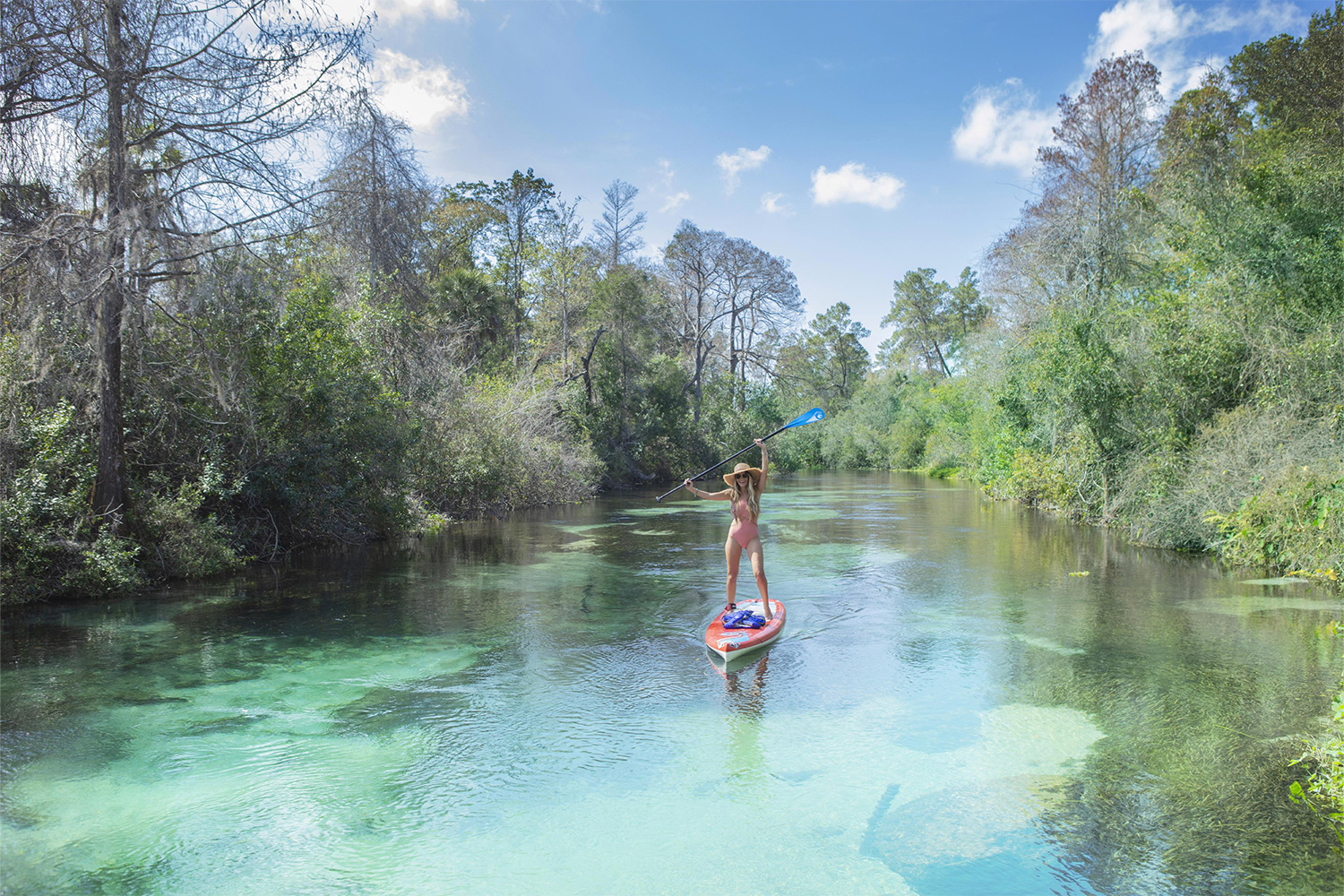
Many spring-fed rivers, such as the Ichetucknee and Rainbow Rivers, are ideal for kayaking and paddleboarding. These leisurely activities allow for exploration of the pristine waterways, observing fish, turtles, and other aquatic life. Guided tours often incorporate educational components, highlighting the importance of spring conservation.
Cave and Cavern Diving: Subterranean Exploration
For experienced divers, Florida’s springs offer unique opportunities to explore underwater caves and caverns. These intricate systems, formed by the dissolution of limestone, are home to specialized aquatic life. Guided cave diving tours require specialized training and equipment, ensuring safety and minimizing environmental impact.
A Subtropical Paradise
The Florida Keys, a chain of islands stretching southwest from the mainland, are renowned for their vibrant coral reefs, crystal-clear waters, and diverse marine life. Eco-tourism in the Keys focuses on sustainable practices that protect these fragile ecosystems.
Snorkeling and Scuba Diving: Exploring Coral Gardens
The Florida Keys National Marine Sanctuary protects the only living coral barrier reef in the continental United States. Snorkeling and scuba diving offer unparalleled opportunities to explore this underwater wonderland, observing colorful fish, sea turtles, and other marine creatures. Responsible dive operators emphasize reef etiquette and conservation practices.
Kayaking and Paddleboarding: Coastal Exploration
Kayaking and paddleboarding through mangrove forests and shallow bays provide a unique perspective on the Keys’ coastal ecosystems. These activities allow for close encounters with wildlife, such as wading birds, dolphins, and manatees. Guided tours often incorporate educational components, highlighting the importance of mangrove conservation and coastal resilience.
Fishing and Wildlife Watching: Responsible Recreation
Fishing, a popular activity in the Keys, can be conducted sustainably through catch-and-release practices and adherence to fishing regulations. Wildlife watching, including birdwatching and dolphin watching, offers opportunities to observe the Keys’ diverse fauna. Responsible tour operators prioritize ethical practices, minimizing disturbance to wildlife.
Protecting Coastal Habitats
Florida’s extensive coastline, encompassing beaches, dunes, and estuaries, is a vital habitat for numerous species. Eco-tourism initiatives focus on protecting these fragile ecosystems from erosion, pollution, and development.
Beachcombing and Shelling: Responsible Exploration
Beachcombing and shelling, popular activities on Florida’s beaches, can be conducted responsibly by avoiding disturbance to nesting sea turtles and shorebirds. Visitors should adhere to guidelines regarding shell collection, ensuring the preservation of marine life.
Birdwatching and Nature Trails: Coastal Observation
Numerous coastal parks and preserves offer excellent opportunities for birdwatching and nature walks. The Great Florida Birding and Wildlife Trail, for instance, highlights prime locations for observing various bird species. Coastal trails often provide access to dune ecosystems, allowing for observation of specialized flora and fauna.
Kayaking and Paddleboarding: Estuarine Exploration
Estuaries, where freshwater meets saltwater, are vital nurseries for marine life. Kayaking and paddleboarding through estuaries provide opportunities to observe fish, crabs, and other aquatic creatures. Guided tours often incorporate educational components, highlighting the importance of estuarine conservation.
Minimizing Environmental Impact
Responsible eco-tourism practices are essential for preserving Florida’s natural wonders. This includes minimizing waste, conserving water and energy, and avoiding disturbance to wildlife and vegetation.
Supporting Local Communities
Eco-tourism should benefit local communities, providing economic opportunities and promoting cultural preservation. Visitors should prioritize businesses that employ local guides, source products from local artisans, and support community-based conservation initiatives.
Education and Awareness
Eco-tourism plays a crucial role in raising awareness about environmental issues and promoting conservation. Visitors should seek out educational opportunities, such as guided tours, interpretive programs, and visitor centers, to learn about Florida’s ecosystems and the importance of their preservation.
Choosing Sustainable Operators
Selecting eco-friendly tour operators is a critical part of responsible travel. Look for companies that are certified by reputable organizations, such as the Florida Society for Ethical Ecotourism, and that adhere to sustainable practices.
Florida’s eco-tourism potential is immense, offering unparalleled opportunities to experience the state’s natural beauty and biodiversity. By embracing responsible travel practices, visitors can contribute to the preservation of these invaluable ecosystems, ensuring their legacy for future generations. Eco-tourism is not merely about sightseeing; it is about fostering a deeper connection with nature, promoting conservation, and supporting local communities. By choosing to explore Florida’s wild side responsibly, we can all play a role in safeguarding its untamed heart.


