Embracing the Himalayas: A Deep Dive into Eco-tourism in Himachal Pradesh
Himachal Pradesh, the land of snow-capped peaks, verdant valleys, and gushing rivers, has long been a magnet for travelers seeking solace and adventure. However, the surge in tourism has brought with it environmental challenges, prompting a shift towards sustainable practices. Eco-tourism, a responsible approach to travel, is now taking center stage, offering a harmonious blend of nature appreciation and community empowerment. This comprehensive guide explores the diverse facets of eco-tourism in Himachal Pradesh, highlighting its potential and challenges.
Eco-tourism, in its purest form, aims to minimize the negative impacts of tourism while maximizing the benefits for local communities and the environment. In Himachal, this translates to:
Preserving Natural Ecosystems
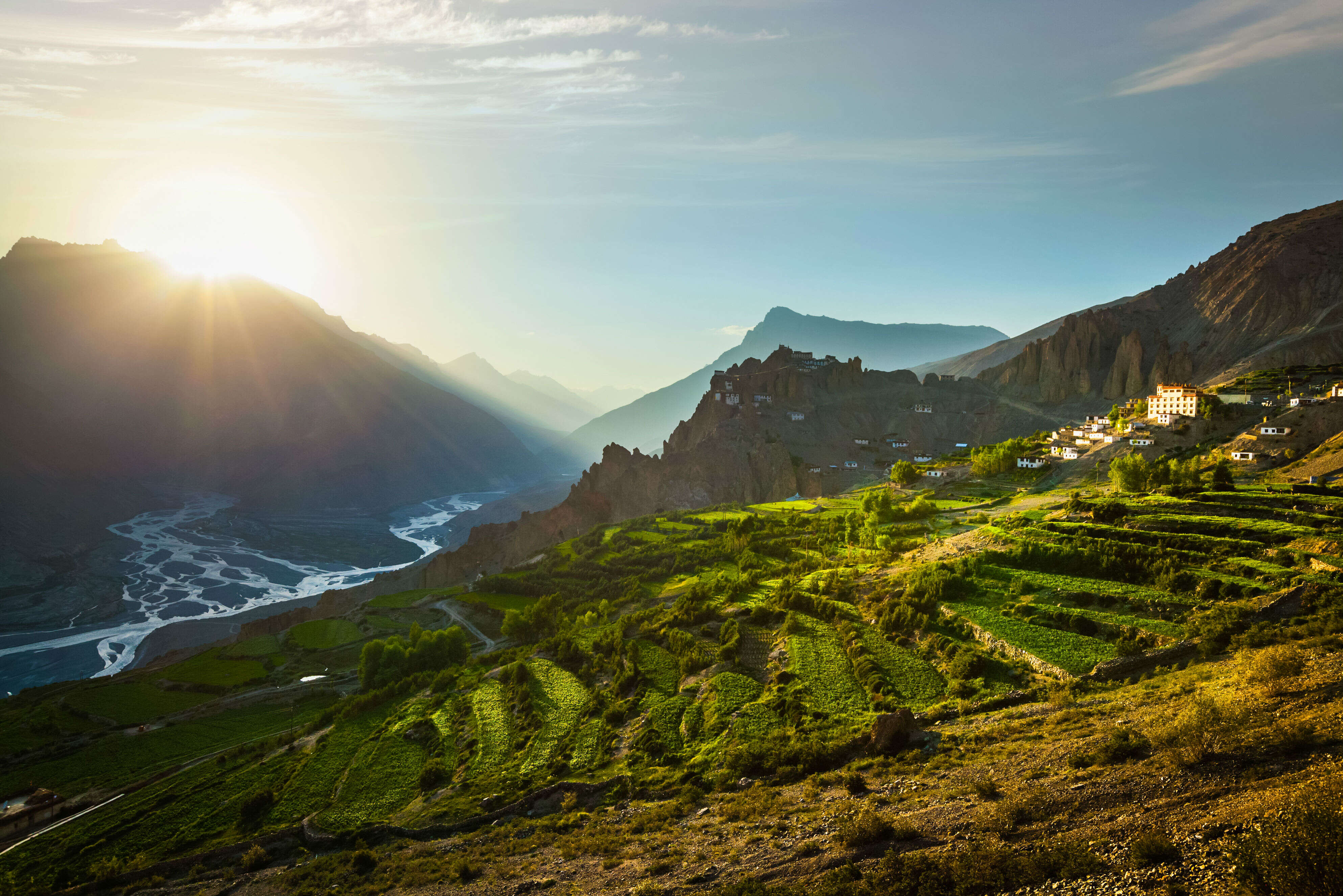
Protecting the fragile Himalayan ecosystem, including its forests, wildlife, and water resources.
Empowering Local Communities
Creating livelihood opportunities for local residents through tourism-related activities.
Fostering Environmental Awareness
Educating tourists about the importance of conservation and responsible travel practices.

Himachal Pradesh boasts a plethora of eco-tourism destinations, each offering unique experiences and opportunities to connect with nature:
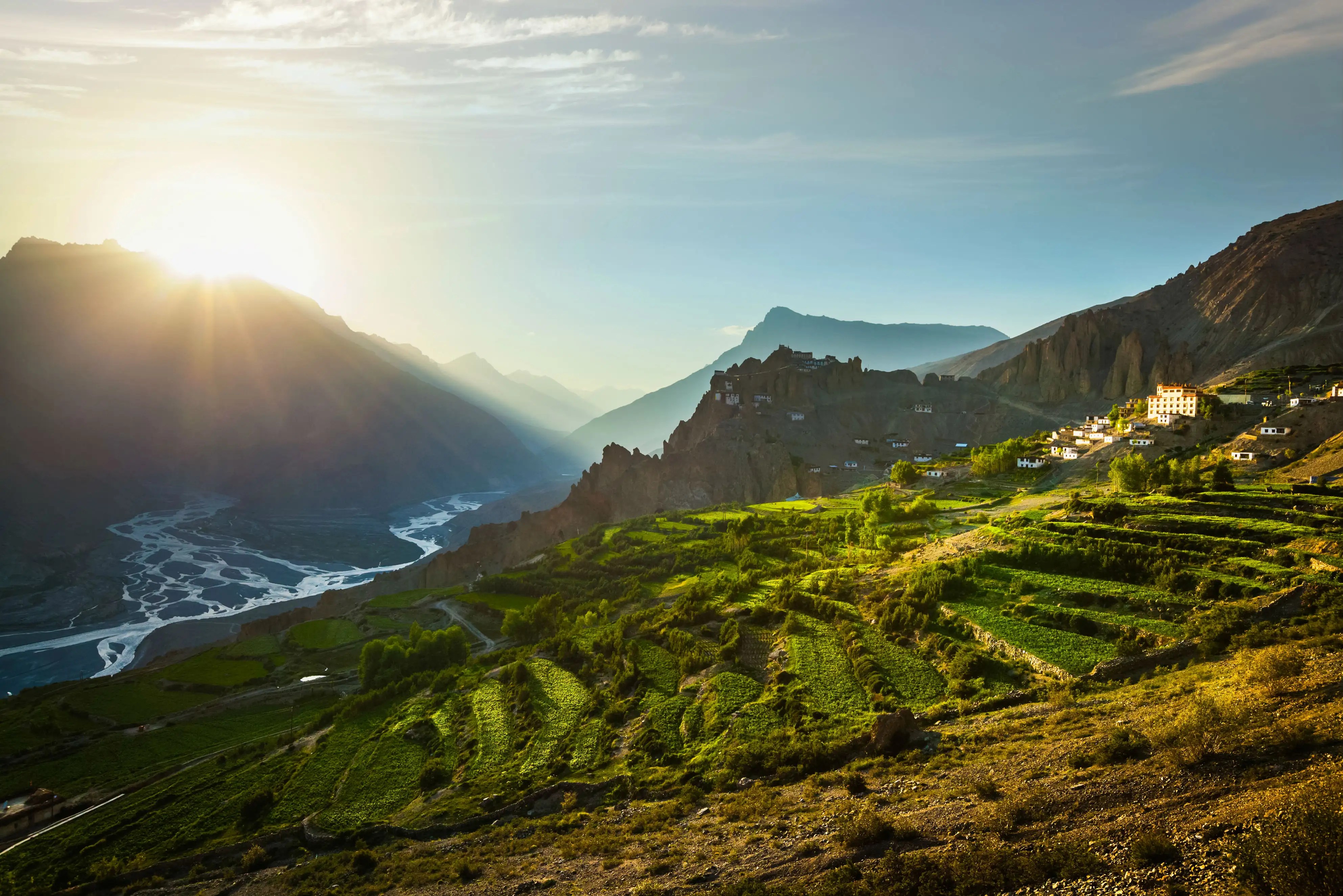
The Serene Spiti Valley: A High-Altitude Desert Paradise
Spiti, with its stark landscapes and ancient monasteries, offers a unique blend of cultural and natural attractions.
The Lush Valleys of Kinnaur: Apple Orchards and Ancient Temples
Kinnaur, known for its apple orchards and picturesque villages, offers a glimpse into the rich cultural heritage of the region.
The Tranquil Parvati Valley: Hot Springs and Himalayan Vistas
Parvati Valley, with its hot springs and scenic trails, is a haven for trekkers and nature lovers.
The Biodiverse Great Himalayan National Park: A Wildlife Sanctuary
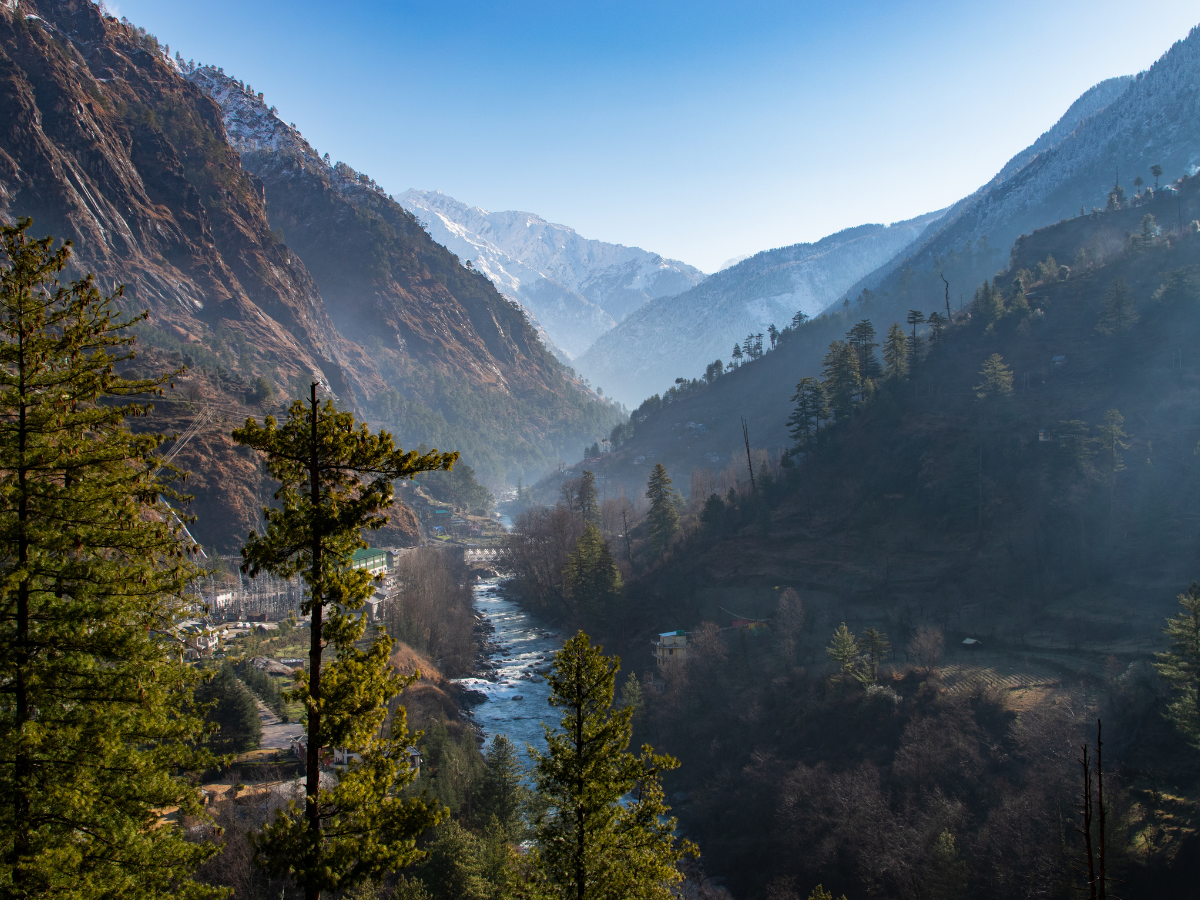
The Great Himalayan National Park, a UNESCO World Heritage Site, is home to a diverse array of flora and fauna.
The Charming Village of Malana: An Isolated Cultural Enclave
Malana, known for its unique culture and isolation, offers a fascinating glimpse into a traditional Himalayan community.
While eco-tourism holds immense potential for Himachal Pradesh, it also faces several challenges:
Infrastructure Development
Balancing infrastructure development with environmental protection is crucial.
Community Participation
Ensuring that local communities are actively involved in decision-making processes.
Environmental Protection
Addressing the increasing problem of plastic waste and pollution.
Marketing and Promotion
Promoting Himachal Pradesh as a leading eco-tourism destination.
The success of eco-tourism in Himachal Pradesh depends on the collaborative efforts of various stakeholders:
Government Agencies
Developing and implementing policies that promote sustainable tourism practices.
Local Communities
Actively participating in tourism planning and management processes.
Tour Operators and Travel Agencies
Promoting eco-friendly tour packages and itineraries.
Tourists
Choosing eco-friendly accommodation and transportation options.
Eco-tourism offers a promising pathway for Himachal Pradesh to achieve sustainable development while preserving its natural and cultural heritage. By embracing responsible tourism practices, the region can ensure that its pristine landscapes and vibrant communities continue to thrive for generations to come.
Technological Integration
Use of Apps to track tourist movement, and to provide educational information about the environment.
Education and Awareness
Implementing educational programs in schools and communities to promote environmental awareness.
Policy and Regulation
Strengthening environmental regulations and enforcement mechanisms.
By embracing a holistic approach to eco-tourism, Himachal Pradesh can create a model for sustainable tourism development in the Himalayas and beyond. The journey towards a greener and more responsible tourism sector requires continuous effort and collaboration, but the rewards—a healthy environment, empowered communities, and enriching travel experiences—are immeasurable.


